

Table of Contents - Hot Tub Safety Tips: Essential Rules for Safe Soaking
This blog post may contain affiliate links. As an Amazon Associate I earn from qualifying purchases.
A hot tub should be one of the most relaxing places in your home — and with the right knowledge, it absolutely can be. The U.S. Consumer Product Safety Commission (CPSC) confirms that hot tub water should never exceed 104°F (40°C), yet most soaking injuries happen because users simply didn’t know the rules.
Without clear guidelines, even a relaxing 30-minute soak can lead to overheating, lightheadedness, or a frustrating bout of hot tub folliculitis — risks that are almost entirely preventable. Understanding the specific numbers, thresholds, and demographic guidelines makes the difference between a therapeutic soak and a trip to urgent care.
In this guide, you’ll find the essential hot tub safety tips covering temperature controls, water chemistry, and specific rules for children, elderly users, and anyone with a health condition — so every soak is safe and enjoyable. The framework organizing all of it: three distinct safety layers covering physical precautions, water quality, and guidelines for high-risk groups.
Key Takeaways: Hot Tub Safety Tips
The CPSC sets the maximum safe hot tub temperature at 104°F (40°C) — and following The 3-Layer Safety System (Physical, Biological, Personal) prevents nearly all common hot tub injuries and infections.
- Limit soaks to 15–30 minutes to prevent overheating and hyperthermia
- Keep chlorine at ≥3 ppm and pH between 7.2–7.8 to prevent bacterial infections like Pseudomonas aeruginosa
- Never leave children unsupervised — even briefly — in or near a hot tub
- Elderly users and pregnant women should lower temperature to 98–100°F
- The 3-Layer Safety System covers Physical, Biological, and Personal Safety — ensuring no critical rule is ever overlooked
⚠️ Medical Disclaimer: The information in this guide is for educational purposes only and is not a substitute for professional medical advice. Always follow your hot tub manufacturer’s instructions and local safety codes. If you have a pre-existing health condition — including heart disease, high blood pressure, diabetes, pregnancy, or a compromised immune system — consult your doctor before using a hot tub.
Essential Hot Tub Safety Rules
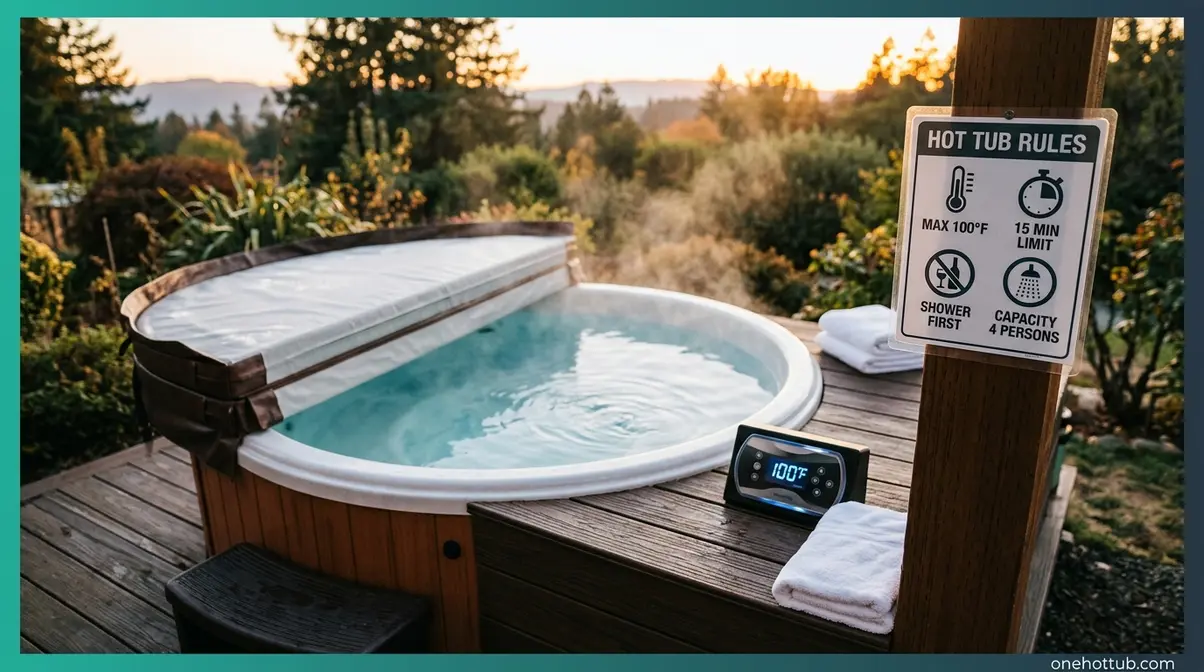
Safe hot tub use comes down to following specific, evidence-backed rules around temperature, time, and physical environment. Hot tub water should never exceed 104°F (40°C), and 100°F is considered the recommended safe temperature for healthy adults (CPSC). According to CPSC temperature guidelines, these thresholds have been established to prevent hyperthermia — a dangerous rise in core body temperature — and related cardiac events. Here are the core hot tub safety rules every owner needs to know:
- Limit water temperature to 104°F maximum
- Keep soaks to 15–30 minutes per session
- Never leave children unattended, even briefly
- Avoid alcohol before and during soaking
- Shower before entering the hot tub
- Secure the cover when not in use
- Stay out during lightning or electrical storms
This is Layer 1 of The 3-Layer Safety System — Physical Safety. It covers every rule related to temperature, time limits, environmental hazards, and behavioral precautions that protect your body from the immediate dangers of hot water immersion. For a broader overview of ownership best practices, consult our essential hot tub safety guide for owners.
Temperature and Time Limits
The most important number in hot tub safety is 104°F — but it’s not the number most users should aim for. According to CPSC temperature guidelines, 100°F is the recommended safe temperature for healthy adults, while 104°F is the absolute ceiling. Most competitors cite only the maximum, missing the critical nuance that the ceiling is not the target. For elderly users and pregnant women, that ceiling drops further to 98–100°F, because reduced cardiovascular response and thinner skin increase hyperthermia risk at temperatures that healthy adults tolerate comfortably.
Why do soak durations matter? In hot water, your body’s normal cooling mechanism — sweating — becomes largely ineffective because the humid, warm environment prevents evaporation. This causes your core temperature to rise steadily. Most guidance recommends 15–30 minutes as the safe window per session. If you feel dizzy, lightheaded, or nauseous, exit the hot tub immediately, cool down with room-temperature water, and rest before considering re-entry.
| User Group | Recommended Temp | Max Soak Duration |
|---|---|---|
| Healthy adults | 100–102°F | 30 minutes |
| Elderly (65+) | 98–100°F | 15–20 minutes |
| Pregnant women | 98–100°F | 10–15 minutes |
| Children (5–12) | 98–100°F | 5–10 minutes |
| Heart condition | Below 100°F | Consult doctor |
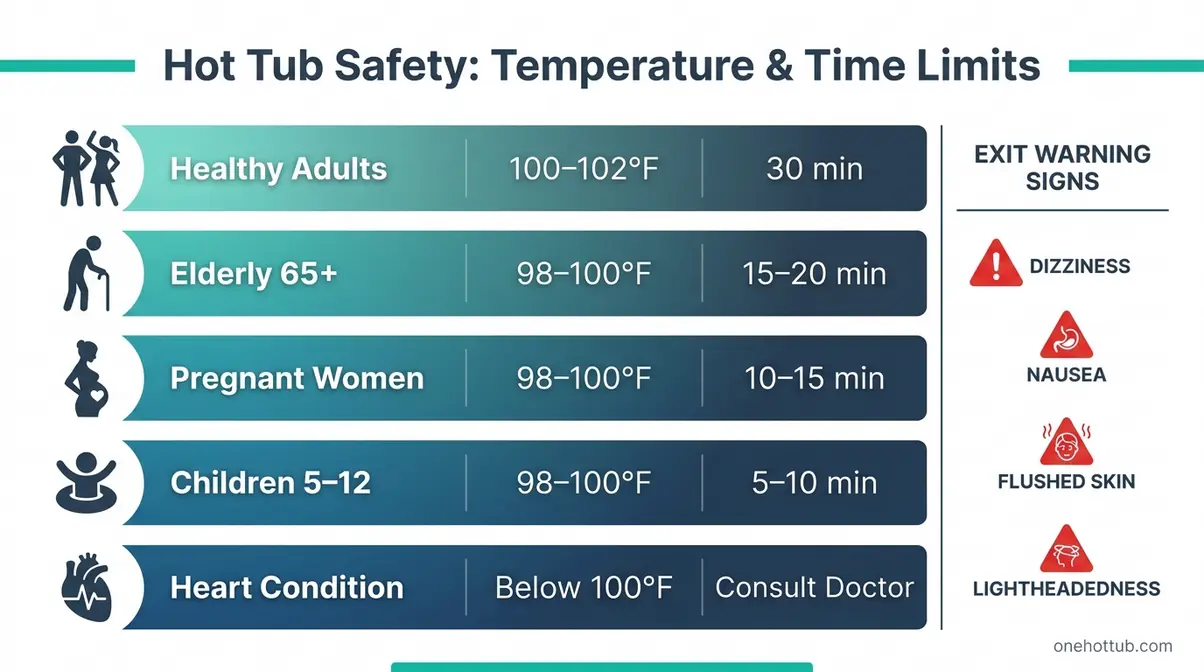
For a complete breakdown of safe soaking times at every temperature, see our guide on how long you can stay in a hot tub.
Preventing Slips and Drowning
Picture this: a relaxing evening soak, warm jets running, the cover just set aside — and then a wet foot on a slick deck surface. Slips and falls around hot tubs send thousands of people to emergency rooms each year, yet they’re almost entirely preventable with a few physical modifications and habits.
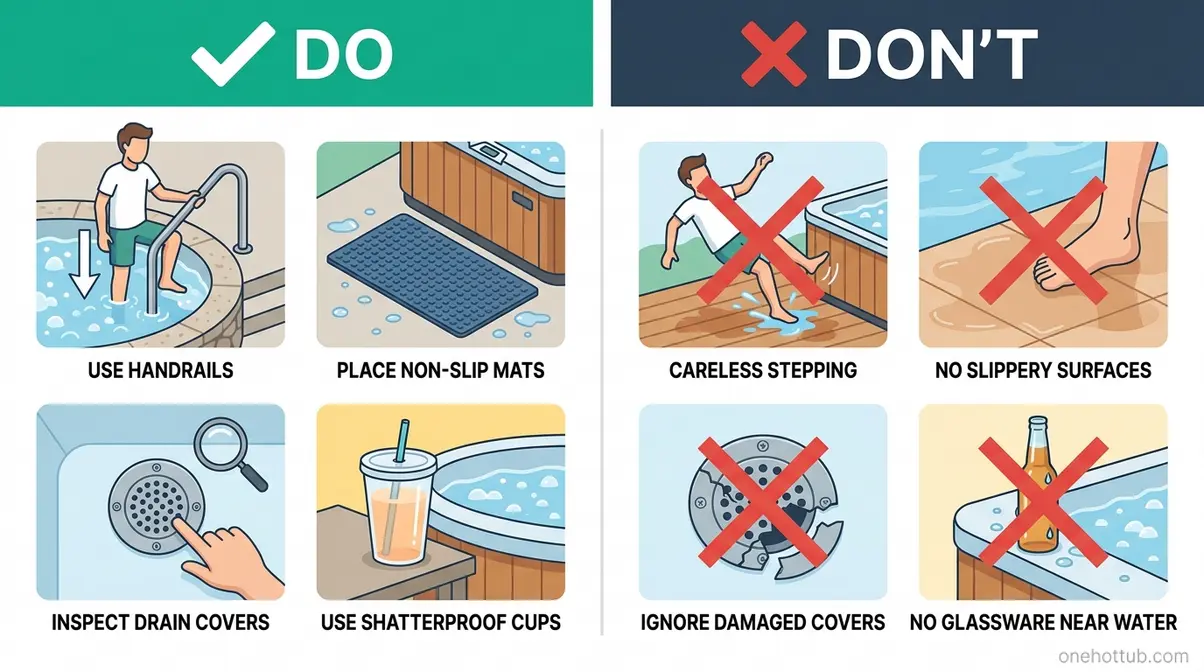
The PHTA (Pool & Hot Tub Alliance) identifies entrapment as one of the most serious and underreported hot tub hazards. Drain entrapment occurs when hair, jewelry, or body parts become caught in suction fittings — and the force can be powerful enough to hold an adult underwater. Inspect drain covers before every soak; if a cover is cracked, broken, or missing, do not use the tub until it is replaced.
Practical steps to reduce physical hazards:
- Install non-slip mats or textured decking around the hot tub perimeter
- Use the handrail when entering and exiting — never step directly from a dry surface to the wet shell
- Keep the area free of glass containers; use shatterproof cups only
- Tie back long hair before soaking to reduce entrapment risk at jets and drains
- Never submerge your head in a hot tub — the warm water creates conditions favorable to Naegleria fowleri, a rare but dangerous brain-eating amoeba found in warm fresh water, as noted in CDC guidance on warm water risks
- Know the location of the emergency shutoff for the pump before your first soak
Electrical and Weather Safety
A 2026 review published in PMC noted that sudden deaths in hot tubs are disproportionately linked to a combination of factors — including cardiovascular stress and environmental hazards (PMC, 2026). Electrical safety is among the most serious of those environmental risks. Hot tubs operate on high-voltage circuits, and water is an excellent electrical conductor.
Follow these non-negotiable electrical and weather rules:
- Never use a hot tub during a thunderstorm — exit immediately at the first sign of lightning, even if the storm appears distant
- Keep all electrical outlets, extension cords, and portable electronics at least 5 feet from the water’s edge
- Ensure your tub is connected to a GFCI (Ground Fault Circuit Interrupter) outlet — this device cuts power within milliseconds of detecting a fault and is required by most local electrical codes
- Schedule annual professional inspections of wiring, bonding, and grounding systems
- Never attempt electrical repairs yourself — always use a licensed electrician familiar with spa and pool wiring
Across hot tub owner communities, the consistent concern is that GFCI protection is often overlooked during installation. Confirm with your electrician that the circuit serving your hot tub includes this protection before the first use.
Alcohol and Medication Risks
Hot water causes vasodilation — the widening of blood vessels — which lowers blood pressure and increases heart rate. Alcohol amplifies both effects simultaneously. Combining alcohol with hot tub use significantly raises the risk of sudden hypotension (blood pressure drop), fainting, and in worst-case scenarios, drowning. The CPSC explicitly warns against alcohol consumption before and during hot tub use.
Certain medications also interact dangerously with hot water immersion. These include:
- Antihypertensives (blood pressure medications) — amplify the blood pressure-lowering effect of heat
- Sedatives, sleep aids, and antihistamines — increase drowsiness risk
- Diuretics — accelerate dehydration in an already dehydrating environment
- Anticoagulants (blood thinners) — heat can increase bleeding risk
If you take any prescription medication, consult your doctor or pharmacist before using a hot tub regularly. Dehydration is another underestimated risk — drink at least one glass of water before soaking, and avoid caffeine for an hour beforehand.
Maintaining Water Quality to Prevent Infections
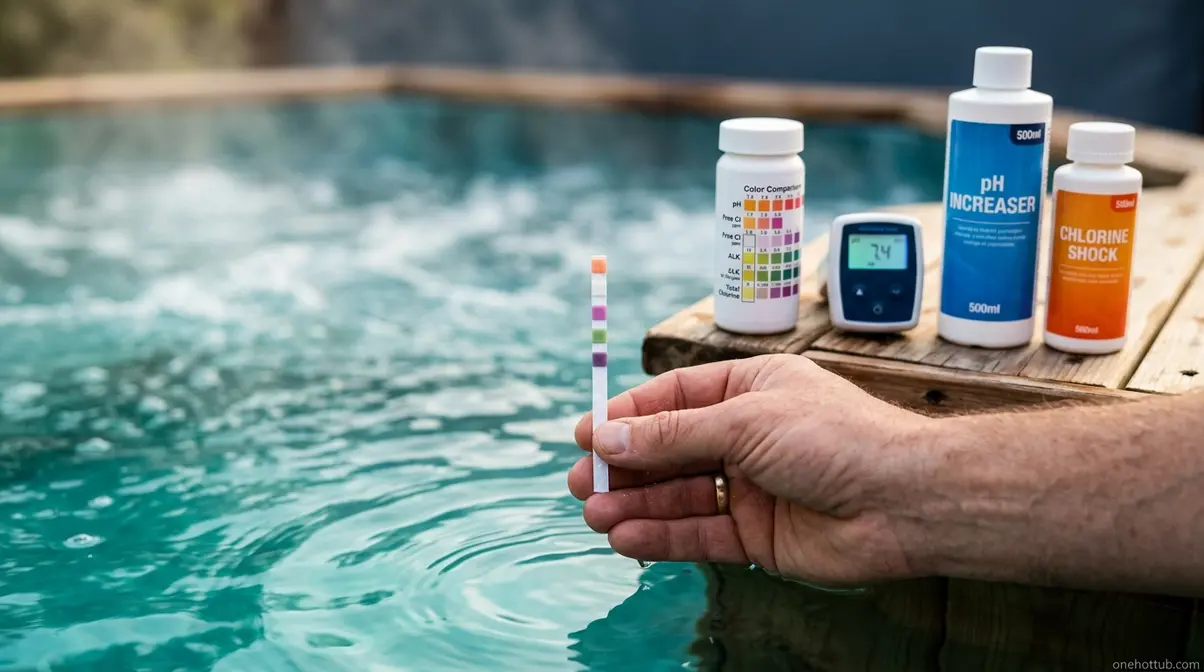
Layer 2 of The 3-Layer Safety System is Biological Safety — protecting your body from the bacteria, fungi, and pathogens that thrive in warm, chemically unbalanced water. According to the CDC, hotel pools and hot tubs are the source of approximately one-third of all treated recreational water-associated disease outbreaks (CDC MMWR, 2026). Proper water chemistry is your primary defense.
Balancing Hot Tub Chemistry
Hot tub water chemistry is the single most controllable factor in preventing waterborne infections. The CDC recommends specific disinfectant and pH ranges for hot tubs that differ from standard swimming pool targets — because higher water temperatures accelerate chemical breakdown and bacterial growth.
| Parameter | Ideal Range | Action Required If Outside Range |
|---|---|---|
| Free chlorine | 3–10 ppm | Below 3 ppm: shock treat; above 10 ppm: wait before soaking |
| Bromine | 4–8 ppm | Below 4 ppm: add bromine; above 8 ppm: ventilate and wait |
| pH | 7.2–7.8 | Below 7.2: add pH increaser; above 7.8: add pH decreaser |
| Total alkalinity | 80–120 ppm | Adjust before correcting pH |
| Water temperature | ≤104°F | Reduce if above threshold |
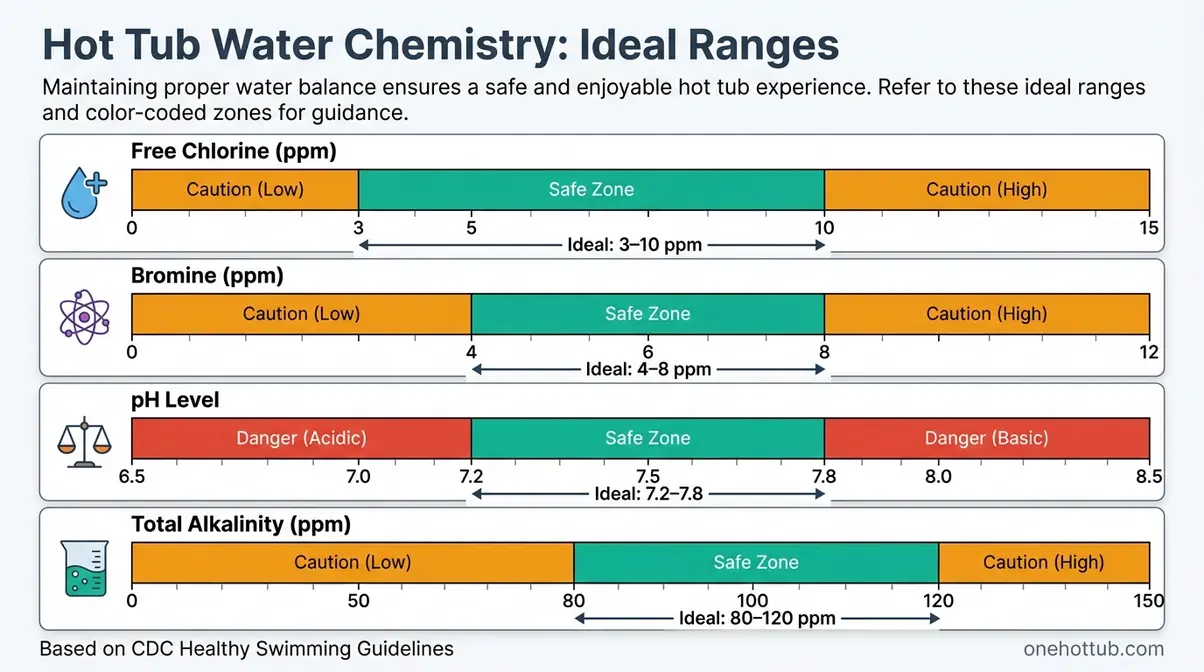
Test your water at least 2–3 times per week using test strips or a digital tester, and always test before soaking if the tub has been unused for several days. The CDC’s healthy swimming guidance recommends checking disinfectant levels and pH every time before you enter. If the water looks cloudy, smells strongly of chemicals, or feels slimy, do not soak — these are warning signs of imbalanced chemistry or bacterial growth. Getting your hot tub crystal clear requires consistent testing, not reactive treatment.
For a deeper look at balancing your water, see our guide on hot tub water maintenance everything you need to know.
Are Hot Tubs Bad for Folliculitis?
Hot tub folliculitis — a skin infection of the hair follicles caused by Pseudomonas aeruginosa bacteria — is the most common infection associated with hot tub use. The bacterium thrives in warm water where disinfectant levels have dropped, often because heat accelerates chlorine breakdown faster than users expect. According to CDC prevention guidance, the rash typically appears 12–48 hours after exposure as red, itchy bumps or pustules, most commonly on the trunk, buttocks, and areas covered by a swimsuit.
Not everyone who uses an inadequately disinfected hot tub develops folliculitis. Individual susceptibility factors include:
- Swimsuit material — synthetic fabrics trap bacteria against the skin longer
- Soak duration — longer exposure increases bacterial load on the skin
- Skin integrity — any minor cuts, shaving irritation, or open follicles increase entry points
- Immune status — immunocompromised individuals face higher risk
Prevention is straightforward: maintain chlorine at ≥3 ppm, shower with soap immediately after soaking, and wash your swimsuit after every use. Most cases of hot tub folliculitis resolve without treatment within 7–10 days. However, if the rash spreads, develops pus, or is accompanied by fever, consult a doctor — P. aeruginosa can occasionally cause more serious infections, particularly in individuals with compromised immune systems. For a deeper dive into treatment, see our comprehensive guide on hot tub folliculitis.
Hotel pools and hot tubs account for roughly one-third of treated recreational water disease outbreaks (CDC MMWR, 2026) — a statistic that underscores why checking water quality before using any public facility is non-negotiable.
Hot Tub Lung and Illness Risks
Hot tub lung is a form of hypersensitivity pneumonitis — an inflammatory lung condition — triggered by inhaling aerosols from hot tubs contaminated with Mycobacterium avium complex (MAC) and other non-tuberculous mycobacteria. It is not an infection in the traditional sense; rather, the lungs mount an immune response to the inhaled droplets. Symptoms typically include persistent cough, progressive shortness of breath, fatigue, fever, and chills — often appearing 4–12 hours after exposure and worsening with repeated use (NIH/PMC, 2017).
Hot tub lung is rare but frequently misdiagnosed because its symptoms mimic flu or pneumonia. The key risk factor is indoor hot tub use with poor ventilation — aerosols concentrate in enclosed spaces. If you use an indoor tub, ensure adequate ventilation and clean the tub shell and jets regularly to prevent biofilm buildup. According to the Pulmonary Fibrosis Foundation, removing the source of exposure typically leads to near-complete recovery.
Beyond folliculitis and hot tub lung, two additional biological risks deserve attention:
- Legionella — the bacteria responsible for Legionnaires’ disease — can colonize hot tubs when water temperatures drop into the 77–108°F range and disinfectant levels are low. Consult your doctor immediately if you develop pneumonia-like symptoms within two weeks of hot tub use.
- Naegleria fowleri — while extremely rare in properly maintained private hot tubs, this amoeba can cause fatal brain infection if contaminated water enters the nose. Never submerge your head.
Pre- and Post-Soak Hygiene Habits
Showering before entering a hot tub is not merely courteous — it is a meaningful public health measure. Body oils, lotions, sunscreen, cosmetics, and sweat all react with disinfectants, consuming chlorine or bromine and generating disinfection byproducts (DBPs). A single person entering without showering can reduce effective chlorine levels measurably within minutes, particularly in a small-volume hot tub.
Follow this hygiene routine for every soak:
- Before soaking: Shower with soap and water; remove all makeup and heavy lotions; remove jewelry that could snag drain covers
- During soaking: Avoid submerging the face; keep hair tied back; limit session to 15–30 minutes
- After soaking: Shower immediately with soap; wash your swimsuit; rehydrate with water
- For public hot tubs: Visually inspect the water (clarity, odor) and check the posted inspection record before entering
One community-validated tip: tossing a clean tennis ball into the water between soaks can help absorb surface body oils and reduce scum line buildup — the felt exterior is absorbent enough to pick up oils visibly. It is not a substitute for proper chemistry, but it is a useful supplementary measure between filter cycles. See our full guide to hot tub maintenance and cleaning routines for a complete schedule.
Safety Rules for High-Risk Groups

The third layer of The 3-Layer Safety System is Personal Safety — demographic-specific guidelines that recognize not all users face the same risks. Children overheat faster than adults. Elderly users have reduced cardiovascular reserve. Pregnant women face unique fetal risks from elevated core temperature. Understanding these distinctions is what separates a genuinely safe soaking environment from one that follows only the general rules.
Child Safety and Supervision
According to the CPSC, drowning is the primary hazard associated with hot tubs for children — and the risk is highest for children under age five, who accounted for 80% of non-pool drowning deaths in a CPSC analysis of infant and toddler fatalities (CPSC, 2007). Hair entrapment in drain suction fittings and jet openings is a separate, serious hazard that has caused fatalities in older children.
“Never leave children unattended in or around a hot tub, even for a moment.”
The PHTA’s hot tub safety guidelines recommend that children under five years old should not use hot tubs at all. For children aged 5–12, the following rules apply:
- Temperature: Keep water at or below 98–100°F — children’s thinner skin and less-developed thermoregulation mean they overheat faster
- Duration: Limit sessions to 5–10 minutes maximum
- Supervision: An adult must be within arm’s reach at all times — not simply nearby
- Hair: Tie back all long hair; keep it away from drain covers and jets
- No breath-holding games: These can trigger shallow-water blackout, even in shallow water
Always lock the hot tub cover with a child-resistant lock when not in use. A four-sided isolation fence reduces drowning risk by 83% compared to three-sided property-line fencing (American Red Cross).
Elderly and Pregnant Users
For elderly users, the recommended temperature range is 98–100°F — not the 104°F maximum that healthy adults can tolerate. Age-related changes in cardiovascular function, reduced thermoregulation efficiency, and a higher prevalence of medications that interact with heat all lower the safe threshold. Sessions should be limited to 15–20 minutes, and a companion should always be present.
Pregnant women should consult their OB-GYN before any hot tub use, particularly in the first trimester. Elevating core body temperature above 102°F during early pregnancy has been associated with neural tube defects in research reviewed by the American College of Obstetricians and Gynecologists. If use is approved, keep temperatures at 98–100°F and limit sessions to 10 minutes. For postpartum questions, review our rules for using hot tubs and breastfeeding.
For individuals with heart disease, high blood pressure, or diabetes: The vasodilation caused by hot water immersion places additional demand on the cardiovascular system. The AARP’s guidance on hot tubs and health recommends that anyone with a diagnosed cardiovascular condition consult their cardiologist before regular hot tub use. Lower temperatures (below 100°F) and shorter sessions are generally better tolerated. If you have diabetes, read our specific guide on whether type 1 diabetics can go in hot tubs. Exit immediately if you experience chest tightness, palpitations, or unusual shortness of breath.
Public Hot Tub Safety Checks
Public hot tubs — at hotels, gyms, and spas — carry higher biological safety risk than private home units because they serve many users and may not be monitored continuously. Before entering any public hot tub, perform a quick inspection:
- Check the water clarity — it should be clear, not cloudy or foamy
- Smell the water — a strong chemical odor can indicate disinfection byproduct buildup from insufficient chlorine, not excess; properly balanced water has a mild, clean scent
- Ask for the inspection log — public facilities are typically required to post or provide recent water test results
- Inspect drain covers — cracked or missing covers are an entrapment hazard; alert staff and do not enter
- Check the posted maximum bather load — overcrowding rapidly depletes disinfectant and raises bacterial risk
If anything seems off, trust your judgment and skip the soak. The risk of a Pseudomonas skin infection or worse is not worth it. For more guidance on evaluating public facilities, see our article on public pool and hot tub safety checks.
Will a Hot Tub Help a Sciatic Nerve?
Hot tubs can provide meaningful symptom relief for sciatica and chronic lower back pain — but with important caveats. A 2026 meta-analysis published in Frontiers in Public Health (PMC, 2026) found that hot spring hydrotherapy significantly reduced chronic low back pain intensity and functional disability across 16 studies involving 1,656 participants. The mechanism is well understood: heat relaxes the muscles surrounding the sciatic nerve, warm water buoyancy reduces spinal compression, and improved circulation helps reduce localized inflammation.
- Practical guidance for sciatica relief:
- Set temperature to 98–102°F (lower than the maximum to allow longer sessions)
- Direct jets toward the lower back and piriformis area
- Limit sessions to 20–30 minutes; exit if pain acutely worsens
- Combine with gentle stretching before and after
Hot tub use is supportive therapy, not curative. If your sciatica is caused by a herniated disc or spinal stenosis, consult a physiotherapist or spine specialist before relying on hydrotherapy as a primary treatment.
Other common condition questions:
- Yeast infections: Hot tubs don’t directly cause yeast infections, but prolonged exposure to warm, moist conditions can disrupt vaginal flora. Change out of a wet swimsuit promptly after soaking.
- Skin conditions (eczema, psoriasis): Warm water and chemicals can irritate sensitive skin. Consult a dermatologist before regular use.
When to Skip the Hot Tub: Red Flags
Even the most well-maintained hot tub is the wrong choice in certain situations. Recognizing these red flags is a core part of using a hot tub responsibly.
Common Hot Tub Safety Mistakes to Avoid
Across hot tub owner communities, evaluating maintenance logs and reported incidents reveals the same mistakes appearing repeatedly. Avoiding them eliminates the majority of preventable risks:
- Soaking when ill or immunocompromised — even mild illnesses that compromise skin or respiratory health increase vulnerability to waterborne pathogens.
- Skipping pre-soak water testing — assuming the water is fine from a previous test is one of the most common causes of folliculitis outbreaks.
- Using the hot tub alone — particularly for elderly users or those with health conditions; always have someone nearby who can assist in an emergency.
- Ignoring the cover lock — an unsecured cover is a drowning hazard for children and animals.
- Soaking in extreme heat — using a hot tub on a very hot day (above 95°F ambient temperature) significantly reduces the body’s ability to dissipate heat; shorten sessions substantially.
- Mixing alcohol with a nighttime solo soak — this combination is implicated in a disproportionate share of hot tub fatalities documented in PMC forensic reviews (PMC, 2026).
Hot tub safety rules are most effective when they become habitual rather than checked occasionally. Post a laminated quick-reference card near the tub with temperature limits, maximum soak times, and emergency shutoff location.
When to Consult a Doctor Before You Soak
Consult your doctor before using a hot tub if any of the following apply:
- You have been diagnosed with heart disease, heart failure, or arrhythmia
- You have uncontrolled high blood pressure or recently changed blood pressure medication
- You are pregnant or trying to conceive
- You have diabetes with peripheral neuropathy (reduced ability to sense heat)
- You have a compromised immune system (cancer treatment, HIV, organ transplant medications)
- You have had a recent surgery, open wound, or active skin infection
- You take sedatives, sleep aids, muscle relaxants, or anticoagulants regularly
Additionally, exit the hot tub and seek medical attention if you experience chest pain, palpitations, sudden severe headache, confusion, loss of coordination, or difficulty breathing during or after a soak. These symptoms can indicate heat stroke, cardiac events, or the early stages of waterborne illness. The ROSPA water safety guidance recommends treating any post-soak respiratory symptoms lasting more than 48 hours as a potential indicator of hot tub lung or Legionella exposure. For additional context on recognizing and managing these conditions, see our resource on when hot tub use poses health risks.
Frequently Asked Questions
Why limit hot tub time to 15 mins?
The 15-minute guideline exists because hot water prevents your body from cooling itself efficiently. In a hot tub, ambient temperature and humidity block the evaporation of sweat — your body’s primary cooling mechanism — causing core temperature to rise continuously. After 15–30 minutes at temperatures above 100°F (CPSC), most people experience early signs of hyperthermia: dizziness, lightheadedness, nausea, and flushed skin. Healthy adults can extend this to 30 minutes at lower temperatures (100–102°F), but the 15-minute rule is the conservative, broadly safe standard recommended for all users, and mandatory for elderly individuals and children.
Why avoid putting your head underwater?
Submerging your head in a hot tub poses two distinct risks: entrapment and rare but deadly amoeba infection. Hair can become caught in suction drain fittings with enough force to hold a person underwater — a documented cause of drowning in both adults and children. Additionally, warm fresh water environments can harbor Naegleria fowleri, an amoeba that enters through the nasal passages and can cause primary amebic meningoencephalitis, a condition with a fatality rate exceeding 97%, according to CDC guidance on warm water risks. While the risk in a properly maintained private hot tub is extremely low, the consequence is severe enough to make head submersion a firm safety no.
Why put tennis balls in a hot tub?
Tennis balls are used in hot tubs to absorb surface oils — body oils, lotions, sunscreen, and cosmetics — that float on the water and reduce disinfectant effectiveness. The fuzzy felt exterior of a tennis ball is surprisingly absorbent for oily substances; you can see the ball darken visibly as it saturates. Floating one or two clean tennis balls between soaks helps reduce scum line buildup and foam formation, and may extend the effective life of your filter cycle. Replace them when visibly saturated. Tennis balls are a supplementary measure, not a substitute for proper filtration, regular water testing, and maintaining correct chemical levels.
Conclusion
For hot tub owners and users, safe soaking is not complicated — but it does require knowing the specific numbers. Hot tub water should never exceed 104°F (40°C), and 100°F is the recommended target for healthy adults (CPSC). Hotel pools and hot tubs account for roughly one-third of treated recreational water-associated outbreaks (CDC MMWR, 2026), which confirms that water chemistry maintenance is not optional. The safest approach combines consistent temperature control, regular chemical testing, and demographic-specific guidelines for children, elderly users, and anyone with a health condition.
The 3-Layer Safety System — Physical, Biological, and Personal Safety — exists precisely because hot tub risks do not fall into a single category. A perfectly maintained hot tub can still cause injury if temperature limits are ignored. Chemically balanced water cannot protect a child who is left unsupervised. No single rule covers every scenario, but the three-layer framework ensures nothing critical is overlooked. Apply it consistently and you have addressed the overwhelming majority of preventable hot tub hazards.
Start with the basics this week: test your water chemistry, confirm your temperature setting, and check that your cover lock is functional. If you have a health condition, schedule a conversation with your doctor before your next soak. Applying these hot tub safety tips systematically — rather than occasionally — is what transforms a hot tub from a potential liability into the therapeutic asset it was designed to be.