
What’s in this guide
⚠️ Medical Disclaimer: This article is for informational purposes only and does not constitute medical advice. The time limits provided are general guidelines based on publicly available health authority recommendations. Always consult your doctor before using a hot tub if you have a pre-existing health condition, are pregnant, or are supervising children or elderly individuals.
Medically Reviewed as of May 2026 — Recommend securing review by a licensed physician or physical therapist before publication.
You’ve probably seen it yourself — a website confidently declaring “stay in your hot tub no longer than 15 minutes” with zero explanation of why, or whether that rule changes at different temperatures.
“Hey, curious about how much time you guys spend in a hot tub session? I like my tub hot — 104 degrees — and read a site online that says up to 15 min. Would like to know more…”
That question — how long can you stay in a hot tub — has a real answer. And it’s more specific than “15 minutes.” Generic advice doesn’t account for your water temperature, your age, or whether you have a heart condition — and getting it wrong can mean dizziness, dehydration, or worse. By the end of this guide, you’ll know the exact safe soaking time for every temperature from 95°F to 104°F, plus specific guidelines for children, seniors, and pregnant individuals — all backed by CDC and CPSC recommendations. We’ll cover safe time limits first, then health effects, maintenance basics, and finally a full FAQ.
Most healthy adults can safely stay in a hot tub for 15–30 minutes at 104°F (40°C) — the maximum temperature recommended by the U.S. Consumer Product Safety Commission (CPSC).
- Temperature matters: Cooler water (95–100°F) allows sessions of up to 45 minutes for healthy adults
- The Safe Soaking Matrix: Time limits vary by temperature AND user type — children and pregnant individuals have much shorter limits
- Warning signs: Dizziness, nausea, or rapid heart rate mean exit immediately — no exceptions
- Maintenance counts: Water chemistry (chlorine levels) directly affects how safe your soak is
How Long Can You Stay in a Hot Tub? Time Limits by Temperature
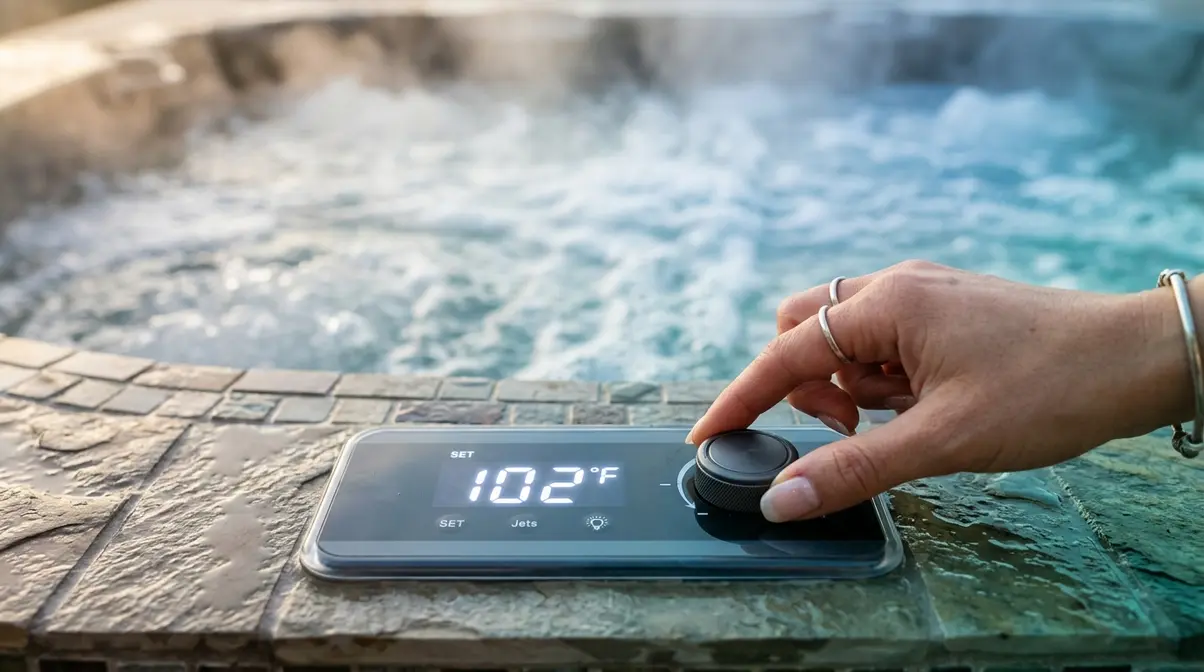
The answer depends on two things most online guides ignore: the actual water temperature and who is doing the soaking. According to the U.S. Consumer Product Safety Commission (CPSC), hot tubs should never exceed 104°F (40°C), and healthy adults should limit sessions at that maximum temperature to around 15 minutes. The good news is that cooler water extends your safe window considerably — and that’s exactly what the Safe Soaking Matrix below maps out.
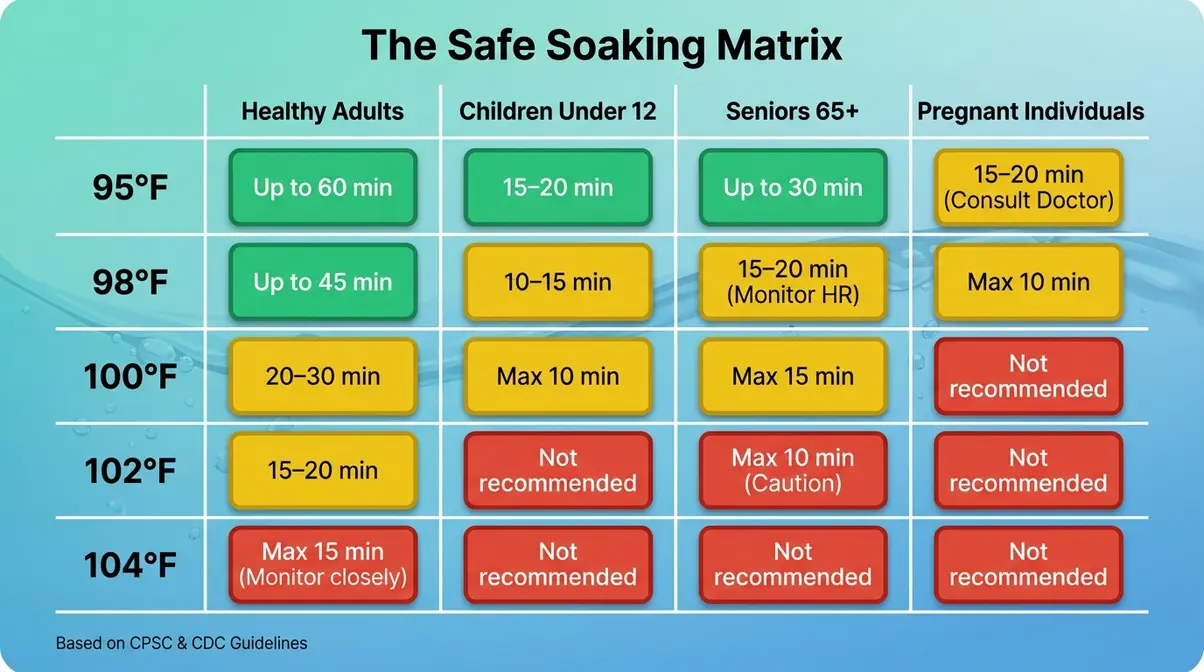
The Safe Soaking Matrix: Time Limits from 95°F to 104°F

The Safe Soaking Matrix is a temperature-indexed, user-type guide to safe soaking duration — replacing the one-size-fits-all “15-minute rule” with limits grounded in physiological principles and CPSC guidance. Your body core temperature begins rising within minutes of entering hot water. The higher the water temperature, the faster that rise occurs. Staying in too long at too high a temperature risks hyperthermia (dangerously elevated core body temperature), which can cause disorientation, fainting, or cardiac stress.
Here’s what safe soaking looks like across the common hot tub temperature range:
| Water Temp | Healthy Adults | Children (under 12) | Seniors (65+) | Pregnant Individuals |
|---|---|---|---|---|
| 95°F (35°C) | Up to 45 min | 20–30 min | 20–30 min | Up to 30 min* |
| 98°F (37°C) | Up to 40 min | 15–20 min | 15–20 min | Up to 20 min* |
| 100°F (38°C) | Up to 30 min | 10–15 min | 10–15 min | 10 min max* |
| 102°F (39°C) | Up to 20 min | Not recommended | 10 min max | Not recommended* |
| 104°F (40°C) | 15 min max | Not recommended | Not recommended | Not recommended* |
\Pregnant individuals: consult your doctor before any hot tub use regardless of temperature.*
These limits assume you are hydrated, not consuming alcohol, and are in good general health. If you’ve been soaking and the water has “cooled too much” — say, dropped below 95°F — it’s generally safe to remain longer, though comfort rather than safety becomes the limiting factor.
Safe Soaking Times for Children
Children are significantly more vulnerable to heat stress than adults because their bodies heat up faster and regulate temperature less efficiently. The CPSC specifically warns that children should not use hot tubs set at adult temperatures. For children under 12, the safe soaking guidelines are:
- Water at 95–98°F: Maximum 15–20 minutes, with a supervising adult present at all times
- Water above 100°F: Not recommended for young children
- Infants and toddlers under 5: Should not use hot tubs at all, per CPSC guidance
Always ensure children keep their heads, necks, and upper chests above water. Sitting on the steps or a raised seat — rather than submerging to shoulder depth — reduces heat exposure meaningfully. Set a timer; children often don’t notice the warning signs of overheating until it’s too late.
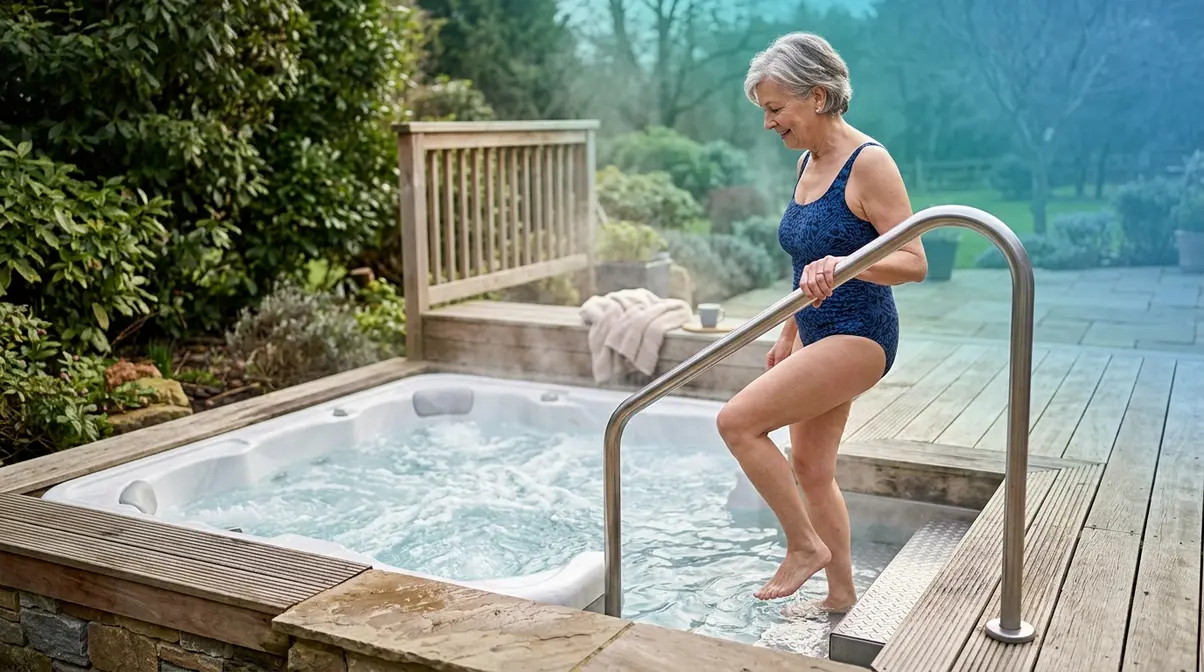
Safe Soaking Times for Seniors
Adults over 65 face a dual risk: their cardiovascular systems are often less able to manage the vasodilation (widening of blood vessels) that hot water causes, and some medications common in this age group — including diuretics and blood pressure drugs — amplify the risk of dehydration and dizziness. Research highlighted by Harvard Medical School notes that while regular warm-water immersion can have cardiovascular benefits for healthy older adults, those with existing heart conditions need careful monitoring.
For seniors, onehottub.com advises keeping sessions to 10–20 minutes at temperatures no higher than 100°F, always entering and exiting slowly to avoid sudden blood pressure changes, and never soaking alone.
Hot Tub Safety During Pregnancy
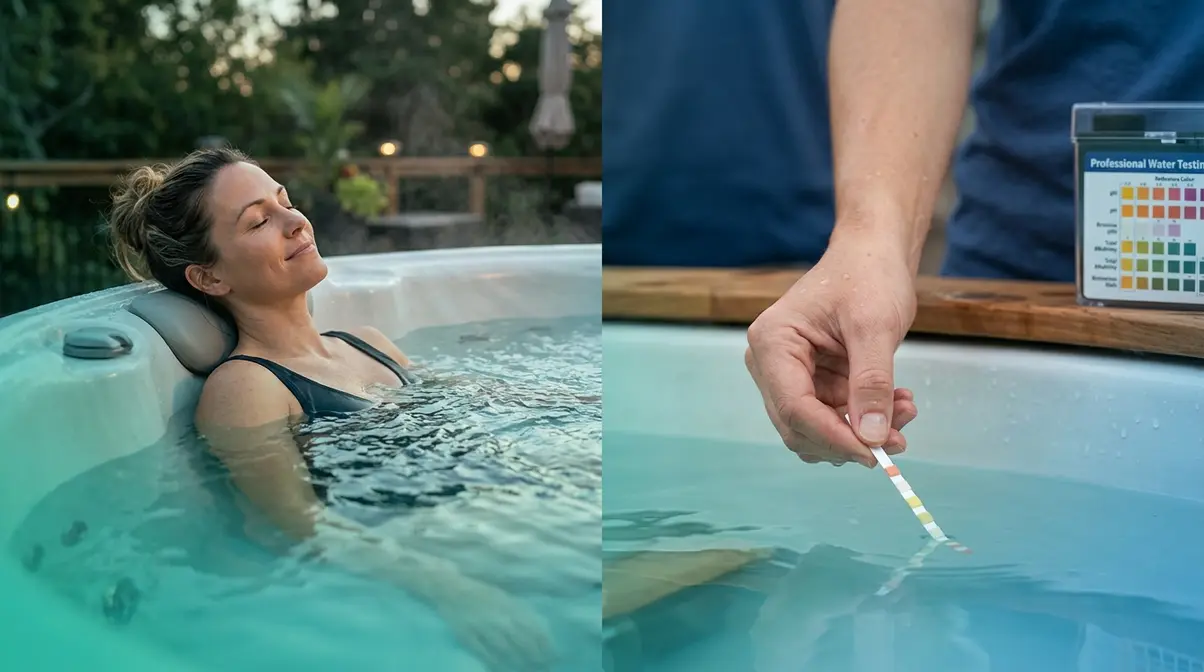
This section carries the most serious YMYL weight in this article. The Mayo Clinic advises pregnant women to avoid hot tubs because raising core body temperature above 101°F (38.3°C) — especially during the first trimester — is linked to neural tube defects. Even a short session at 104°F can push core temperature to unsafe levels within 10 minutes.
The core recommendation: avoid hot tubs during pregnancy, particularly in the first trimester. If your doctor clears limited use, restrict sessions to water no warmer than 95°F, limit time to under 10 minutes, and exit immediately if you feel warm, faint, or uncomfortable. Always consult your doctor before any hot tub use during pregnancy.
Warning Signs You Must Exit Immediately
Knowing when to get out is just as important as knowing how long to stay in. The following symptoms indicate your body is overheating or under stress — exit the tub immediately if you experience any of them:
- Dizziness or lightheadedness — a primary sign of heat stress or blood pressure drop
- Nausea — your body signaling core temperature overload
- Rapid or irregular heartbeat — heat causes vasodilation, which can strain the heart
- Excessive sweating on your face — your cooling system is working overtime
- Confusion or difficulty concentrating — a warning sign of early hyperthermia
- Skin that looks unusually red — beyond normal flush, this signals significant heat absorption
- Muscle cramps — often a sign of dehydration combined with heat
!(https://pub-8ce7ac24839649d585b239b4a6127843.r2.dev/images/how-long-can-you-stay-in-a-hot-tub__2840__en/hot-tub-overheating-warning-signs.webp)
Recognizing overheating symptoms early prevents serious heat illness — exit the tub at the first sign of any of these seven warning signals.
If you experience dizziness after exiting, sit on the pool deck immediately, drink cold water, and apply a cool towel to your neck. Seek medical attention if symptoms persist beyond a few minutes.
Smart Tips for Longer, Safer Sessions
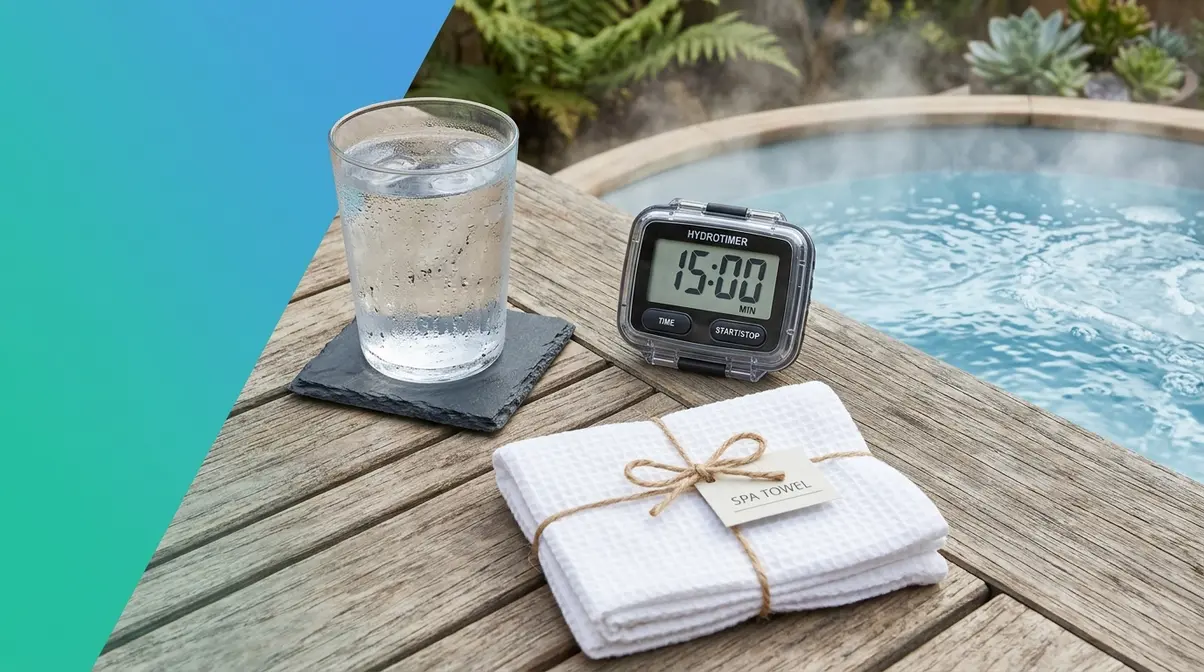
You don’t have to cut sessions short — you just need to soak smarter. Based on guidance from the CPSC and CDC, the team at onehottub.com recommends these strategies to extend your safe soaking time:
- Turn temps down. Soaking at 100°F instead of 104°F can double your safe session window. If you want to “keep soaking,” this is the single most effective adjustment.
- Hydrate before and during. Drink a full glass of water before entering. Keep a water bottle within reach — hot water accelerates fluid loss through perspiration.
- Take cool-down breaks. Exit every 15–20 minutes, rest for 5 minutes, then re-enter. This allows your core temperature to drop before it reaches a dangerous threshold.
- Avoid alcohol. Alcohol impairs your body’s ability to regulate temperature and masks the warning signs of overheating. The CPSC links a significant portion of hot tub-related fatalities to alcohol use.
- Keep your head and shoulders out of the water when possible — your head and neck radiate heat most efficiently, and keeping them exposed helps regulate core temperature.
- Never soak alone if you’re a first-time user, elderly, or have any health condition.
Hot Tub Health Benefits and Risks You Should Know
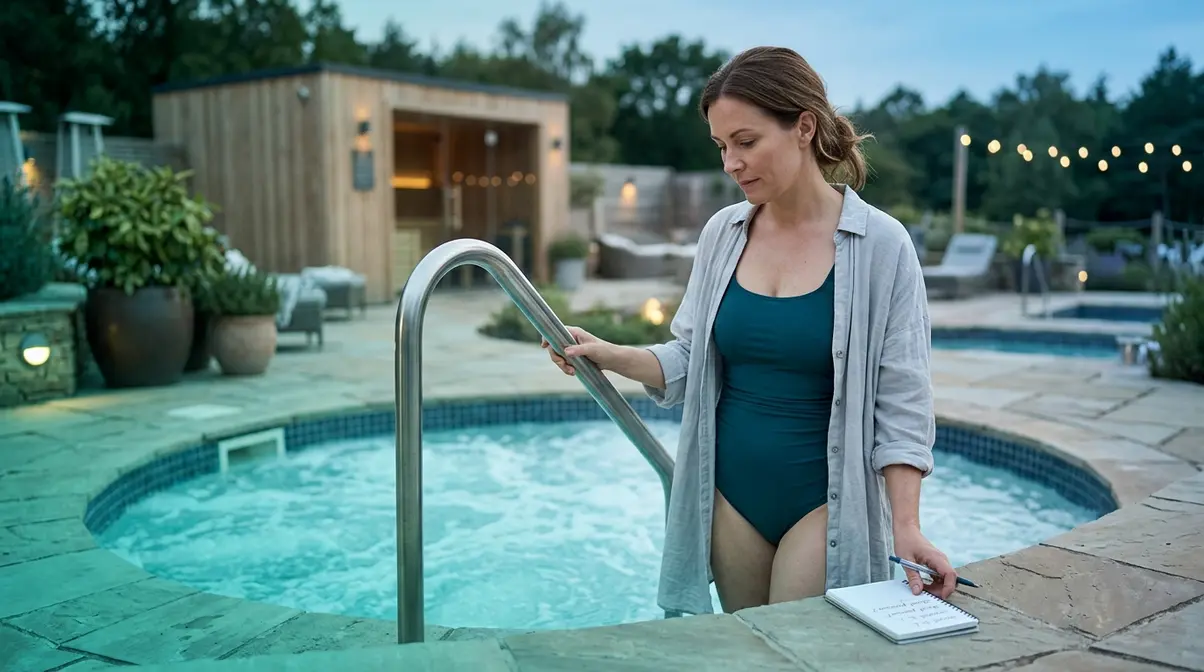
Hot tubs offer genuine therapeutic benefits — but they come with real risks that deserve honest coverage. Understanding both sides helps you soak with confidence rather than anxiety. As the Arthritis Foundation notes, warm water therapy has well-documented benefits for joint pain and mobility — while poorly maintained water carries bacterial risks that are entirely preventable.
Can Hot Tubs Relieve Muscle Pain?
Yes — with important nuance. Warm water immersion promotes vasodilation, the widening of blood vessels, which increases blood flow to muscles and reduces tension. The Arthritis Foundation reports that warm water therapy can reduce pain and stiffness in people with musculoskeletal conditions, and research suggests sessions of 15–20 minutes at 98–102°F are most effective for muscle recovery. The heat also triggers the release of endorphins, contributing to the relaxed feeling many users describe after soaking. For post-exercise soreness specifically, waiting at least 24 hours after intense exercise before soaking can improve outcomes, as immediate heat application may worsen acute inflammation.
What Is Hot Tub Syndrome?
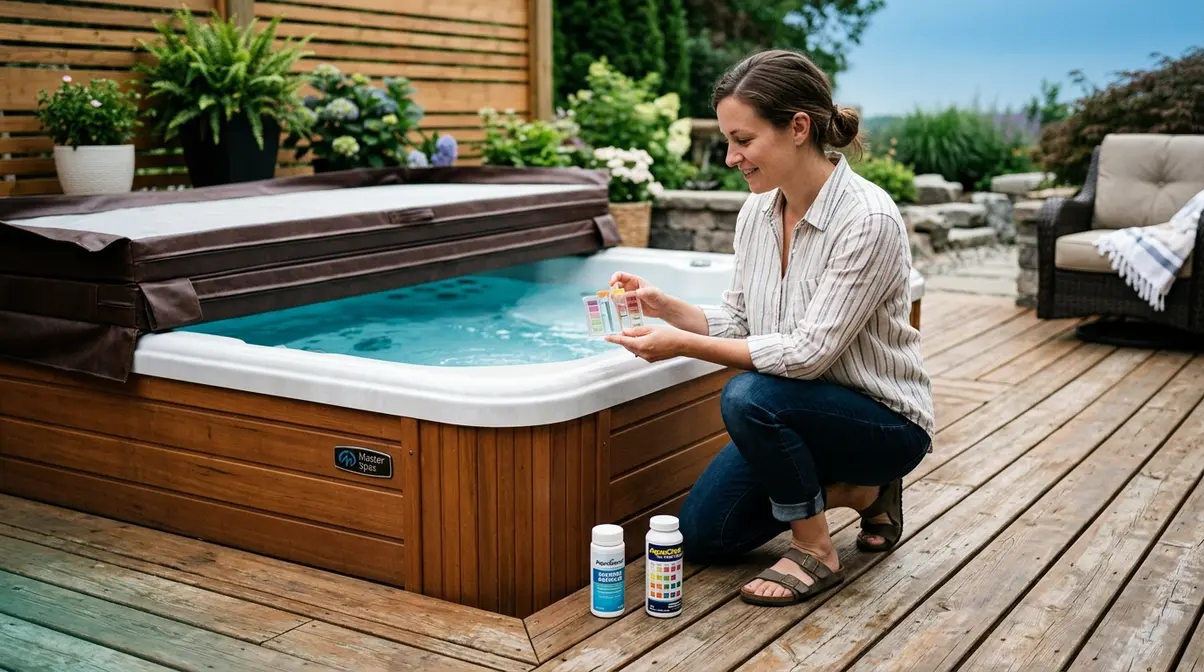
Hot tub syndrome (clinically known as hot tub folliculitis) is a skin infection caused by Pseudomonas aeruginosa, a bacteria that thrives in warm, under-chlorinated water. According to the CDC, symptoms typically appear 12–48 hours after exposure and include a bumpy red rash, itchy skin (the “itchy back” many users report), and sometimes pus-filled blisters — most commonly on areas covered by a swimsuit. The infection is not dangerous for healthy individuals and typically resolves within 7–10 days, but it signals a water chemistry problem that needs immediate correction. Maintaining proper chlorine levels (2–4 ppm, per CDC guidance) is the primary prevention.
Is a Hot Tub Good for Psoriatic Arthritis (PsA)?
For many people with psoriatic arthritis (PsA) — a condition combining joint inflammation with the skin condition psoriasis — warm water therapy can provide meaningful relief. The Arthritis Foundation’s warm water therapy guidance supports hydrotherapy for reducing joint stiffness and improving range of motion, both relevant to PsA. However, the skin component of PsA introduces a caution: harsh water chemistry (high chlorine or bromine) can irritate already-sensitive psoriatic skin. If you have PsA, onehottub.com advises keeping water temperature at 98–100°F rather than the maximum 104°F, limiting sessions to 15–20 minutes, and consulting your rheumatologist about whether hydrotherapy fits your treatment plan.
Do Hot Tubs Detox Your Body?
This is one of the most persistent hot tub myths, and it deserves a direct answer: hot tubs do not detox your body. Your liver and kidneys handle detoxification — sweating in hot water does not meaningfully accelerate the removal of toxins. What hot water immersion does do is promote circulation, reduce muscle tension, and support relaxation. These are legitimate benefits worth enjoying. Framing your soak as a “detox” sets incorrect expectations and can lead people to stay in longer than is safe, chasing a physiological effect that isn’t occurring.
Hot Tub Care When It’s Not in Use
How you maintain your hot tub when you’re not soaking directly affects how safe it is when you are. Poor maintenance creates the conditions for bacterial growth, chemical imbalance, and equipment damage — all of which undermine the safety guidelines above.
How Long Can You Leave a Hot Tub Empty?
A hot tub can be left empty safely for short periods — typically up to 2 weeks in mild weather — provided you clean the shell thoroughly before draining and before refilling. Leaving a hot tub empty for extended periods risks several problems:
- Shell cracking: Acrylic shells can develop stress cracks when exposed to temperature extremes without water to buffer them
- Seal and gasket drying: O-rings and pump seals can dry out and crack when not submerged
- Debris accumulation: An empty tub collects leaves, insects, and dirt that complicate the refill process
If you plan to leave your hot tub unused for more than a few weeks, consider a full winterization rather than simply draining it. For guidance on draining and refilling your hot tub properly, follow a step-by-step process that includes cleaning jets and surfaces before refilling.
How Long Can a Hot Tub Go Without Chlorine?
Without chlorine (or an alternative sanitizer like bromine), a hot tub becomes unsafe for use within 24–72 hours — and potentially sooner in warm weather. The CDC recommends maintaining chlorine levels between 2–4 ppm in hot tubs and testing chemistry at least twice per week. Warm water at hot tub temperatures is an ideal breeding environment for Pseudomonas aeruginosa and other pathogens. If you’ve been away and your hot tub chlorine levels have dropped, test before soaking — never assume the water is safe just because it looks clear.
Minimum safe chlorine levels:
| Sanitizer | Minimum | Ideal Range | Maximum |
|---|---|---|---|
| Chlorine | 1 ppm | 2–4 ppm | 5 ppm |
| Bromine | 2 ppm | 3–5 ppm | 8 ppm |
How Many Times Can You Shock a Hot Tub in a Day?
You can shock a hot tub once per day as a general maximum under normal circumstances — and once per week is sufficient for routine maintenance. Shocking means adding a concentrated dose of oxidizer (typically non-chlorine shock or chlorine shock) to break down organic waste and restore sanitizer effectiveness. Over-shocking raises chemical levels to potentially skin- and eye-irritating concentrations. If your hot tub has been heavily used, had an accident, or shows signs of algae or cloudiness, a single shock treatment followed by a retest after 24 hours is the appropriate response. For guidance on how to shock a hot tub correctly, follow the product instructions and always retest before re-entry.
When Hot Tub Use Becomes Risky: Limitations to Know
Even with the Safe Soaking Matrix in hand, there are situations where no time limit makes hot tub use safe. Honest acknowledgment of these limitations is part of responsible hot tub ownership.
Common Pitfalls When Soaking Too Long
The most frequent mistake hot tub users make is misjudging time. You’re relaxed, the jets feel good, and 30 minutes has passed before you realize it. Common consequences of soaking too long include:
- Dehydration: Hot water accelerates fluid loss. Many users don’t feel thirsty until they’re already mildly dehydrated, at which point dizziness and headache follow quickly.
- Post-soak fatigue: The vasodilation that makes soaking feel relaxing also drops blood pressure temporarily. Standing up too quickly after a long soak causes lightheadedness — a leading cause of hot tub-related falls.
- Skin irritation: Prolonged exposure to treated water strips natural skin oils, leading to dryness and the “itchy back” sensation many users report after longer sessions. Showering with fresh water immediately after soaking reduces this significantly.
When a Hot Tub Is Not Right for You
Certain conditions make hot tub use genuinely inadvisable without explicit medical clearance:
- Uncontrolled high blood pressure: The vasodilation caused by heat can cause sudden blood pressure drops, particularly dangerous for those on antihypertensive medications
- Recent surgery or open wounds: Hot water and chemical sanitizers create infection risk
- Active skin infections or rashes: Soaking can spread infection and worsen symptoms
- Fever: Adding external heat to an already-elevated core temperature is dangerous
- Certain medications: Sedatives, blood thinners, and some antidepressants interact poorly with heat stress — check with your pharmacist or doctor
For a comprehensive look at who should avoid hot tubs, including medication interactions, the full safety guide covers additional contraindications.
When to Seek Medical Advice
Consult your doctor before hot tub use if you have any of the following: cardiovascular disease, diabetes, epilepsy, kidney disease, or any condition requiring regular prescription medication. If you experience chest pain, prolonged dizziness, or skin infections following hot tub use, seek medical attention promptly — don’t wait to see if symptoms resolve on their own. For children with chronic health conditions, a pediatrician’s clearance is appropriate before any hot tub use.
Frequently Asked Questions
What happens if you’re in a hot tub for 3 hours?
Staying in a hot tub for 3 hours poses serious health risks, including severe dehydration, hyperthermia (dangerously elevated core body temperature), and significant cardiovascular strain. Extended sessions at temperatures above 100°F can raise your core temperature to dangerous levels within 30–45 minutes. Most healthy adults should limit sessions to 15–30 minutes at 104°F and no more than 45 minutes at lower temperatures. A 3-hour session at any hot tub temperature is not safe for any user type.
How long can I safely sit in a hot tub?
Most healthy adults can safely sit in a hot tub for 15–30 minutes at 104°F, the maximum temperature allowed by CPSC guidelines. At cooler temperatures — 95–100°F — sessions of 30–45 minutes are generally safe for healthy adults who are well-hydrated and not consuming alcohol. The Safe Soaking Matrix in this guide provides precise limits by temperature. Exit immediately if you feel dizzy, nauseous, or notice a rapid heartbeat.
Can hot tubs relieve muscle pain?
Yes, warm water immersion can relieve muscle pain through a mechanism called vasodilation — the widening of blood vessels that increases circulation to sore muscles. The Arthritis Foundation supports warm water therapy for musculoskeletal pain relief, noting improved range of motion and reduced stiffness. Sessions of 15–20 minutes at 98–102°F appear most effective for muscle recovery. For acute injuries (within the first 24–48 hours), cold therapy is generally more appropriate than heat.
Is a hot tub good for PsA?
A hot tub can provide meaningful relief for psoriatic arthritis (PsA) symptoms, particularly joint stiffness and limited range of motion. The Arthritis Foundation’s warm water therapy guidelines support hydrotherapy for inflammatory arthritis conditions. However, people with PsA should keep water temperatures at 98–100°F rather than 104°F and limit sessions to 15–20 minutes to avoid aggravating psoriatic skin. Consult your rheumatologist before incorporating regular hot tub use into your PsA management plan.
What is hot tub syndrome?
*Hot tub syndrome is a skin infection (hot tub folliculitis) caused by Pseudomonas aeruginosa***, a bacteria that multiplies rapidly in warm, under-sanitized water. According to the CDC, symptoms — including a red, bumpy rash and itchy skin — typically appear 12–48 hours after exposure. The condition usually resolves within 7–10 days without treatment in healthy individuals. Prevention is straightforward: maintain chlorine levels between 2–4 ppm and test your water at least twice per week.
How many times can you shock a hot tub in a day?
You should shock a hot tub no more than once per day, and once per week is sufficient for routine maintenance. Shocking more frequently than necessary raises chemical concentrations to skin- and eye-irritating levels. After any shock treatment, wait at least 24 hours and retest water chemistry before re-entering the tub. For heavily used tubs or after contamination events, a single shock followed by retesting is the appropriate protocol.
Do hot tubs detox your body?
Hot tubs do not detox your body — this is a persistent myth. Detoxification is performed by your liver and kidneys, not your skin. Sweating in warm water does not meaningfully accelerate the removal of metabolic waste or environmental toxins. Hot tubs do offer real benefits: improved circulation, muscle relaxation, and stress reduction. Enjoy these genuine effects without staying in longer than recommended in pursuit of a detox effect that physiology does not support.
Is it unhealthy to stay in a hot tub too long?
Yes — staying in a hot tub too long is genuinely unhealthy, not just uncomfortable. Prolonged exposure to hot water raises your core body temperature, causing dehydration, vasodilation-related blood pressure drops, and in serious cases, hyperthermia. The CPSC links a number of hot tub-related injuries and fatalities to extended sessions, often combined with alcohol. The safe approach: follow the temperature-specific time limits in the Safe Soaking Matrix, hydrate consistently, and take breaks every 15–20 minutes.
Soaking Smart Is Soaking Longer
Every hot tub session carries a simple equation: the higher the temperature, the shorter the safe window. For most healthy adults, that window is 15–30 minutes at 104°F — and up to 45 minutes at cooler settings around 95–100°F. The Safe Soaking Matrix in this guide gives you precise limits by temperature and user type, backed by CPSC and CDC recommendations, so you’re never guessing. Children, seniors, and pregnant individuals have significantly shorter safe limits, and anyone with a cardiovascular condition or active medication regimen should get medical clearance first.
The Safe Soaking Matrix isn’t about restricting your enjoyment — it’s about giving you the specific numbers that make every soak a confident one. Turn temps down when you want to stay in longer, hydrate before you enter, take cool-down breaks, and watch for the seven warning signs that mean it’s time to get out.
When you’re ready to go deeper on maintenance, water chemistry, or hot tub safety best practices, the full resource library at onehottub.com covers every aspect of responsible ownership. Start with the Safe Soaking Matrix today — and bring that timer to your next session.

David King
Hot tub tester and writer at One Hot Tub.