


Table of Contents - 7 Hot Tub Health Benefits Backed by Science (2026)
This blog post may contain affiliate links. As an Amazon Associate I earn from qualifying purchases.
⚠️ Medical Disclaimer: The information in this article is for educational purposes only and does not constitute medical advice. Always consult a qualified healthcare professional before beginning any hot tub therapy, particularly if you have a pre-existing condition such as cardiovascular disease, diabetes, pregnancy, or a skin disorder.
Hot tubs deliver more than relaxation — used deliberately, they can lower blood pressure, ease chronic joint pain, and improve sleep quality within weeks. A 2021 review published by the National Institutes of Health found that passive heat therapy can produce cardiovascular improvements comparable to moderate exercise — a finding that fundamentally changes how we should think about soaking.
Most advice on hot tub health benefits stops at vague reassurances like “reduces stress” or “helps muscles” without telling you how long to soak, at what temperature, or how often. That gap between research and real-world use is exactly what this guide closes. You’ll find 7 science-backed hot tub health benefits, the specific protocols that maximize each one, and the safety guidelines that matter — so you can soak with genuine confidence.
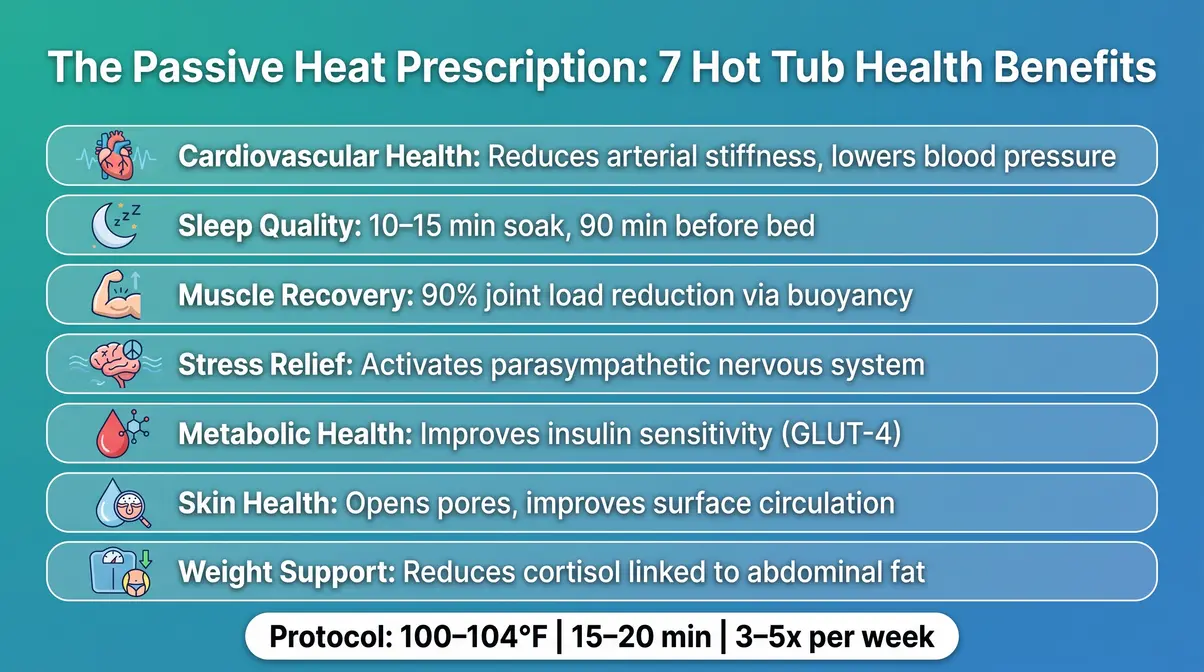
Hot tub health benefits are backed by clinical research — regular sessions of 15–20 minutes at 100–104°F can produce measurable improvements in cardiovascular health, sleep, pain, and metabolism. Apply “The Passive Heat Prescription” framework to match your soak to your specific health goal.
- Cardiovascular health: Passive heat therapy can reduce arterial stiffness and lower blood pressure (National Institutes of Health, 2021)
- Sleep improvement: Soaking 1–2 hours before bed significantly improves sleep quality (PubMed meta-analysis, 2019)
- Pain relief: Buoyancy reduces joint load by up to 90%, easing arthritis and muscle soreness (Arthritis Foundation)
- Metabolic benefits: Daily 30-minute sessions linked to reduced blood glucose in Type 2 diabetes patients (PubMed, 1999; confirmed by subsequent research)
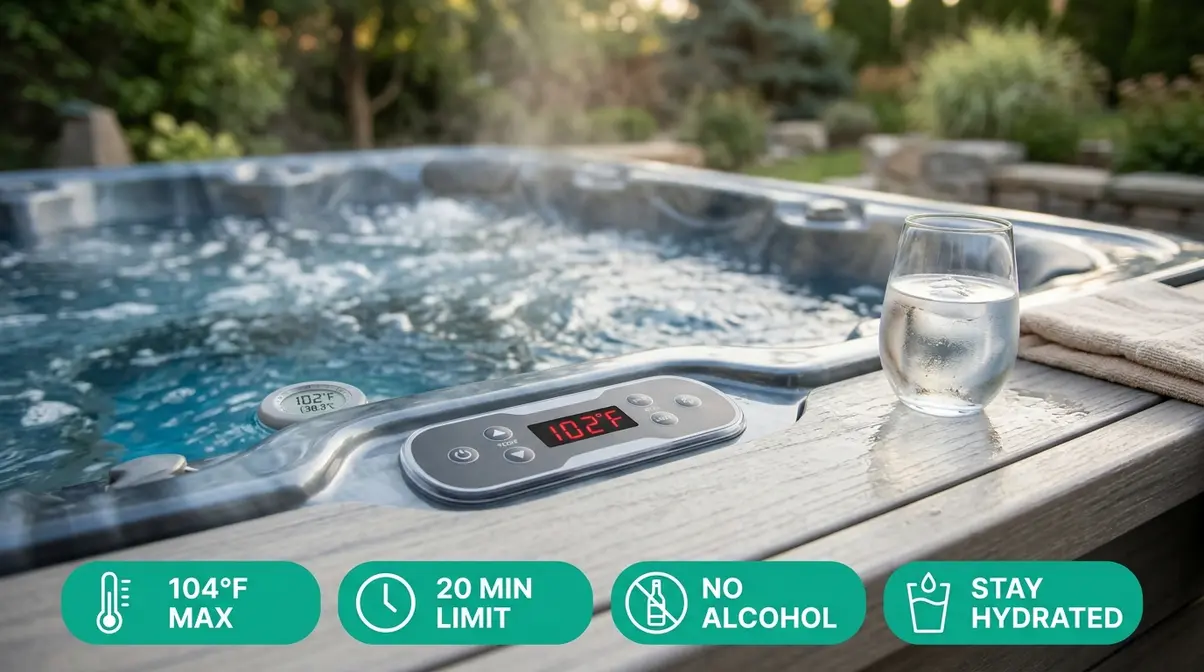
- Know your limits: Maximum safe temperature is 104°F (40°C); sessions exceeding 20 minutes increase overheating risk
What Are the Health Benefits of a Hot Tub?
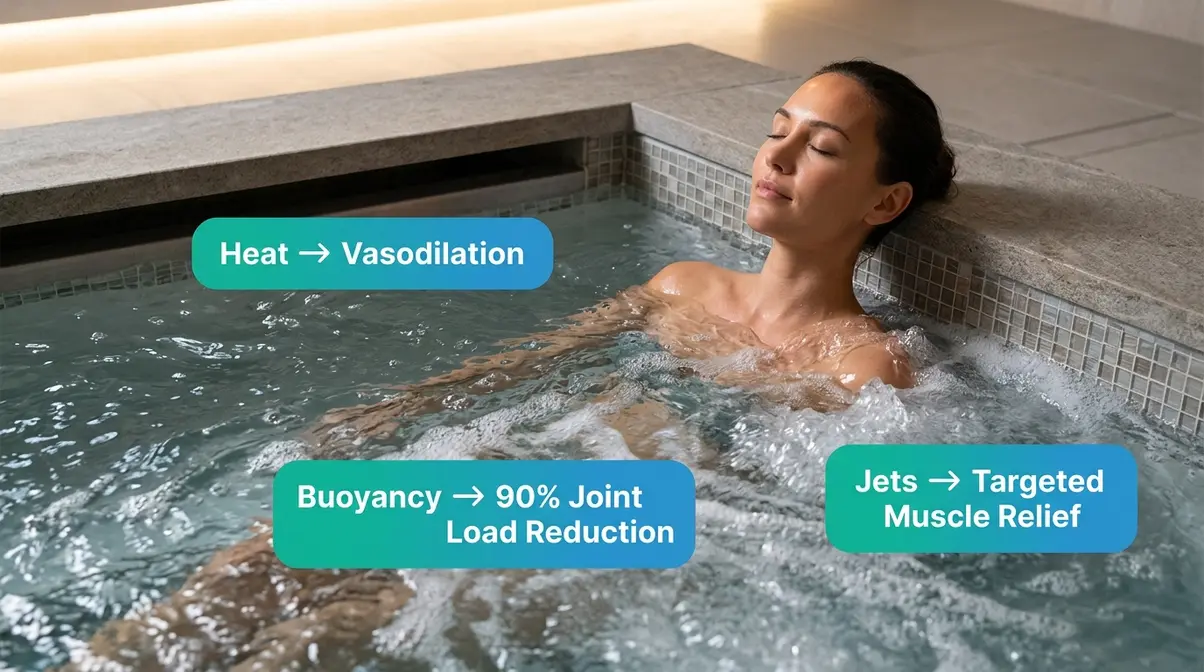
Hot tubs deliver seven clinically researched health benefits — from improved cardiovascular function to better sleep — when used with intention and correct protocols. A 2021 National Institutes of Health review found that passive heat therapy (raising core body temperature through external heat without physical exertion) can produce cardiovascular improvements comparable to moderate exercise. For people who struggle with sedentary lifestyles or chronic pain, that finding carries significant real-world weight.
The mechanism behind these benefits is threefold. Hydrotherapy — the therapeutic use of water to treat physical and mental conditions — works through heat, buoyancy, and massage jets acting simultaneously. Heat raises core body temperature and triggers vasodilation. Buoyancy unloads joints and reduces physical strain. Jets deliver targeted pressure that reinforces muscular and neurological relaxation. Together, these three forces make hot tub immersion genuinely different from a hot shower or a warm bath.
This is the foundation of “The Passive Heat Prescription” — a structured framework for using hot tub sessions as deliberate therapeutic protocols rather than casual soaks. Each health goal has a specific temperature, duration, timing, and frequency. The sections below break each one down with the research behind it.
How Hot Tubs Improve Cardiovascular Health

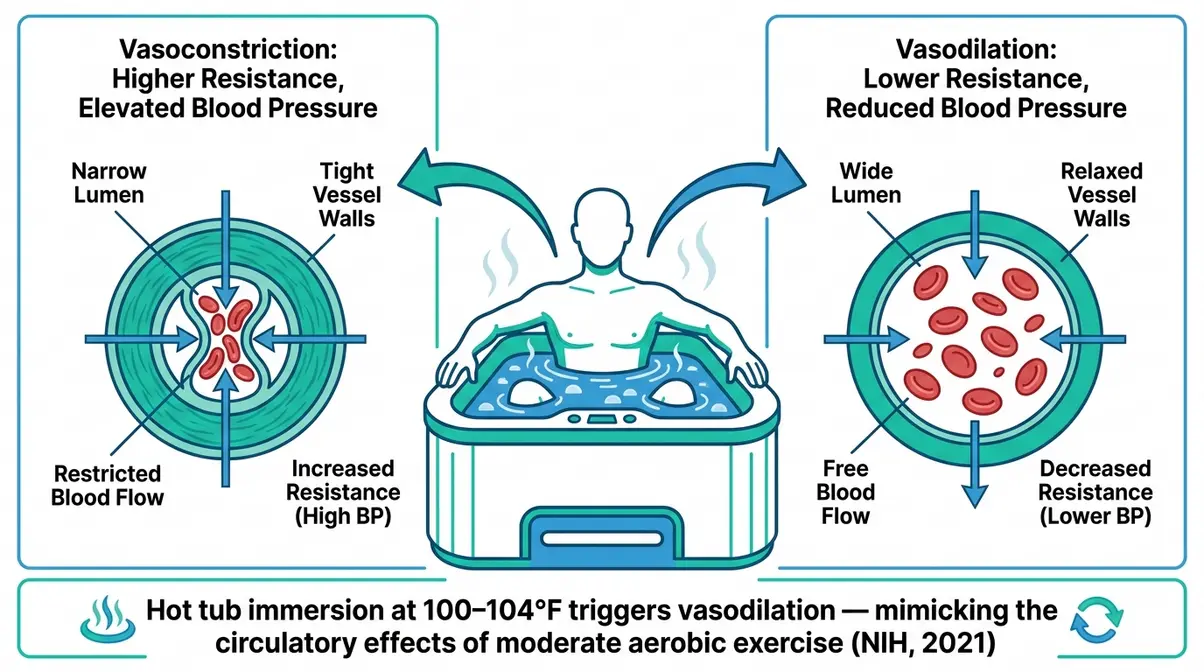
Of all the hot tub health benefits documented in peer-reviewed literature, the cardiovascular evidence is the most robust. The core mechanism is vasodilation — the widening of blood vessels that improves circulation. When you immerse in hot water, your body responds by dilating peripheral blood vessels, which reduces vascular resistance, increases cardiac output, and elevates heart rate in a pattern that closely resembles low-to-moderate aerobic activity.
A PubMed cardiovascular study published in 2016 found that repeated passive heat therapy improved endothelial function (the health of the inner lining of blood vessels), reduced arterial stiffness, and lowered resting blood pressure in sedentary adults — all without a single step on a treadmill. The 2021 National Institutes of Health review expanded on these findings, confirming benefits across broader population groups and reinforcing that hot tub immersion at 40°C (104°F) reduces arterial stiffness and lowers blood pressure in sedentary adults (PubMed, 2016).
This is the single most important differentiator between hot tub use and passive rest. For individuals with mobility limitations, post-surgical recovery constraints, or conditions that make traditional exercise difficult, regular hot tub sessions may offer a meaningful cardiovascular stimulus when exercise is not an option — though this should always be discussed with a cardiologist first.
- The Passive Heat Prescription for Cardiovascular Health:
- Temperature: 100–104°F (38–40°C)
- Duration: 15–20 minutes
- Frequency: 3–5 sessions per week
- Timing: Any time of day; morning sessions provide an energizing effect
- Caution: Consult a cardiologist before use if you have diagnosed heart disease or uncontrolled hypertension
Where cardiovascular benefits operate at the systemic level, hot tubs also deliver targeted relief exactly where many users feel it most — in their muscles and joints.
Muscle Recovery and Joint Pain Relief
The physics of water make hot tubs uniquely effective for musculoskeletal recovery. At chest depth, buoyancy reduces effective body weight by up to 90%, dramatically decreasing compressive load on joints. This is why hydrotherapy has been a standard component of physical rehabilitation for decades — it allows movement and range-of-motion work that would be painful or impossible on land.
For arthritis sufferers specifically, the Arthritis Foundation guidance is clear: warm water immersion reduces joint stiffness and relieves pain in both osteoarthritis and rheumatoid arthritis. The combination of reduced joint load and increased blood flow to soft tissue accelerates the removal of metabolic waste products (like lactic acid) that accumulate during exercise, while simultaneously delivering oxygen and nutrients to recovering muscle fibers.
As one widely shared user experience captures it:
“The warm water and soothing jets can alleviate muscle soreness, ease stress and foster a sense of well-being.”
That observation isn’t anecdotal noise — it describes a measurable physiological sequence. The jets add a targeted massage component that further breaks up muscle tension and stimulates local circulation in ways that immersion alone cannot replicate.
- The Passive Heat Prescription for Muscle Recovery:
- Temperature: 100–102°F (38–39°C) — slightly lower than the cardiovascular protocol to avoid adding heat to an already-inflamed tissue
- Duration: 15–20 minutes post-workout
- Timing: Within 2 hours after exercise for peak benefit
- Jet focus: Direct jets to the specific muscle groups worked during your session
- Follow-up: Gentle range-of-motion stretching in the water before exiting reinforces flexibility gains
Beyond physical recovery, the same combination of heat and buoyancy that relaxes muscles also has a measurable effect on the nervous system — explaining why so many users report significant stress reduction after regular soaking.
How Hot Tubs Reduce Stress and Anxiety
Heat does something specific to your nervous system. Immersion in warm water activates the parasympathetic nervous system — the “rest and digest” branch that counteracts the stress-driven “fight or flight” response. Blood pressure drops, heart rate decelerates, and muscle tension releases. Simultaneously, heat triggers the release of endorphins, the body’s natural analgesic compounds, which contribute to the characteristic sense of calm that follows a soak.
The massage jets amplify this effect meaningfully. Rhythmic pressure on muscles and soft tissue reinforces the relaxation response through a separate tactile pathway, which is why hot tubs consistently outperform a simple hot bath for stress relief — the combination of heat, buoyancy, and mechanical pressure targets multiple neurological channels at once. The Cleveland Clinic notes that warm water immersion activates the body’s relaxation response and can contribute to reduced anxiety symptoms over time.
There is also a social dimension worth acknowledging. Research on chronic stress consistently identifies social isolation as a major driver. Shared hot tub sessions — with a partner, family members, or friends — create a structured, screen-free environment for connection. This indirect benefit of regular hot tub use is rarely mentioned in clinical literature but is well-supported by stress psychology research.
- The Passive Heat Prescription for Stress Relief:
- Temperature: 100–103°F (38–39°C)
- Duration: 15–20 minutes
- Timing: Evening, at least 1 hour before bed
- Environment: Low lighting, minimal noise — avoid phone use during the soak
- Frequency: Daily use is safe at these parameters (see the Safety section for full guidance)
Stress reduction and sleep quality are closely linked — and the evidence for hot tubs improving sleep is among the most robust in the entire body of hydrotherapy research.
Hot Tubs and Sleep Quality: The Evidence
The connection between hot tub use and better sleep is not intuitive until you understand the underlying mechanism. Your body naturally drops its core temperature as part of the sleep-onset process. When you soak in hot water and then exit, your core temperature rises sharply and then falls rapidly — and that rapid drop mimics the natural thermal signal that tells your brain it’s time to sleep. This is a measurable physiological trigger, not a placebo effect.
A PubMed sleep meta-analysis — a 2019 systematic review of 13 studies covering passive body heating — found that soaking in hot water for 10–15 minutes, scheduled 1–2 hours before bedtime, significantly improved overall sleep quality, sleep efficiency, and sleep onset latency. The effect was most pronounced in adults over 40, who tend to experience more pronounced age-related disruptions to sleep architecture.
One practical nuance that most guides miss: timing matters more than duration for the sleep benefit. A 10-minute soak 90 minutes before bed can outperform a 30-minute soak immediately before bed, because the latter doesn’t allow sufficient time for the cooling process that triggers sleep onset. Getting out of the tub and immediately climbing into bed may actually delay sleep rather than accelerate it.
- The Passive Heat Prescription for Sleep Improvement:
- Temperature: 100–103°F (38–39°C) — avoid the maximum 104°F for sleep protocol; lower temperatures allow faster cooling
- Duration: 10–15 minutes
- Timing: 1–2 hours before your target bedtime — this window is critical
- Wind-down: Exit the tub, dry off, and move to a cool, dark room; avoid screens
- Consistency: Daily use at the same time each evening reinforces circadian rhythm entrainment
The cardiovascular, muscle, stress, and sleep benefits are well-established. Some of the most compelling emerging research, however, focuses on metabolic effects that most competitors overlook entirely.
Metabolic Benefits: Blood Sugar and Insulin Sensitivity
Hot tubs may offer meaningful metabolic support — particularly for people with Type 2 diabetes or insulin resistance — through a mechanism researchers call the “exercise mimetic” effect. Heat stress activates heat shock proteins and glucose transporters (GLUT-4) in muscle cells, improving insulin sensitivity through the same cellular pathway stimulated by aerobic exercise. For sedentary individuals who cannot exercise regularly, this pathway represents a clinically meaningful alternative stimulus.
The foundational research dates to a PubMed diabetes study published in 1999, in which patients with Type 2 diabetes who participated in daily 30-minute hot tub sessions experienced notable reductions in fasting blood glucose levels over three weeks. More recent research has broadly confirmed the direction of these findings — a 2020 review in the journal Temperature noted that repeated passive heat exposure produces measurable improvements in insulin sensitivity and glycemic control, particularly in metabolically compromised individuals.
It is worth addressing the “calorie burn” claim that circulates in wellness content. Hot tub use does increase heart rate and caloric expenditure modestly — roughly equivalent to a slow walk. However, the primary metabolic benefit is improved insulin sensitivity, not significant calorie burn. Setting accurate expectations matters here: hot tubs are a useful metabolic adjunct, not a weight management strategy on their own.
- The Passive Heat Prescription for Metabolic Health:
- Temperature: 102–104°F (39–40°C) — upper therapeutic range for maximum heat shock protein activation
- Duration: 20–30 minutes (the longest protocol in this guide — only appropriate for healthy adults without cardiovascular contraindications)
- Frequency: Daily sessions show the strongest metabolic signal in available research
- Timing: Post-meal soaking (1–2 hours after eating) may enhance glucose uptake; consult your physician if managing diabetes
- Caution: People with diabetes should monitor blood glucose before and after sessions and consult their endocrinologist before beginning
Hot Tub Benefits for Specific Conditions and Goals
The health benefits of hot tubs extend well beyond general wellness. Certain populations — women managing hormonal symptoms, athletes monitoring recovery, people with psoriatic arthritis, or those with prostate concerns — have specific questions that generic wellness guides rarely answer. This section applies The Passive Heat Prescription framework to those targeted use cases.
Hot Tub Benefits for Women
Women report several condition-specific benefits from regular hot tub use. For menstrual discomfort, heat applied to the lower abdomen and lower back is a well-established analgesic — hydrotherapy extends this through full-body immersion, which relaxes the pelvic floor muscles and reduces prostaglandin-driven cramping more comprehensively than a heating pad alone.
During perimenopause and menopause, hot flashes and disrupted sleep are among the most disruptive symptoms. The thermoregulation mechanism that makes hot tubs effective for sleep (see the sleep protocol above) may also help regulate the erratic temperature fluctuations associated with hormonal shifts — though women experiencing frequent hot flashes should start with lower temperatures (99–101°F) and shorter sessions (10 minutes) to assess individual tolerance.
Stress-related cortisol elevation, which disproportionately affects women managing dual workloads, responds well to the parasympathetic activation described in the stress section. For women, the practical recommendation is to treat the hot tub as a structured recovery tool — scheduled, consistent, and paired with deliberate wind-down habits rather than used opportunistically.
Can a Hot Tub Help with Weight Loss?
The honest answer is: modestly, and only as a complement to diet and exercise — not a replacement. Heart rate during hot tub immersion can rise to 100–130 beats per minute, which increases caloric expenditure. A 30-minute session may burn approximately 50–100 calories — comparable to a slow walk, not a gym session.
The more defensible weight-related benefit is indirect. Regular soaking reduces cortisol, and chronically elevated cortisol is directly linked to abdominal fat accumulation and increased appetite. By reducing stress and improving sleep quality — both of which are established metabolic regulators — hot tub use creates conditions that support weight management rather than directly driving it.
If weight loss is your primary goal, hot tubs are a useful wellness adjunct. They are not a substitute for caloric deficit or physical activity.
Hot Tub Benefits for Skin Health
Warm water immersion opens pores and increases surface circulation, which can improve the skin’s ability to expel impurities and absorb moisture. For people with mild eczema or psoriasis, warm (not hot) water at 98–100°F can reduce itching and inflammation — though water that is too hot or too prolonged can strip natural skin oils and worsen dry skin conditions.
The critical variable is water chemistry. Properly balanced hot tub water (pH 7.2–7.8, appropriate sanitizer levels) is skin-neutral for most users. Poorly maintained water — with excessive chlorine, high pH, or bacterial contamination — can cause contact dermatitis, folliculitis, or exacerbate existing skin conditions. If you have active eczema, psoriasis, or open skin lesions, consult a dermatologist before regular soaking.
Benefits of Using a Hot Tub in the Morning
Morning hot tub use produces a noticeably different physiological response than evening use, and for many users, it is preferable. The vasodilation and heart rate elevation that occur during a morning soak create an energizing effect — blood flow to muscles and the brain increases, body temperature rises, and the transition from sleep inertia to alert wakefulness is accelerated.
For people with morning joint stiffness (a hallmark symptom of rheumatoid arthritis and osteoarthritis), a 10–15 minute morning soak at 100–102°F can significantly reduce the “warming up” period that makes early-morning activity painful. Physical therapists frequently recommend morning hydrotherapy for this reason.
The trade-off: morning soaking does not deliver the sleep-onset benefit of the evening protocol. Choose your timing based on your primary goal — morning for energy and joint mobility, evening for sleep and stress relief.
Is a Hot Tub Good for Psoriatic Arthritis (PsA)?
Psoriatic arthritis (PsA) is an inflammatory condition affecting both skin and joints, and the answer to this question is nuanced. Warm water hydrotherapy is generally beneficial for the joint component of PsA. The buoyancy reduces joint load, heat reduces stiffness, and gentle movement in water allows range-of-motion exercise with minimal pain — all consistent with the broader arthritis evidence base.
The skin component introduces important caution. PsA plaques can be sensitive to water temperature and chemical exposure. Water that is too hot (above 102°F) may trigger skin flares in some individuals. Chlorine or bromine at high concentrations can irritate compromised skin. The recommended approach for PsA is to start with cooler water (99–101°F), shorter sessions (10 minutes), and carefully maintained water chemistry — then adjust based on your skin’s response.
Research from the National Psoriasis Foundation supports hydrotherapy as a component of PsA management when properly supervised, with the consistent caveat that individual responses vary considerably. Always discuss hot tub use with your rheumatologist if you have active PsA, particularly during flare periods.
Does a hot tub help your prostate?
This question appears frequently in community forums — particularly among men researching benign prostatic hyperplasia (BPH), or enlarged prostate. The short answer: warm water immersion may provide symptomatic relief for some men, but the evidence is limited and the mechanism is indirect.
Warm water increases pelvic blood flow and relaxes the pelvic floor muscles, which can temporarily reduce the urinary urgency and discomfort associated with BPH. In Japanese traditional medicine, warm sitz baths (shallow warm water soaks targeting the pelvic region) have been used for prostate-related discomfort for generations — and some small studies have found modest symptomatic improvement with regular warm water pelvic immersion.
Hot tub use is not a treatment for BPH or prostate conditions. It may offer symptomatic comfort, but it does not address the underlying enlargement or any associated pathology. Men with prostate cancer, active prostatitis, or post-surgical recovery should consult their urologist before using a hot tub. For general BPH symptom management, warm soaking may be a reasonable complementary strategy — but it belongs alongside, not instead of, medically supervised care.
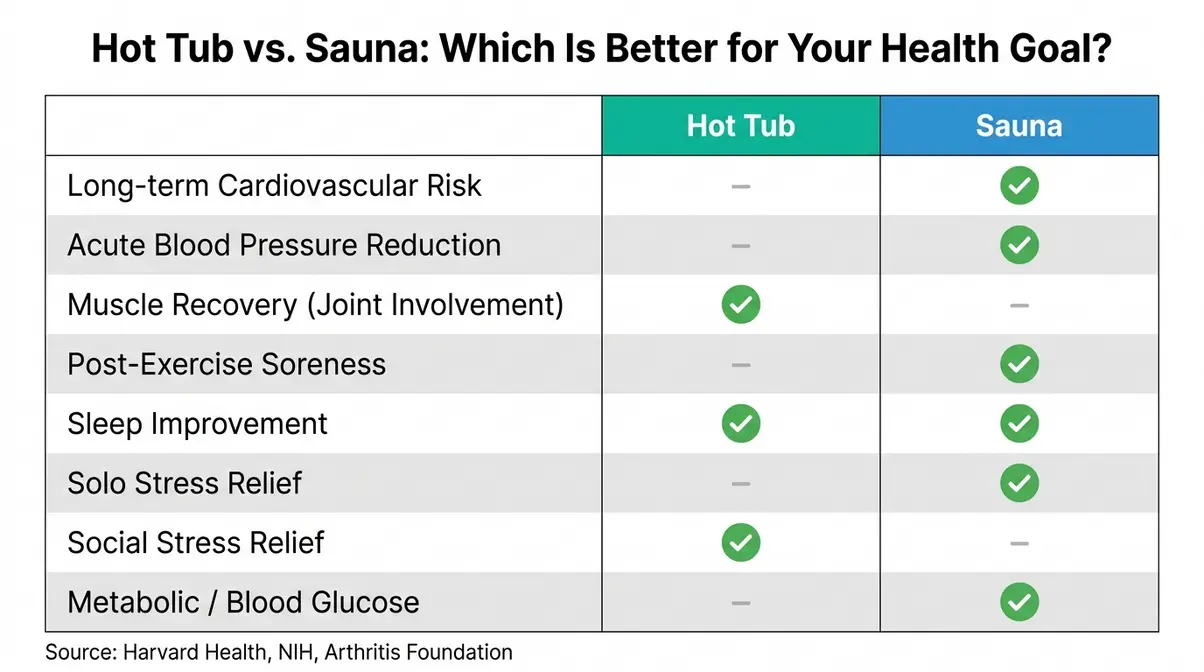
Hot Tub vs. Sauna: Which Is Better for Your Health?
Both hot tubs and saunas use heat as their primary therapeutic mechanism, but they deliver it differently — and those differences matter for specific health goals. A 2025 ScienceDaily study examining passive heat therapies found that both modalities produce meaningful cardiovascular benefits, though through slightly different physiological pathways. Choosing between them is less about which is “better” and more about which matches your specific condition and lifestyle.
The key structural difference: hot tubs combine heat with hydrostatic pressure and mechanical jet massage, while saunas deliver dry or steam heat without immersion. This distinction drives most of the performance differences between them.
Cardiovascular Benefits: Hot Tub vs. Sauna
Both modalities produce vasodilation, heart rate elevation, and blood pressure reduction. The Harvard Health analysis of passive heat therapies notes that regular sauna use (4–7 sessions per week) has been associated with significantly reduced risk of fatal cardiovascular events in large Finnish cohort studies — an evidence base that is currently stronger and larger than the equivalent hot tub literature, primarily because Finnish sauna culture has been studied for decades.
Hot tubs, however, offer one cardiovascular advantage that saunas do not: the hydrostatic pressure of water immersion increases central blood volume and cardiac preload, providing a more direct cardiac stimulus. For people specifically targeting blood pressure reduction or arterial stiffness improvement, hot tub immersion may deliver a more targeted vascular response per session.
The honest summary: Saunas have the larger long-term epidemiological evidence base. Hot tubs may produce a more acute cardiovascular stimulus per session. Both are beneficial; neither is definitively superior for cardiovascular health.
Muscle Recovery: Hot Tub vs. Sauna
For post-exercise muscle recovery, hot tubs hold a meaningful advantage. The combination of buoyancy (reducing joint compression), heat (increasing blood flow to muscles), and jets (mechanical massage) addresses recovery through three simultaneous pathways. A sauna provides heat only — effective, but a single-channel stimulus.
Athletes dealing with joint pain, post-workout stiffness, or recovering from soft tissue injuries will generally find hot tub immersion more comfortable and more therapeutically complete than dry sauna. The ability to perform gentle range-of-motion movements in water — with dramatically reduced gravitational load — is a clinical advantage that sauna cannot replicate.
For pure muscle soreness without joint involvement, the evidence suggests both are comparably effective. The choice often comes down to personal preference and access.
Stress Relief and Mental Health: Hot Tub vs. Sauna
Both modalities activate the parasympathetic nervous system and trigger endorphin release. The stress-relief mechanisms are broadly equivalent. The differentiating factor is social utility: hot tubs accommodate multiple users simultaneously, making shared relaxation experiences accessible in ways that saunas — particularly compact home units — often do not.
Social connection is a documented buffer against chronic stress. If your stress is partly driven by social isolation or insufficient quality time with family, a hot tub’s social capacity is a genuine therapeutic advantage, not a marketing add-on.
For solo stress relief and mental decompression, sauna’s meditative, distraction-free environment appeals to many users. Neither is universally superior — this is a genuine preference-based choice.
Which Is Better for Your Specific Health Goals?
The table below maps common health goals to the stronger modality based on current evidence:
| Health Goal | Better Choice | Key Reason |
|---|---|---|
| Long-term cardiovascular risk reduction | Sauna | Larger epidemiological evidence base (Finnish cohort data) |
| Blood pressure reduction (acute) | Hot tub | Hydrostatic pressure provides direct vascular stimulus |
| Muscle recovery with joint involvement | Hot tub | Buoyancy + jets address multiple recovery pathways |
| Pure post-exercise soreness | Either | Comparable heat delivery; personal preference decides |
| Sleep improvement | Hot tub | Immersion produces faster, more pronounced core temperature rise and fall |
| Stress relief (solo) | Either | Equivalent parasympathetic activation |
| Stress relief (social/family) | Hot tub | Accommodates multiple users; social connection amplifies benefit |
| Metabolic / blood glucose support | Hot tub | Stronger evidence base for immersion-based heat therapy in diabetes research |
| Skin conditions (psoriasis, eczema) | Neither without medical guidance | Both can irritate compromised skin; consult dermatologist |
Hot Tub Health Risks and Safety Precautions
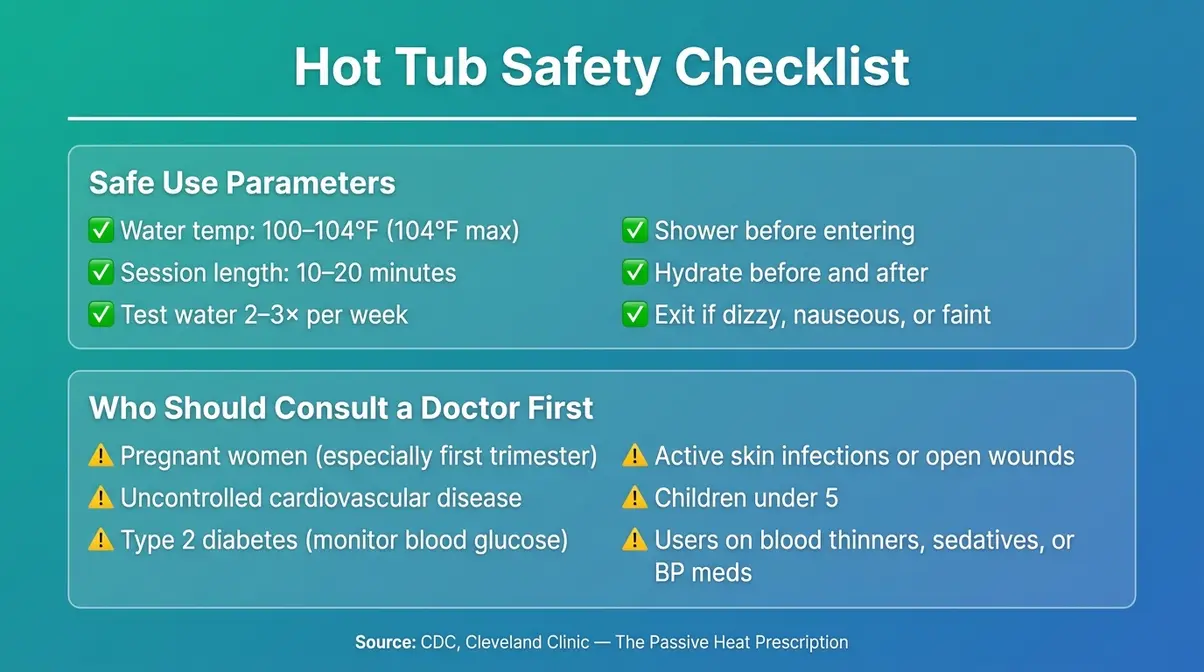
Understanding the risks of hot tub use is as important as understanding the benefits. This section is not designed to discourage use — it is designed to ensure that the therapeutic value of The Passive Heat Prescription is realized safely, without preventable harm. The Cleveland Clinic and CDC have both published guidance on safe hot tub use that informs the protocols below.
Who Should Avoid Hot Tubs?
Several populations face elevated risk from hot tub use and should consult a physician before soaking — or avoid it entirely.
Pregnant women should avoid hot tubs during the first trimester in particular. Core body temperature elevation above 101°F (38.3°C) for extended periods has been linked to neural tube defects in early pregnancy. The CDC advises pregnant women to limit hot tub use to 10 minutes maximum and to exit immediately if they feel overheated.
People with uncontrolled cardiovascular disease — including uncontrolled hypertension, recent myocardial infarction, or congestive heart failure — face real risk from the cardiovascular demand of hot water immersion. The vasodilatory response that benefits healthy adults can be destabilizing for those with compromised cardiac function.
People with active skin infections, open wounds, or urinary tract infections should not use shared or personal hot tubs until fully recovered. Warm water environments can accelerate bacterial growth and introduce pathogens to vulnerable tissues.
People taking certain medications — including blood thinners, sedatives, blood pressure medications, and alcohol — face amplified risks from hot tub immersion. Alcohol combined with hot tub use is a documented cause of fatal overheating incidents; the vasodilatory effects of both compound each other dangerously.
Children under 5 should not use hot tubs at standard adult temperatures. Their smaller body mass means core temperature rises much faster, and they cannot reliably communicate distress.
Safe Usage Guidelines: Temperature and Duration
The question “Is it healthy to sit in a hot tub every day?” has a conditional answer: yes, for healthy adults following evidence-based parameters. Daily use at moderate temperatures and appropriate durations is supported by the metabolic and sleep research cited throughout this guide. Daily use at maximum temperatures for extended periods is not.
Core safety parameters:
| Parameter | Safe Range | Maximum | Notes |
|---|---|---|---|
| Water temperature | 100–102°F (38–39°C) | 104°F (40°C) | CDC maximum for adults |
| Session duration | 10–20 minutes | 20 minutes at 104°F | Exit sooner if dizzy or overheated |
| Daily frequency | Once daily | Twice daily (with cooling interval) | Allow body temperature to normalize between sessions |
| Alcohol use | None | None | Never combine alcohol with hot tub use |
| Age minimum | 5+ years (supervised) | N/A | Children: 10-minute maximum, lower temperature |
Recognizing overheating: Exit the hot tub immediately if you experience dizziness, nausea, headache, rapid heartbeat, or visual disturbances. These are early signs of heat exhaustion. Move to a cool area, hydrate with water, and seek medical attention if symptoms persist.
Hygiene and Maintenance for Safe Use
Poorly maintained hot tub water is a genuine health hazard. Pseudomonas aeruginosa — the bacteria responsible for “hot tub folliculitis” (a skin rash characterized by itchy red bumps) — thrives in warm, inadequately sanitized water. Legionella bacteria, which cause Legionnaires’ disease, can proliferate in hot tub water that is not properly treated and aerated.
The CDC recommends testing hot tub water at least twice weekly, with the following target ranges:
| Parameter | Target Range | Test Frequency |
|---|---|---|
| Free chlorine | 3–5 ppm | 2–3× per week |
| Bromine (if used) | 4–6 ppm | 2–3× per week |
| pH | 7.2–7.8 | 2–3× per week |
| Total alkalinity | 80–120 ppm | Weekly |
| Calcium hardness | 150–250 ppm | Monthly |
Beyond chemistry, practical hygiene habits reduce risk meaningfully: shower before entering (removing oils, lotions, and bacteria that degrade water quality), avoid soaking with open cuts or active skin infections, drain and refill the water every 3–4 months, and clean the filter monthly. These steps are not optional maintenance tasks — they are the difference between therapeutic water and a bacterial incubation environment.
Frequently Asked Questions
Is it healthy to sit in a hot tub every day?
Daily hot tub use is generally safe for healthy adults when sessions stay within recommended parameters — 15–20 minutes at 100–104°F. Research on metabolic and sleep benefits specifically supports daily use at these levels. However, daily sessions at the maximum 104°F for extended periods increase the risk of overheating, dehydration, and skin irritation. People with cardiovascular conditions, diabetes, or skin disorders should consult their physician about appropriate frequency before establishing a daily routine.
Are hot tubs good for your health?
Yes — hot tubs offer seven clinically researched health benefits when used correctly. A 2021 NIH review confirmed that passive heat therapy can improve cardiovascular markers, while a 2019 PubMed meta-analysis documented significant improvements in sleep quality. Additional evidence supports benefits for muscle recovery, stress reduction, metabolic health, and joint pain relief. The key qualifier is intentional use: specific temperatures, durations, and timing matched to your health goal, as outlined in The Passive Heat Prescription protocols above.
Is a hot tub good for PsA?
Warm water hydrotherapy can benefit the joint symptoms of psoriatic arthritis (PsA), but requires careful management of the skin component. Buoyancy reduces joint compression and heat reduces stiffness — both directly relevant to PsA joint inflammation. For skin involvement, lower temperatures (99–101°F) and shorter sessions (10 minutes) are recommended to avoid triggering flares. Water chemistry must be carefully balanced, as excess chlorine can irritate PsA-affected skin. Always discuss hot tub use with your rheumatologist during active flare periods.
Why put tennis balls in a hot tub?
Tennis balls are placed in hot tubs to absorb body oils, cosmetics, and lotions that accumulate on the water surface and in the filter. The felt material on tennis balls acts as a passive sponge, capturing these substances before they break down the water’s chemical balance or form a greasy film on the tub surface. It is a low-cost maintenance trick that reduces filter strain between cleanings. Note that this does not replace regular chemical testing or filter maintenance — it simply extends the interval between full cleanings.
What are the downsides of a hot tub?
The main downsides of hot tub use are overheating risk, water hygiene demands, and contraindications for specific health conditions. Overheating (heat exhaustion or heat stroke) is a real risk at temperatures above 104°F or sessions exceeding 20 minutes. Poorly maintained water can harbor bacteria causing folliculitis or, in severe cases, Legionnaires’ disease. Hot tubs are contraindicated for pregnant women in the first trimester, people with uncontrolled cardiovascular disease, and those on certain medications. The financial and maintenance commitment — regular chemical testing, filter cleaning, energy costs — is also a practical consideration many owners underestimate.
Does a hot tub help your prostate?
Warm water immersion may provide temporary symptomatic relief for benign prostatic hyperplasia (BPH) by increasing pelvic blood flow and relaxing pelvic floor muscles, which can reduce urinary urgency and discomfort. Japanese traditional medicine has long used warm sitz baths for prostate-related discomfort, and small studies support modest symptomatic benefit. However, hot tub use is not a treatment for BPH or prostate disease. Men with prostate cancer, active prostatitis, or recent prostate surgery should consult their urologist before using a hot tub.
How do Japanese treat an enlarged prostate?
Traditional Japanese approaches to enlarged prostate (BPH) often include warm water immersion therapies, particularly shallow warm baths targeting the pelvic region — known as sitz baths. The practice of onsen (hot spring bathing) is also part of Japanese wellness culture, with warm mineral water immersion used to relax pelvic musculature and improve circulation to the lower abdomen. Modern Japanese urology does not rely on bathing as a primary BPH treatment; standard care includes alpha-blockers, 5-alpha reductase inhibitors, and surgical options for severe cases. Warm water soaking is viewed as a complementary comfort measure, not a curative therapy.
Limitations and Risks: What Hot Tubs Cannot Do
Common Pitfalls
Assuming hot tubs replace exercise. The cardiovascular and metabolic research is compelling — but “comparable to moderate exercise” means comparable in mechanism, not in magnitude. A 20-minute soak does not substitute for 150 minutes of weekly aerobic activity recommended by health guidelines. The benefit is additive, not substitutional.
Using maximum temperature for every session. The 104°F ceiling exists for a reason. Using the maximum temperature for every soak — particularly for extended sessions — dramatically increases overheating risk and provides no additional therapeutic benefit over 102°F for most goals. Match your temperature to your protocol, not to your preference for intense heat.
Neglecting water chemistry. The therapeutic benefits of hot tub immersion depend entirely on clean, properly balanced water. A hot tub with bacterial contamination or chemical imbalance is not a wellness tool — it is a health hazard. Consistent testing is non-negotiable, not optional maintenance.
Soaking immediately before bed. As the sleep research makes clear, the timing of your soak is critical. Entering the tub immediately before sleep disrupts rather than supports sleep onset because there is insufficient time for the core temperature drop that triggers sleep. Allow 60–90 minutes between exiting the tub and going to bed.
When to Choose Alternatives
If your primary goal is long-term cardiovascular risk reduction, the epidemiological evidence for regular sauna use (particularly the large Finnish cohort studies) is currently stronger than the equivalent hot tub literature. A sauna may be the better primary investment if cardiovascular longevity is your central concern.
If you have active skin conditions — psoriasis, eczema, open wounds, or active folliculitis — a hot tub may worsen your condition, particularly if water chemistry is not precisely controlled. Consult a dermatologist before use, and consider alternatives like contrast therapy (cold/warm cycling) under clinical guidance.
If you are managing a serious medical condition, hot tubs are a complement to — not a replacement for — evidence-based medical treatment. Hydrotherapy belongs alongside prescribed therapies, not instead of them.
When to Seek Expert Help
Before beginning regular hot tub use, consult your physician if you have: cardiovascular disease (diagnosed or suspected), Type 2 diabetes, any condition requiring prescription medication, a history of heat sensitivity or fainting, or if you are pregnant. For psoriatic arthritis or prostate conditions specifically, rheumatologist or urologist input is advisable before establishing a regular protocol. The Passive Heat Prescription protocols in this guide are evidence-based starting points — individual medical circumstances always take precedence.
Conclusion
For health-conscious adults seeking measurable wellness outcomes, hot tub health benefits are not marketing claims — they are documented physiological responses supported by peer-reviewed research. A 2021 NIH review confirmed cardiovascular improvements comparable to moderate exercise. A 2019 PubMed meta-analysis established sleep benefits from properly timed soaking. The Arthritis Foundation endorses warm water immersion for joint pain management. These are not vague assurances; they are specific findings with replicable mechanisms.
The Passive Heat Prescription reframes hot tub use from passive leisure to active therapeutic protocol. The difference between a relaxing soak and a measurably beneficial health intervention is specificity: the right temperature (100–104°F), the right duration (10–20 minutes matched to your goal), the right timing (1–2 hours before bed for sleep; post-workout for recovery), and the right frequency (3–5 times weekly for cardiovascular benefit; daily for sleep and metabolic support). That specificity is what separates this guide from generic wellness content — and what separates therapeutic soaking from expensive bubble baths.
Start with one protocol. If sleep is your primary concern, try the sleep protocol — 10–15 minutes at 100–103°F, 90 minutes before bed — for 14 consecutive nights and track your sleep quality. If muscle recovery or joint pain is the priority, apply the recovery protocol within 2 hours post-workout for three weeks. The evidence is clear; the protocols are actionable. The next step is simply getting in the water.