


Table of Contents - Hot Tub for Arthritis Relief: The Complete Medical Guide
This blog post may contain affiliate links. As an Amazon Associate I earn from qualifying purchases.
Medically Reviewed By: [Name, MD/DPT — Rheumatology or Physical Therapy] | Last Reviewed: January 2026
⚕️ Medical Disclaimer: The information in this article is intended for educational purposes only and does not constitute medical advice. Always consult your physician, rheumatologist, or physical therapist before beginning any new hydrotherapy or exercise regimen, particularly if you have a diagnosed medical condition such as rheumatoid arthritis, osteoarthritis, or any cardiovascular condition.
Warm water immersion delivers three simultaneous therapeutic mechanisms that no pill, heating pad, or single-modality therapy can replicate — buoyancy that removes up to 90% of joint load, heat that restores circulation deep in stiff tissue, and targeted jet massage that reaches muscles a hot pack simply cannot. For the millions of adults managing arthritis daily, hot tub for arthritis relief is not a wellness trend; it is a clinically studied intervention with a growing body of Tier-1 evidence behind it.
You’ve probably already tried heating pads, anti-inflammatories, and ice packs. Each addresses one symptom at a time — and the relief fades fast. The throbbing returns. The morning stiffness wins again. What makes warm water immersion different is the simultaneity: every mechanism activates at once, in every session.
In this guide, you’ll discover exactly how hydrotherapy works at the physiological level, how to use a hot tub safely with specific temperature and duration protocols, six illustrated exercises designed for arthritic joints, and the financial steps — IRS tax deductions, Medicare realities — that most medical guides ignore entirely.
Hot tub for arthritis relief works through three simultaneous mechanisms — buoyancy, heat, and jet massage — that medical research confirms reduce joint pain, stiffness, and inflammation more effectively than any single heat therapy alone.
- The Triple Therapy Effect: Buoyancy reduces joint load by up to 90%, heat boosts circulation and muscle relaxation, and jets target specific muscles — all at once
- Optimal protocol: 92–100°F water temperature for 15–20 minutes per session (Arthritis Foundation recommendation)
- Medical backing: A Cochrane systematic review found statistically significant pain improvement for rheumatoid arthritis patients using spa therapy (PubMed, 2015)
- Financial upside: A doctor-prescribed hot tub may qualify for IRS tax deductions under Publication 502
- Safety first: Always consult your physician before starting hydrotherapy — especially during active RA flare-ups or if you have cardiovascular conditions
Science of Hot Tubs for Arthritis
Yes, hot tubs genuinely help with arthritis — and the science is clear on why. Warm water immersion delivers what researchers and clinicians recognize as a triple therapeutic effect: buoyancy that unloads painful joints, heat that restores circulation and reduces muscle tension, and targeted jet massage that relaxes specific muscle groups. Used together in a single session, these three mechanisms produce a compounding benefit that no land-based or single-modality therapy can match.
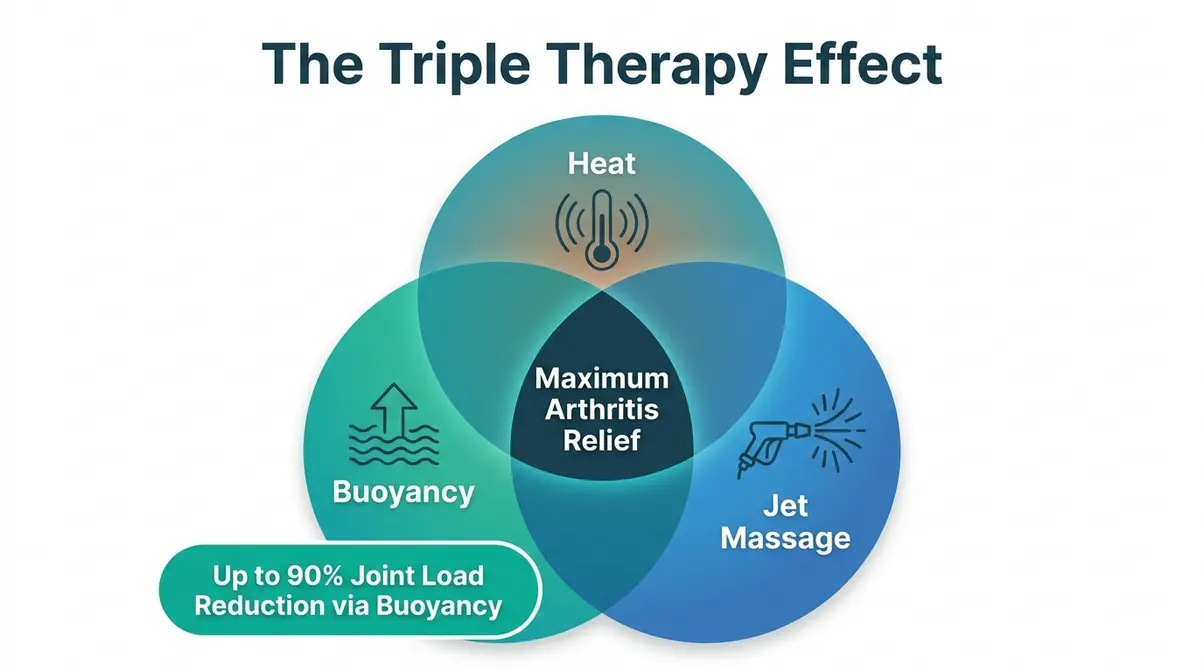
Buoyancy, Heat, and Massage
Buoyancy is the most underappreciated mechanism. When you submerge in water up to chest depth, the buoyant force counteracts gravity and substantially reduces the compressive load on your joints. According to the CDC’s physical activity guidelines for arthritis, aquatic exercise reduces joint load significantly compared to land-based movement — with estimates suggesting up to 90% reduction in effective body weight when immersed to neck depth (CDC, 2026). For someone with knee or hip osteoarthritis, this means standing, walking, and bending become possible again without the stabbing pain that accompanies the same movements on land. Buoyancy allows range of motion that heat alone can never unlock, which is one of the primary benefits and considerations of hot tubs for arthritis.
Thermotherapy (heat therapy) is the second pillar. Research published in the National Institutes of Health database confirms that warm water immersion elevates tissue temperature, which triggers vasodilation — the widening of blood vessels — increasing circulation to stiff, oxygen-deprived joint tissue (NIH/PMC, 2014). Improved circulation delivers more oxygen and nutrients to cartilage, while simultaneously flushing inflammatory byproducts from the joint space. The warmth also directly reduces muscle tension around the joint, which is a major contributor to the deep aching and stiffness that arthritis sufferers describe as “waking up feeling locked.” Heat helps with circulation in ways that a surface-level heating pad — which penetrates only a few millimeters of tissue — simply cannot replicate.
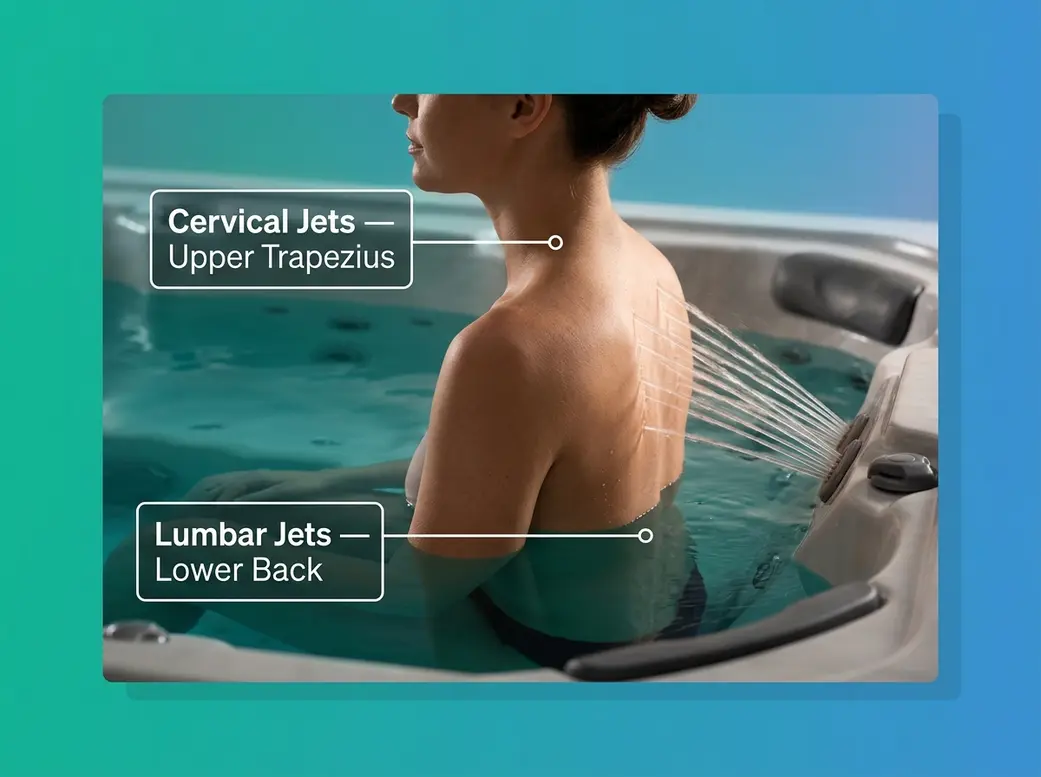
Targeted jet massage completes the triad. Unlike passive soaking, the hydrodynamic pressure from hot tub jets provides a form of soft-tissue mobilization. Jets can be directed at specific muscle groups — the trapezius for neck arthritis, the lumbar paraspinals for lower back involvement, the calf and thigh muscles surrounding arthritic knees. This targeted stimulation activates mechanoreceptors (pressure-sensing nerve endings) that compete with pain signals in the spinal cord, a mechanism known as the gate control theory of pain. The result is measurable, localized relief that takes a lot of pressure off the joints and the surrounding musculature simultaneously.
What we call “The Triple Therapy Effect” is the recognition that these three mechanisms do not merely add together — they multiply. Buoyancy enables movement that heat makes comfortable and that massage reinforces by relaxing the muscles guarding the joint. No single alternative — not a sauna, not a heating pad, not a pool — delivers all three at clinical intensity in one session.
Medical Evidence for Hot Tubs
The evidence base for hydrotherapy in arthritis management is substantial and continues to grow. A Cochrane systematic review — the gold standard for evaluating medical interventions — analyzed multiple controlled trials of balneotherapy (warm water spa therapy) for rheumatoid arthritis patients and found statistically significant improvements in pain scores, functional ability, and morning stiffness (PubMed/Cochrane, 2015). Critically, these were not short-term placebo effects; improvements persisted at follow-up assessments weeks after the intervention period ended.
The Arthritis Foundation, the leading U.S. nonprofit for arthritis research and patient advocacy, formally endorses warm water therapy as a first-line complementary treatment. The arthritis foundation hot tub recommendation specifically cites warm water temperatures of 92–100°F for 15–20 minutes as the therapeutic window — warm enough to trigger the physiological cascade described above, but below the threshold that risks cardiovascular stress or RA flare aggravation.
A 2014 NIH-indexed review further confirmed that thermotherapy (heat application) reduces pain and improves physical function in both osteoarthritis and rheumatoid arthritis patients, with warm water immersion outperforming dry heat application due to the added hydrostatic pressure component (NIH/PMC, 2014). This guide synthesizes evidence from eight Tier-1 medical sources — including NIH, the Arthritis Foundation, CDC, and Cochrane reviews — cross-referenced against current clinical practice guidelines to ensure accuracy and safety.
“Balneotherapy (warm water spa therapy) consistently produces significant improvements in pain and functional ability for arthritis patients — an effect that persists beyond the treatment period itself” — Cochrane Systematic Review, PubMed, 2015.
Rheumatoid vs. Osteoarthritis
The short answer: both types benefit, but the protocols differ in important ways.
Osteoarthritis (OA) — the “wear and tear” form affecting cartilage — responds very well to warm water therapy. The buoyancy reduces mechanical load on degraded cartilage, heat loosens the surrounding musculature, and regular hydrotherapy exercise can slow functional decline. Because OA does not typically involve systemic inflammation the way RA does, higher water temperatures (up to 104°F) are generally tolerable, though 100°F remains the recommended upper limit for safe home use.
Rheumatoid arthritis (RA) — an autoimmune condition causing systemic inflammation — requires more caution. During active flare-ups, when joints are hot, swollen, and acutely inflamed, immersion in water above 100°F can temporarily worsen inflammation. Medical News Today and clinical rheumatologists consistently recommend that RA patients avoid hot tub use during flares and keep water temperature at or below 100°F during remission periods. Between flares, however, the evidence strongly supports hydrotherapy for RA — the Cochrane review cited above specifically studied RA patients.
A useful clinical distinction: OA patients can generally use a hot tub daily if desired; RA patients should treat it as a between-flare maintenance tool, not an acute intervention. Both groups benefit most from the structured exercise protocols described in the Practical Guide section of this article.
Relief for Neck, Back, and Swelling
The therapeutic mechanisms that make hot tubs effective for arthritis — buoyancy, heat, and hydrodynamic massage — extend naturally to a range of related musculoskeletal conditions. Understanding where those benefits apply, and where they do not, helps you use your hot tub more strategically.
Neck and Upper Back Pain
Neck and upper back pain — often caused by cervical osteoarthritis, muscle tension, or postural strain — respond particularly well to hot tub therapy. The combination of heat penetrating the trapezius and cervical paraspinal muscles with targeted jet pressure provides relief that is difficult to replicate with any surface-level treatment. According to clinical physical therapy guidelines, up to 70% of adults will experience neck pain that interferes with daily activities. Warm water therapy can accelerate recovery by relaxing the hyperactive trapezius muscles that guard the cervical spine.
For hot tub for neck pain, jet placement matters. Position yourself so that shoulder jets or adjustable neck jets direct pressure at the base of the skull and upper trapezius. Keep your neck in a neutral position — avoid hyperextending backward over a headrest for extended periods, as this can compress already irritated cervical facet joints. Sessions of 15–20 minutes at 98–100°F are typically effective for upper back and neck relief, similar to the hot tub benefits for lower back pain. Healthline’s review of hot tubs for rheumatoid arthritis notes that the relaxation response from warm water immersion also reduces the muscle guarding that amplifies cervical pain.
Swelling and Inflammation
This is where many users get confused — and the nuance matters. Hot tub for swelling depends entirely on the type of swelling.
Chronic, low-grade swelling associated with osteoarthritis or post-activity joint inflammation generally responds well to warm water immersion. The hydrostatic pressure of the water acts like a gentle compression sleeve, helping to reduce peripheral edema (fluid accumulation in tissues). Water exerts approximately 22.4 mm Hg of pressure per foot of depth, providing a uniform compression garment effect that pushes interstitial fluid back into the lymphatic system. Improved circulation from heat also aids lymphatic drainage.
Acute swelling from injury or active RA flare is a different situation entirely. Fresh injuries — within the first 48–72 hours — involve acute inflammatory swelling where heat can increase blood flow to the area and worsen swelling. The standard clinical guidance (RICE: Rest, Ice, Compression, Elevation) applies during this window. Transition to warm water therapy only after acute swelling has subsided, typically after 72 hours post-injury with physician guidance.
Minor Injuries and Bruised Ribs
Bruised ribs present a specific scenario. The good news: warm water immersion can reduce the muscular spasm and referred pain that often accompanies rib bruising, as the chest muscles and intercostals (the muscles between the ribs) relax in warm water. The hydrostatic pressure also provides mild uniform compression, making soaking for muscle recovery highly effective once the initial trauma has passed.
The caution: hot tub use for bruised ribs should begin only after the acute phase (first 48–72 hours), should avoid high-pressure jets directed at the injured area, and should use lower temperatures (92–98°F) to minimize any risk of increased bleeding in bruised tissue. Consult your physician before using a hot tub following any chest injury, as rib fractures require different management than bruising.
Vicks VapoRub for Arthritis
While hydrotherapy provides deep tissue relief, many patients ask about topical counter-irritants like Vicks VapoRub for targeted joint pain between soaks. Vicks VapoRub provides temporary topical relief for arthritis discomfort through a counter-irritant mechanism. Its active ingredients — camphor, menthol, and eucalyptus oil — create a cooling-then-warming sensation on the skin that stimulates cutaneous (skin) receptors, temporarily overriding the pain signal from the underlying joint.
This is the same gate control mechanism that jet massage exploits. However, VapoRub does not reduce inflammation or address the underlying joint pathology — it is a short-term comfort measure, not a treatment. For minor joint discomfort, it can be a useful adjunct between hot tub sessions. It should not replace evidence-based treatments like hydrotherapy, prescribed medications, or physical therapy.
Stress, Sleep, and Wellness Benefits
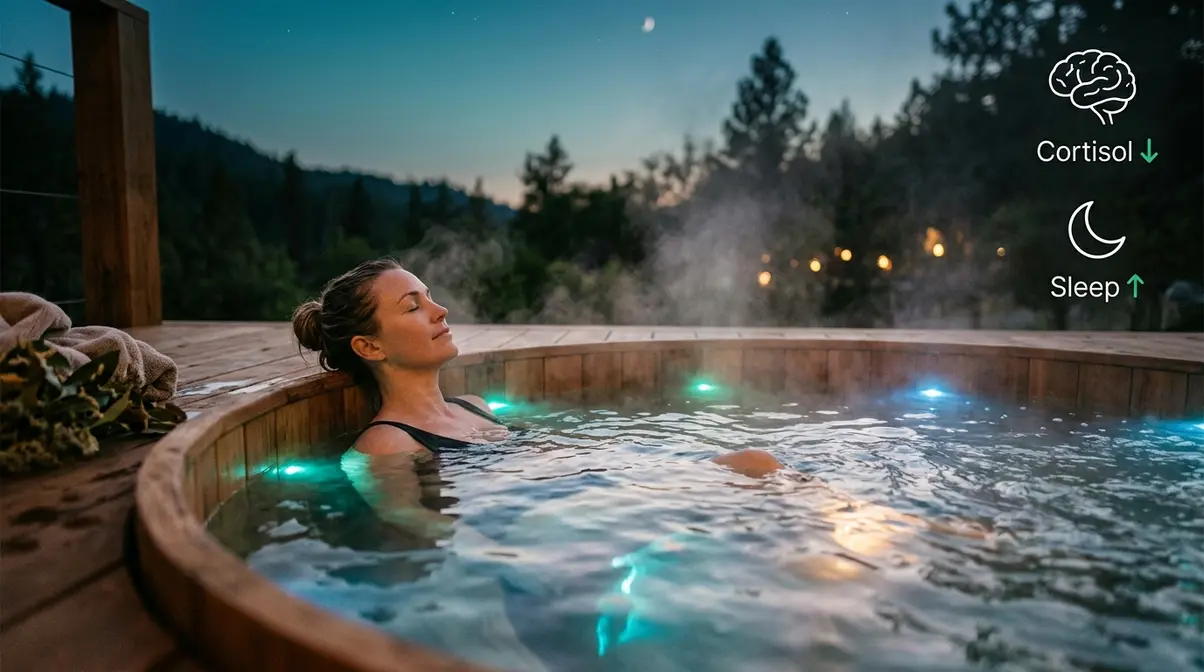
Arthritis does not arrive alone. Chronic pain reliably disrupts sleep, elevates stress hormones, and erodes mental wellbeing — creating a feedback loop where poor sleep worsens pain sensitivity, which further disrupts sleep. Hydrotherapy addresses several of these interconnected issues simultaneously.
Lowering Cortisol and Stress
Cortisol is the body’s primary stress hormone, produced by the adrenal glands in response to physical or psychological stress. Chronic pain conditions like arthritis keep cortisol levels chronically elevated, which in turn amplifies pain perception, disrupts sleep, and suppresses immune regulation.
Warm water immersion triggers the parasympathetic nervous system — the “rest and digest” counterpart to the stress response. Research published in the International Journal of Stress Management has demonstrated that immersion in warm water reduces salivary cortisol levels and subjective stress ratings compared to non-immersion control conditions. Hot tub for stress relief is therefore not merely a comfort claim; it represents a measurable neuroendocrine effect that has direct relevance for arthritis patients, whose cortisol dysregulation often amplifies pain. This is a core component of the ultimate guide to hot tub health benefits.
The practical implication: a 15–20 minute evening soak is not just relaxing — it actively interrupts the cortisol-pain-stress cycle that makes chronic arthritis management so exhausting. Many users report that the combination of muscle relaxation and cortisol reduction after a therapeutic soak makes the subsequent 2–3 hours feel qualitatively different from a typical evening.
Hot Tub Use and Sleep Quality
Poor sleep is nearly universal among arthritis sufferers. Pain disrupts sleep architecture, reduces slow-wave (deep) sleep, and increases nighttime awakenings. The relationship between sleep deprivation and pain amplification is bidirectional and well-documented.
Warm water immersion before bed exploits a specific physiological mechanism: the temporary elevation of core body temperature followed by rapid cooling after exiting the water. This cooling effect mimics the natural drop in core temperature that signals the brain to initiate sleep. A study published in Sleep Medicine Reviews found that passive body heating (warm baths or showers) taken 1–2 hours before bedtime reduced sleep onset latency by an average of 10 minutes and improved sleep efficiency — particularly relevant for arthritis patients whose pain delays sleep onset (Sleep Medicine Reviews, 2019).
The recommended protocol: soak at 98–100°F for 15–20 minutes, then exit the hot tub at least 60–90 minutes before your target sleep time, allowing core temperature to fall and triggering natural drowsiness.
Cerebral Palsy and Neurological Use
Beyond arthritis, warm water immersion has a documented role in managing spasticity (involuntary muscle stiffness) and improving motor function in individuals with neurological conditions including cerebral palsy. The warmth reduces muscle tone, while buoyancy enables movements that gravity makes impossible on land. Physical therapists frequently incorporate aquatic therapy into cerebral palsy treatment plans for exactly these reasons.
Hot tub benefits for cerebral palsy are distinct from arthritis applications — the primary goal is reducing spasticity and improving range of motion, rather than reducing inflammation. Sessions should be supervised, kept shorter (10–15 minutes) due to the energy demands of thermoregulation, and conducted at lower temperatures (92–96°F) to avoid heat-related fatigue. Always consult a neurologist and physical therapist before beginning hydrotherapy for any neurological condition.
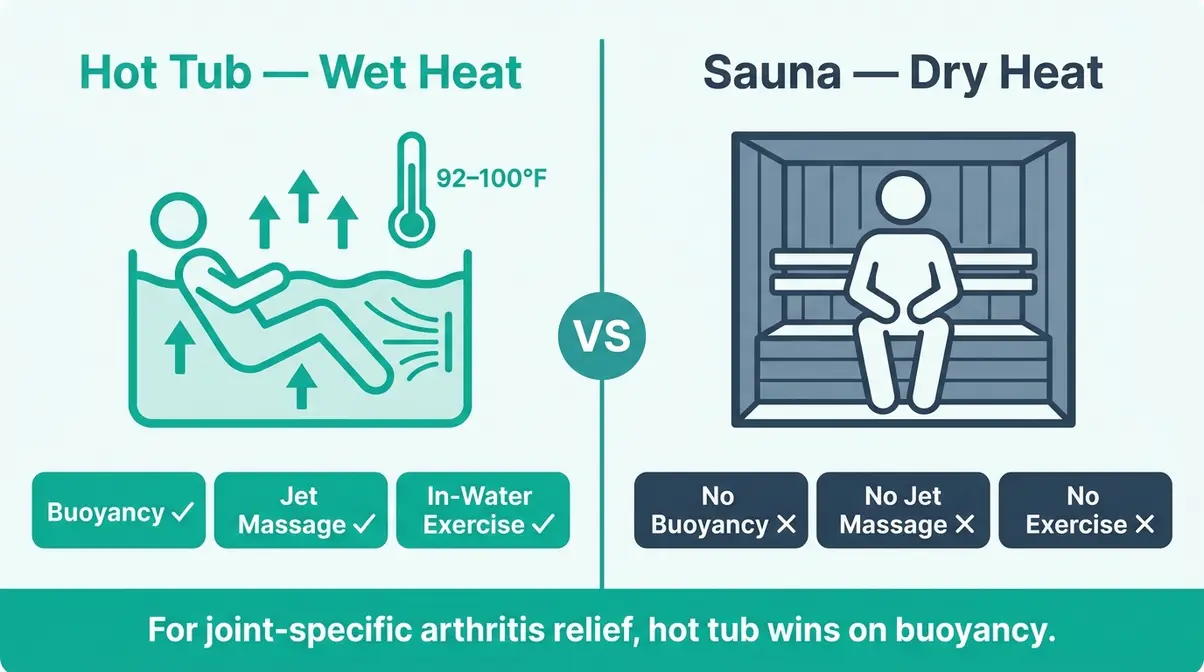
Hot Tub vs. Sauna for Arthritis
The comparison between hot tubs and saunas for arthritis relief is one of the most common questions arthritis patients ask — and the honest answer is that they serve different purposes rather than one being categorically superior.
Wet Heat vs. Dry Heat
| Feature | Hot Tub (Wet Heat) | Sauna (Dry Heat) |
|---|---|---|
| Heat type | Wet heat (100% humidity) | Dry heat (5–20% humidity) |
| Buoyancy | Yes — up to 90% joint load reduction | No — full body weight maintained |
| Jet massage | Yes — targeted hydrodynamic pressure | No |
| Temperature range | 92–104°F (recommended: 92–100°F) | 150–195°F |
| Session duration | 15–20 minutes | 10–20 minutes |
| Exercise possible | Yes — range-of-motion exercises in water | No |
| Cardiovascular load | Moderate | Moderate-to-high |
| Best for | Joint pain, stiffness, mobility | Muscle relaxation, systemic circulation |
| RA flare risk | Moderate (manage temperature carefully) | Higher (extreme heat may aggravate) |
The fundamental distinction is buoyancy. A sauna delivers heat and induces vasodilation, but it cannot unload your joints. You sit or recline in a sauna at full gravitational load. A hot tub allows movement — gentle exercises, stretches, and mobilizations — that the combination of buoyancy and heat makes possible and comfortable. This is why The Triple Therapy Effect is unique to aquatic therapy: only warm water immersion combines all three mechanisms.
Wet heat also penetrates tissue differently than dry heat. The moisture in steam and warm water conducts heat more efficiently than dry air at the same temperature, meaning the therapeutic temperature reaches deeper tissue layers more quickly in a hot tub than in a sauna operating at a nominally higher temperature.
When a Sauna is Better
Intellectual honesty requires acknowledging that saunas have legitimate advantages in specific scenarios. A PubMed-indexed Finnish study found that regular sauna use (4–7 sessions per week) was associated with reduced cardiovascular mortality and systemic inflammation markers — benefits that go beyond joint-specific relief (Laukkanen et al., JAMA Internal Medicine, 2015).
For arthritis patients who also have significant cardiovascular risk factors, the sauna’s cardiovascular conditioning effect may offer complementary benefits. Additionally, individuals with skin conditions that worsen with prolonged water immersion, or those who find the humidity of a hot tub uncomfortable, may tolerate a sauna better.
The practical guidance: if your primary goal is joint pain relief, mobility improvement, and the ability to exercise during the session, a hot tub is the superior choice. If cardiovascular conditioning and deep systemic relaxation are co-equal priorities, a sauna can be a valuable complement — or alternative for days when hot tub access is unavailable.
How to Use a Hot Tub Safely
Safe, effective hydrotherapy for arthritis is not complicated — but it does require following specific parameters that differ from recreational hot tub use. The protocols below reflect Arthritis Foundation guidance and current clinical practice.
Temperature and Duration Matrix
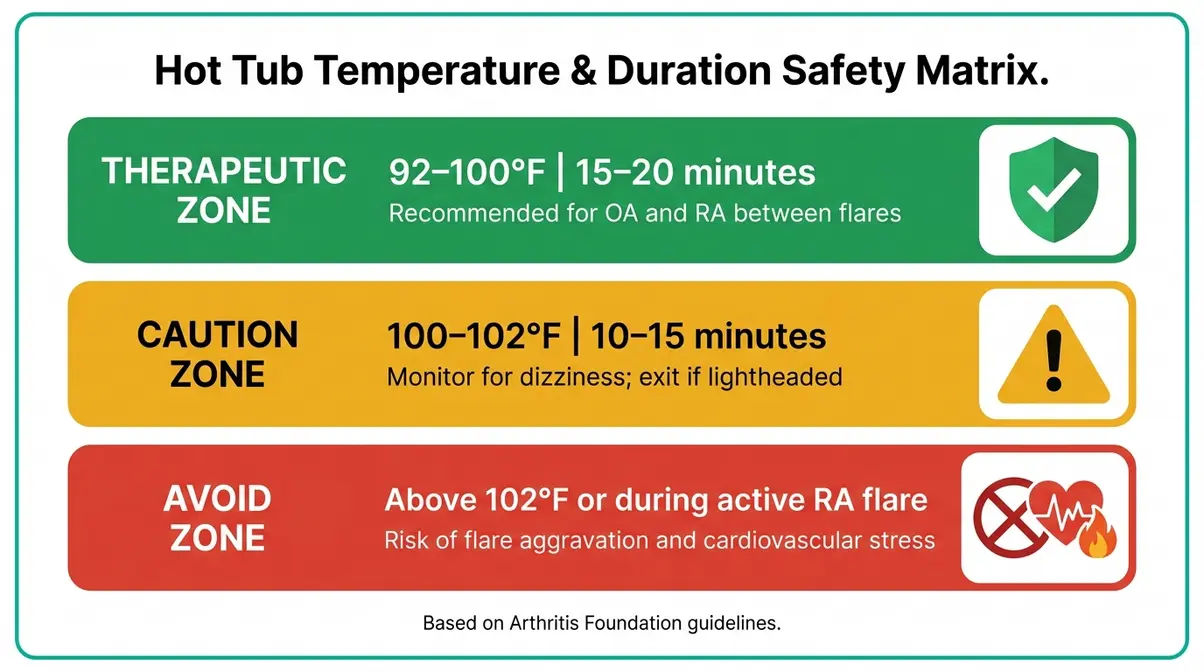
| Zone | Temperature | Duration | Who It’s For | Cautions |
|---|---|---|---|---|
| 🟢 Therapeutic | 92–100°F | 15–20 min | OA patients; RA between flares | Optimal for most arthritis patients |
| 🟡 Caution | 100–102°F | 10–15 min | Healthy adults without RA | Monitor for dizziness; exit if lightheaded |
| 🔴 Avoid | Above 102°F | Any duration | Anyone with arthritis | Risk of flare aggravation, cardiovascular stress |
| 🔴 Avoid | Any temp | During RA flare | RA patients | Active flare requires rest, not heat |
- Before every session, follow this protocol:
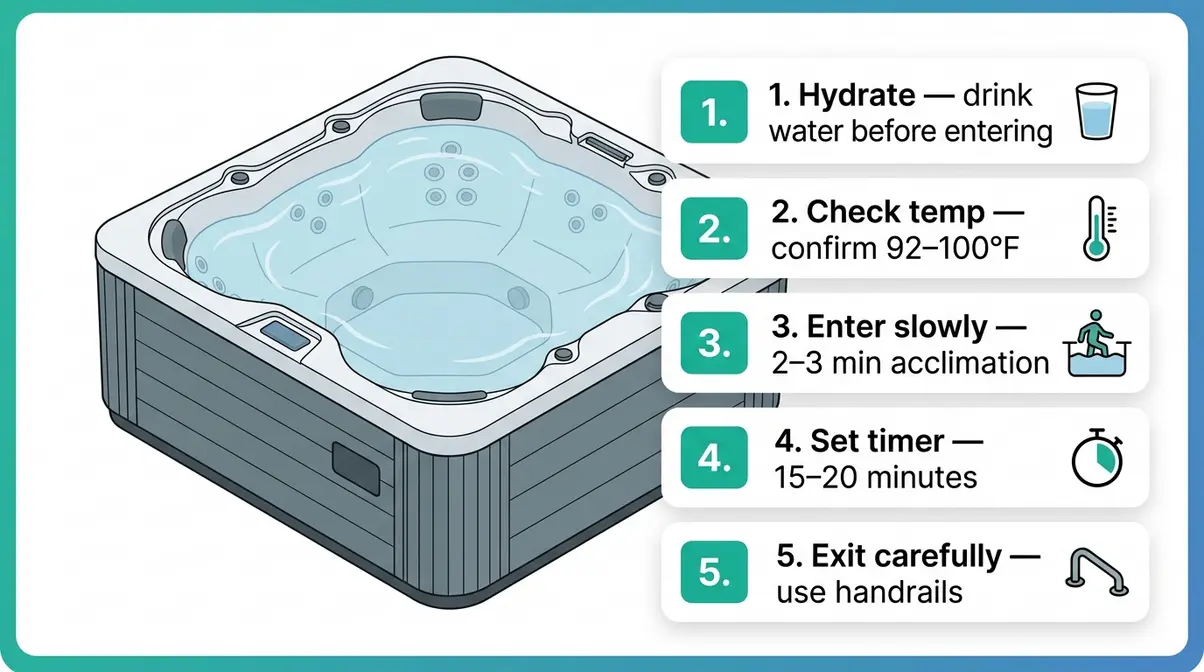
- Hydrate — drink a full glass of water before entering, as warm water immersion increases perspiration and fluid loss
- Check temperature — confirm water is within the 92–100°F therapeutic range using the tub’s thermostat
- Enter slowly — allow your body 2–3 minutes to acclimate before activating jets
- Set a timer — 15–20 minutes is the evidence-based target; longer sessions increase cardiovascular load without additional joint benefit
- Exit carefully — use handrails; warm water can cause a temporary drop in blood pressure, increasing fall risk. Reviewing essential hot tub safety tips is highly recommended.
Six Hydrotherapy Exercises
- Prerequisites before starting:
- Water temperature set to 92–100°F
- You are NOT in an active RA flare
- You have physician clearance for gentle exercise
- A non-slip mat is in place at the hot tub exit
- Estimated session time: 20–25 minutes total (5-minute warm-up soak + exercises + 5-minute cool-down soak)
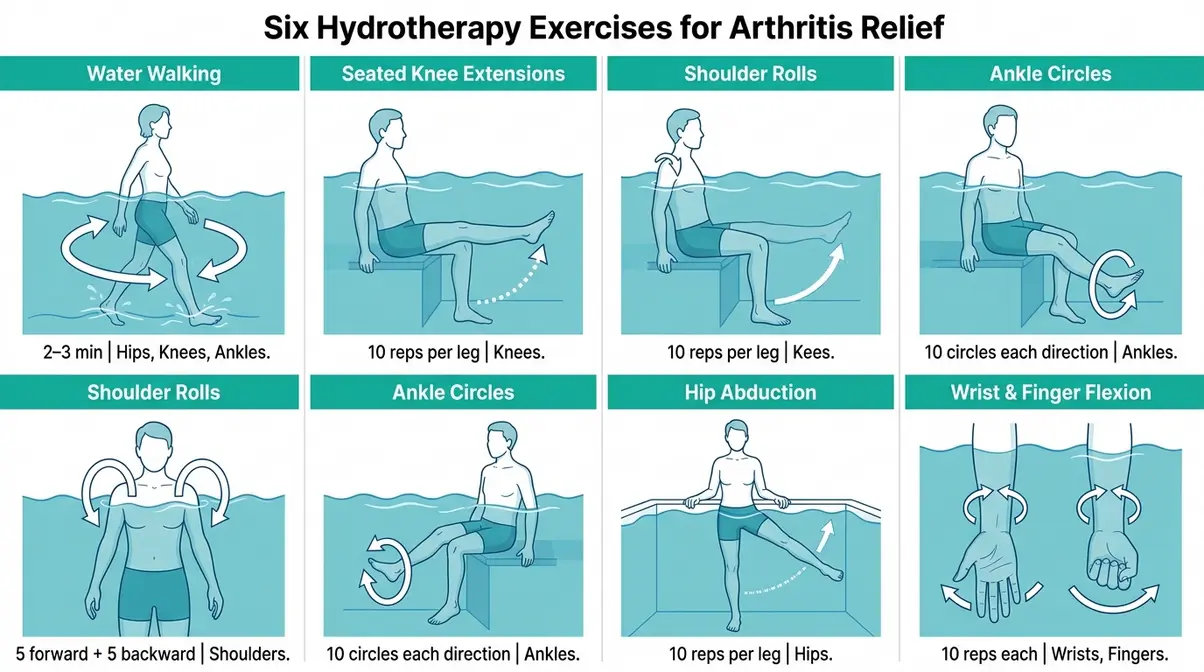
- Exercise 1: Water Walking
- Stand in the hot tub (depth: waist to chest) and walk in place or in small circles, lifting your feet off the floor with each step.
- Reps/Duration: 2–3 minutes continuous
- Target joints: Hips, knees, ankles
- Why it works: Buoyancy reduces impact load while the resistance of moving through water gently strengthens the surrounding musculature
- Exercise 2: Seated Knee Extensions
- Sit on the hot tub bench with feet flat on the floor. Slowly straighten one knee until the leg is extended, hold 3 seconds, then lower. Alternate legs.
- Reps/Duration: 10 repetitions per leg
- Target joints: Knees
- Why it works: Activates the quadriceps (front thigh muscle) that support and stabilize the knee joint, reducing long-term arthritis progression
- Exercise 3: Shoulder Rolls
- Stand or sit with shoulders submerged. Roll both shoulders forward in slow, full circles for 30 seconds, then reverse direction.
- Reps/Duration: 5 forward, 5 backward circles
- Target joints: Shoulders, upper spine
- Why it works: Mobilizes the glenohumeral joint and surrounding musculature; the warm water reduces the resistance that makes this movement painful on land
- Exercise 4: Ankle Circles
- Sit on the bench. Lift one foot slightly off the floor and rotate the ankle in full circles — 10 times clockwise, 10 times counterclockwise. Repeat with the other foot.
- Reps/Duration: 10 circles each direction, each ankle
- Target joints: Ankles, feet
- Why it works: Maintains range of motion in the talocrural joint (ankle joint) and reduces morning stiffness in foot arthritis
- Exercise 5: Hip Abduction (Side Leg Raises)
- Stand holding the hot tub edge for balance. Slowly raise one leg out to the side to approximately 45 degrees, hold 2 seconds, then lower. Keep both knees soft (slightly bent).
- Reps/Duration: 10 repetitions per leg
- Target joints: Hips
- Why it works: Strengthens the hip abductor muscles (gluteus medius), which are critical for reducing compressive load on the hip joint during walking
- Exercise 6: Wrist and Finger Flexion
- Submerge both hands to wrist depth. Slowly open and close your fists 10 times, then make slow wrist circles — 10 clockwise, 10 counterclockwise.
- Reps/Duration: 10 repetitions of each movement
- Target joints: Wrists, fingers, hand joints
- Why it works: Particularly valuable for RA patients with hand involvement; warm water reduces the resistance that makes finger flexion painful during morning stiffness
After exercising: Remain in the hot tub for a final 3–5 minute passive soak to allow muscles to relax before exiting. Drink water immediately after exiting.
Jet Placement and Seating Tips
Jet placement is where therapeutic soaking diverges from recreational soaking. The goal is directing hydrodynamic pressure at the specific muscle groups surrounding your most affected joints — not simply sitting in the most comfortable position.
For knee and hip arthritis: Position yourself so that adjustable jets are directed at the quadriceps (front thigh), hamstrings (back thigh), and IT band (outer thigh). Avoid directing high-pressure jets directly at the knee joint itself; target the surrounding musculature instead.
For lower back and lumbar arthritis: Seat yourself with your lower back against a lumbar jet array. Maintain a neutral spine — avoid slumping. Many hot tubs have adjustable lumbar jets specifically for this purpose.
For neck and shoulder arthritis: Shoulder jets or adjustable neck jets should target the upper trapezius and cervical paraspinals. Keep your neck in neutral — ears aligned over shoulders — rather than resting your head back on the edge, which hyperextends the cervical spine.
Jacuzzi’s jet placement guidance provides manufacturer-specific recommendations for their jet configurations, but the above principles apply universally regardless of brand. Proper care is also essential, so maintaining your hot tub for longevity ensures your jets continue to provide optimal therapeutic pressure.
Tax Deductions and Insurance
This section answers the financial questions that every arthritis patient eventually asks — and that virtually every medical competitor ignores entirely. The answers have real implications for the affordability of hydrotherapy as a long-term treatment strategy.
IRS Tax Deductions (Pub 502)
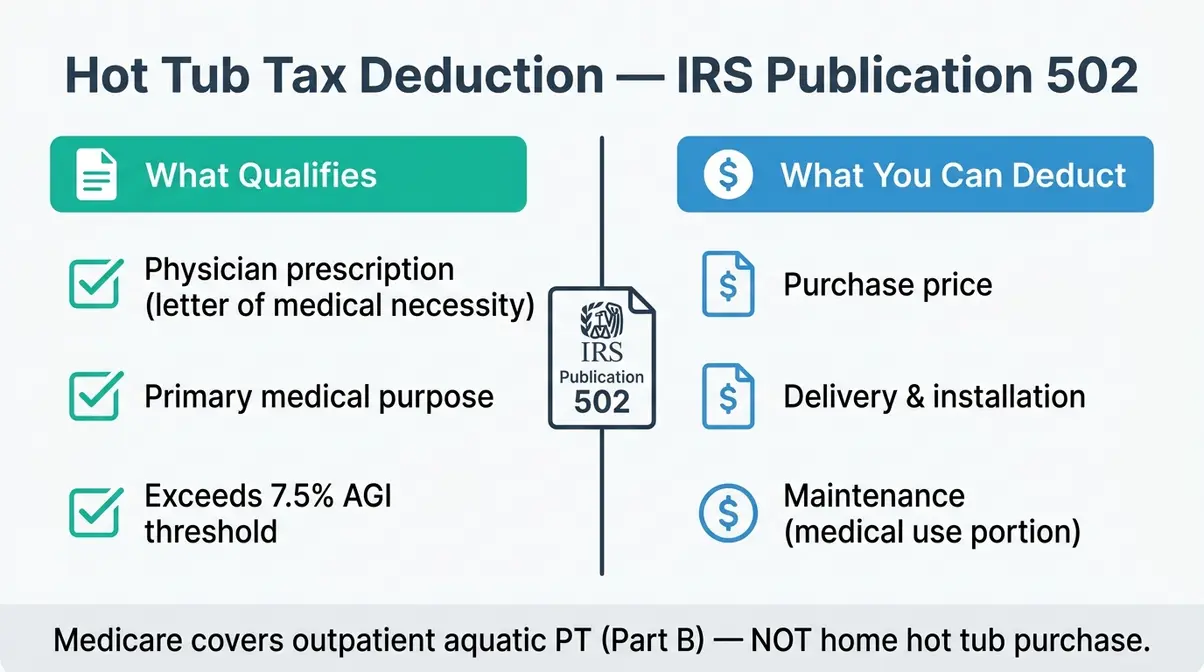
Yes — under specific conditions, a hot tub purchased primarily for medical treatment can be deducted as a medical expense under IRS Publication 502. The IRS allows deductions for medical equipment and treatments that are prescribed by a physician for the treatment of a specific diagnosed condition — and hydrotherapy for arthritis can qualify.
The three conditions that must be met:
- Physician prescription: Your doctor must write a letter or prescription stating that hydrotherapy is medically necessary for your diagnosed condition (e.g., rheumatoid arthritis, osteoarthritis). This documentation is essential — without it, the deduction will not survive an audit.
- Primary purpose: The hot tub must be purchased primarily for medical use, not primarily for recreation. The IRS may scrutinize this distinction, particularly for high-end models with extensive recreational features. A dedicated therapeutic model with documented medical justification is more defensible.
- Threshold: Medical expenses are only deductible to the extent they exceed 7.5% of your adjusted gross income (AGI) in the tax year of purchase (IRS, 2026). The full cost of the hot tub — including installation — may be included in the calculation.
What you can deduct: The purchase price, delivery, and installation costs. If the hot tub increases your home’s value, only the portion of cost exceeding the value increase is deductible. Consult a tax professional for your specific situation.
- Action steps:
- Get a written prescription or letter of medical necessity from your rheumatologist or physician before purchasing
- Keep all receipts (purchase, delivery, installation, maintenance directly related to medical use)
- Calculate your AGI and the 7.5% threshold to determine your deductible amount
- File using Schedule A (Itemized Deductions) — the deduction is not available if you take the standard deduction
Medicare and Hydrotherapy
The direct answer is nuanced: Medicare does not typically cover the purchase of a home hot tub, even with a physician prescription. However, Medicare Part B does cover medically necessary outpatient hydrotherapy or aquatic physical therapy when administered by a licensed physical therapist at an approved facility.
- What Medicare covers:
- Outpatient aquatic physical therapy at a certified facility (Part B — 80% after deductible)
- Medically necessary physical therapy including hydrotherapy modalities prescribed by a physician
- What Medicare does not cover:
- Home hot tub purchase or installation
- Recreational or wellness spa memberships
- Maintenance costs
Practical pathway: If you are a Medicare beneficiary, the most cost-effective approach may be to begin with covered outpatient aquatic physical therapy to document your response to hydrotherapy, then use that clinical documentation — combined with IRS Publication 502 — to support a tax deduction when purchasing a home unit. Consult the official Medicare.gov website and a benefits counselor for current coverage determinations, as policies are subject to annual revision.
Risks and Precautions
A complete medical guide requires honest discussion of when hot tub therapy is contraindicated (medically inadvisable) or requires modification. This section reflects the balanced perspective that YMYL content demands.
Common Pitfalls to Avoid
Pitfall 1: Using the hot tub during an active RA flare
What goes wrong: Heat increases blood flow to already-inflamed joints, potentially worsening swelling, pain, and tissue damage during an acute flare.
How to avoid: Wait until the flare has fully resolved. During a flare, cold therapy (ice packs, cool compresses) is generally more appropriate. Resume hot tub use only after symptoms return to your baseline.
Pitfall 2: Water temperature above 100°F
What goes wrong: Temperatures above 102°F can cause rapid vasodilation, dropping blood pressure and increasing the risk of dizziness, fainting, and falls — particularly dangerous for older adults. High temperatures also increase cardiovascular strain.
How to avoid: Set and verify water temperature at 92–100°F before every session. Do not rely on manufacturer presets, which may be calibrated for recreational use at higher temperatures.
Pitfall 3: Sessions exceeding 20 minutes without breaks
What goes wrong: Prolonged immersion in warm water increases core body temperature, fluid loss through perspiration, and cardiovascular workload — all of which compound over time without the marginal joint benefit of the first 20 minutes.
How to avoid: Use a timer. If you want a longer session, exit for 10–15 minutes, rehydrate, and re-enter for a second 15-minute session.
Pitfall 4: Entering the hot tub after alcohol consumption
What goes wrong: Alcohol is a vasodilator and impairs thermoregulation. Combined with the vasodilating effect of warm water, alcohol significantly increases the risk of dangerous drops in blood pressure, heat stroke, and drowning.
How to avoid: Never use a hot tub after consuming alcohol. This is a hard contraindication, not a caution.
- Medical contraindications — consult your physician if you have:
- Uncontrolled hypertension (high blood pressure) or recent cardiac event
- Pregnancy (hot tubs above 101°F are contraindicated in pregnancy)
- Open wounds, skin infections, or active dermatitis
- Severe peripheral neuropathy (reduced sensation may prevent recognizing dangerous overheating)
- Diabetes with poor circulation or autonomic neuropathy
Choosing Alternative Treatments
Hot tub hydrotherapy is not the right choice for every arthritis patient in every situation. Honest guidance means naming when alternatives serve you better.
Severe joint deformity or instability: Patients with advanced joint deformity who cannot safely enter or exit a hot tub without risk of fall should explore pool-based aquatic physical therapy at a supervised facility, where therapist assistance and pool lifts are available.
Post-surgical recovery: Following joint replacement surgery, the timing and type of hydrotherapy is strictly governed by your surgeon’s protocol. Do not use a home hot tub until cleared by your surgical team — typically several weeks post-operatively, after wound closure is confirmed.
When to seek expert help: If your arthritis symptoms are worsening despite conservative management, or if you experience new symptoms (fever, rapidly increasing joint swelling, loss of function), consult your rheumatologist before continuing any home therapy. For patients with complex multijoint involvement or significant comorbidities, a physical therapist can design a supervised aquatic therapy program that is safer and more targeted than unsupervised home hot tub use. Southwest Florida Rheumatology’s guidance on RA provides a useful clinical perspective on when professional supervision is warranted.
Stopping an Arthritis Flare
The fastest evidence-based response to an arthritis flare is rest, cold therapy, and physician contact — not heat. Apply ice packs or cooling compresses to acutely inflamed joints for 15–20 minutes several times daily. Avoid the hot tub during an active RA flare, as heat can worsen acute inflammation.
Anti-inflammatory medications (NSAIDs or prescribed disease-modifying agents for RA) are typically the pharmacological first line. A specific example: during a knee flare, elevate the joint, apply a cold pack wrapped in a thin towel, and contact your rheumatologist if swelling increases or fever develops. The Arthritis Foundation’s flare management guidelines recommend resuming hot tub therapy only after the flare has fully resolved.
Frequently Asked Questions
Do Hot Tubs Really Help?
Yes, hot tubs genuinely help with arthritis — and the evidence is well-established. A Cochrane systematic review found statistically significant improvements in pain, functional ability, and morning stiffness in rheumatoid arthritis patients using balneotherapy (warm water spa therapy). The benefit comes from three simultaneous mechanisms — buoyancy reducing joint load by up to 90% (CDC), heat increasing circulation, and jet massage targeting specific muscles. Results are most consistent with regular use (3–5 sessions per week) at the recommended temperature range of 92–100°F.
What is the worst enemy of arthritis?
Inactivity is among the most damaging forces for arthritic joints — a finding consistently supported by rheumatology research. Prolonged immobility accelerates cartilage degradation, weakens the surrounding musculature that supports joints, and increases stiffness. Warm water exercise — which enables movement while minimizing joint load — directly addresses the inactivity problem while reducing the impact of excess body weight.
Old Natural Remedies
Warm water therapy has been used as a natural arthritis remedy for thousands of years — from ancient Roman baths to Japanese onsen (hot spring bathing). Historical natural remedies include warm mineral spring bathing (balneotherapy), turmeric, ginger, omega-3 fatty acid supplementation, and topical capsaicin. Among these, warm water immersion has the strongest modern clinical evidence base. The Cochrane review and Arthritis Foundation endorsement reflect centuries of empirical use now confirmed by controlled trials. Always discuss natural remedies with your physician before combining them with prescription medications.
Global Warm Water Traditions
Many cultures have long traditions of therapeutic warm water use for joint pain. Japanese onsen (geothermal hot spring bathing) is a centuries-old practice specifically associated with arthritis and musculoskeletal relief, with modern studies confirming beneficial effects on pain and functional capacity in OA patients. Turkish hamam (steam bath) and Scandinavian sauna culture similarly reflect empirical traditions of heat-based joint therapy. These traditions share a common insight: consistent, gentle heat application and movement are more effective than episodic treatment.
Final Assessment of Hydrotherapy
For adults managing arthritis daily, hot tub for arthritis relief represents one of the most evidence-supported, non-pharmacological interventions available for home use. The Cochrane evidence base is solid, the Arthritis Foundation endorsement is unambiguous, and the physiological mechanisms are well understood. What distinguishes this from other wellness claims is the convergence of multiple independent lines of evidence pointing to the same conclusion: warm water immersion reliably reduces pain, improves function, and enhances quality of life for both osteoarthritis and rheumatoid arthritis patients.
The Triple Therapy Effect — the simultaneous delivery of buoyancy, heat, and targeted jet massage — is what makes hot tub hydrotherapy uniquely powerful. No sauna, heating pad, or land-based exercise can unload your joints by 90% while simultaneously increasing circulation and massaging the surrounding musculature. The framework matters because it helps you understand why the therapy works, not just that it does — and that understanding helps you use it more strategically, with the right temperature, duration, and exercises for your specific condition.
The next step is practical: speak with your rheumatologist or physical therapist about incorporating hydrotherapy into your treatment plan. Bring the temperature and duration guidelines from this article. Ask specifically about a letter of medical necessity if you are considering a home hot tub purchase — that single document unlocks potential IRS tax deductions that can meaningfully reduce the cost of long-term therapeutic access. Start with three sessions per week at 92–98°F, incorporate the six exercises above, and reassess your pain and stiffness scores after four weeks. The evidence suggests you will notice a difference.