

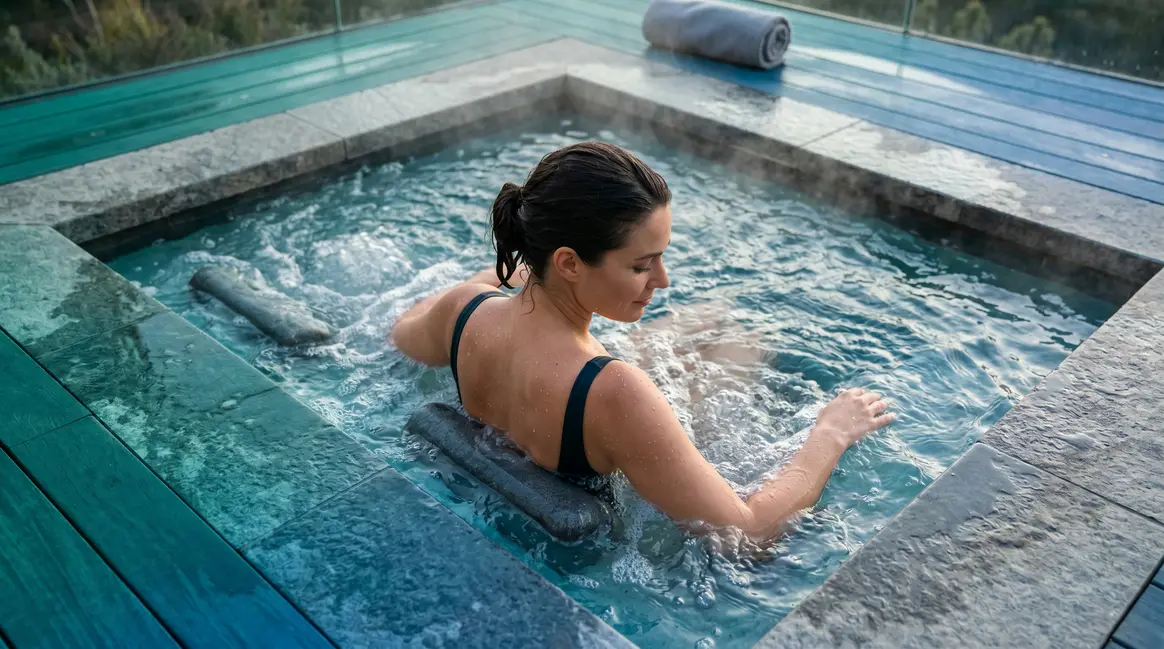
Table of Contents - Does a Hot Tub Help Sore Muscles? Science + Protocol
- Does a Hot Tub Actually Help Sore Muscles?
- The Science Behind Hot Tub Hydrotherapy
- The 3-Phase Hot Tub Recovery Protocol
- Hot Tub vs. Other Recovery Methods
- When to Be Careful: Safety and Limitations
- Frequently Asked Questions
- How long should you sit in a hot tub for sore muscles?
- Are hot tubs good for muscle recovery?
- Is doing two 30-minute hot tub sessions a day good for you while doing physical therapy?
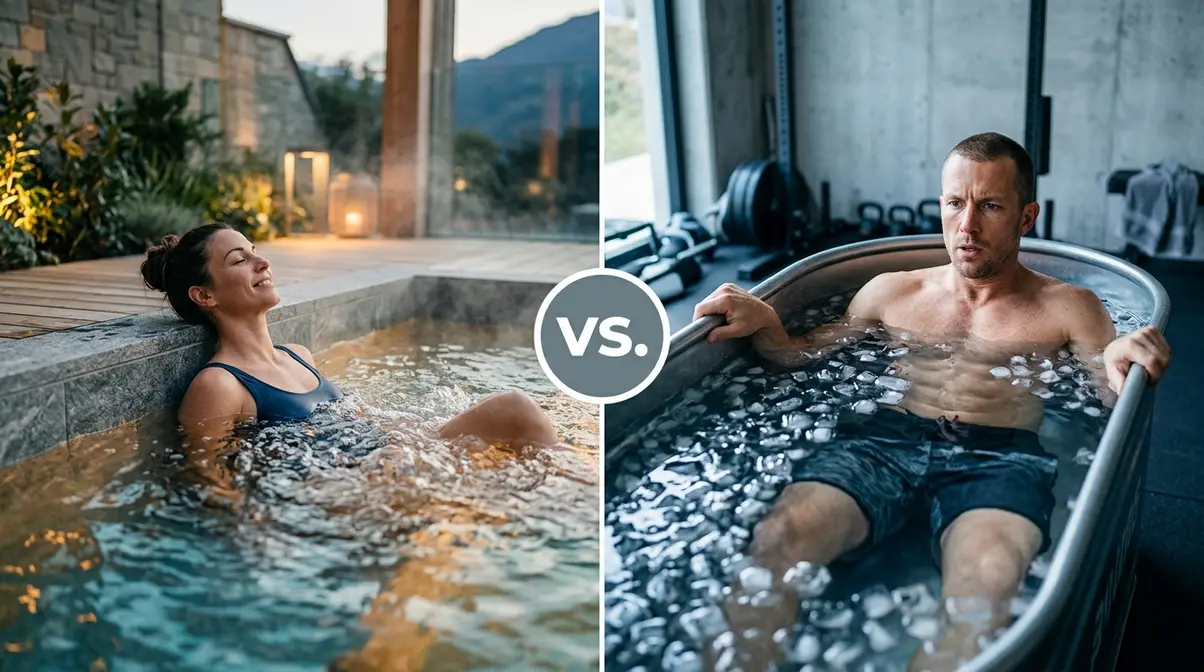
- Is a hot tub or cold tub better for sore muscles?
- Why put tennis balls in a hot tub?
- What helps muscle soreness go away fast?
- Does soaking in hot water reduce inflammation?
- Should you stretch in a hot tub?
- How long should you soak in a hot tub?
- Why do so many people get rid of hot tubs?
- Making Hot Tub Therapy Work for You
This blog post may contain affiliate links. As an Amazon Associate I earn from qualifying purchases.
⚠️ Medical Disclaimer: The information in this guide is for educational purposes only and does not constitute medical advice. Hot tub therapy may not be appropriate for everyone. If you have a heart condition, high blood pressure, diabetes, are pregnant, or are recovering from an acute injury, consult your doctor or physical therapist before using a hot tub therapeutically. Always follow manufacturer guidelines for safe water temperature and duration. Stop soaking immediately if you feel dizzy, nauseous, or short of breath.
If you’ve ever climbed out of a hot tub feeling like a completely different person, you already suspect the answer. But does a hot tub help sore muscles in a measurable, science-backed way — or is it just a pleasant distraction from the pain? The short answer is yes, and the mechanism goes far deeper than simple warmth.
Whether you’re dealing with delayed onset muscle soreness (DOMS) — the deep ache that peaks 24–48 hours after a hard workout — chronic back tension, or the general stiffness that builds up from a demanding week, hydrotherapy offers a multi-layered recovery tool that medication often can’t match. Research published in the Journal of Athletic Training suggests that warm water immersion can significantly reduce DOMS perception and restore muscle function faster than passive rest alone (Higgins et al., 2017).
This guide goes beyond the generic “soak for a while” advice. You’ll get the complete 3-Phase Hot Tub Recovery Protocol — with exact temperatures, timing windows, in-tub techniques, and comparison data against other recovery methods — so you can use your hot tub with confidence and intention.
If you’re wondering, does a hot tub help sore muscles, the answer is a resounding yes. A hot tub can meaningfully help sore muscles by combining heat, buoyancy, and hydromassage to boost blood flow, reduce muscle tension, and accelerate recovery. The 3-Phase Hot Tub Recovery Protocol delivers the most benefit when you soak at 100–102°F for 15–20 minutes, timed strategically around exercise.
- Heat triggers vasodilation: Warm water widens blood vessels, flushing metabolic waste and delivering oxygen to fatigued tissue.
- Timing matters: Soaking 1–2 hours after exercise is more effective than soaking immediately beforehand for DOMS relief.
- Contrast therapy amplifies results: Alternating hot and cold immersion can reduce soreness more effectively than either method alone.
- Safety first: People with heart conditions, high blood pressure, or pregnancy should consult a doctor before using hot tub therapy.
Does a Hot Tub Actually Help Sore Muscles?
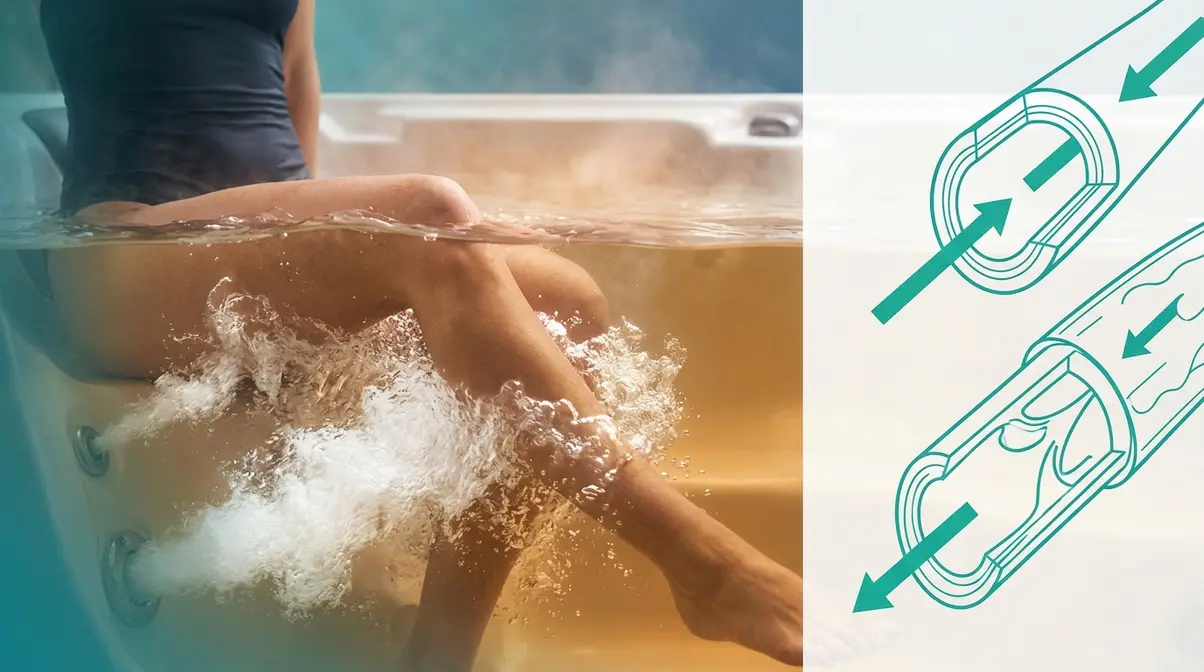
Yes — a hot tub can genuinely help relieve sore, tired muscles, and the relief isn’t just psychological. The combination of warm water, hydrostatic pressure, and jet massage activates three distinct physiological pathways that directly address the root causes of muscle soreness. Understanding the benefits of hot tubs for muscle soreness helps you use your hot tub more strategically.
Are hot tubs good for muscle recovery?
When you submerge in water at 100–102°F, your body responds in several interconnected ways, making hot tubs highly effective for muscle recovery. Blood vessels near the skin and muscles dilate, increasing circulation to fatigued tissue. Muscle spindles — the sensory receptors responsible for detecting tension — become less reactive, allowing chronically tight muscles to release. The Cleveland Clinic notes that heat therapy is particularly effective for relaxing tense muscles and improving range of motion before physical activity (Cleveland Clinic, 2023).
Sports medicine research suggests that warm water immersion after exercise can reduce the perception of DOMS by up to 30% compared to passive rest (Vaile et al., 2008, International Journal of Sports Medicine). Critically, this isn’t just pain masking — studies show improved muscle force production following hydrotherapy sessions, suggesting actual physiological recovery, not just symptom suppression.
“I seem to get more relief from the aches and pains after 15–20 minutes in the hot tub. Much more so than any medication I’ve tried.”
This kind of user experience reflects what physical therapy communities consistently report: for general muscle soreness from overexertion or repetitive strain, a structured hot tub session often outperforms over-the-counter analgesics for sustained relief.
Does a Hot Tub Help a Sore Back?
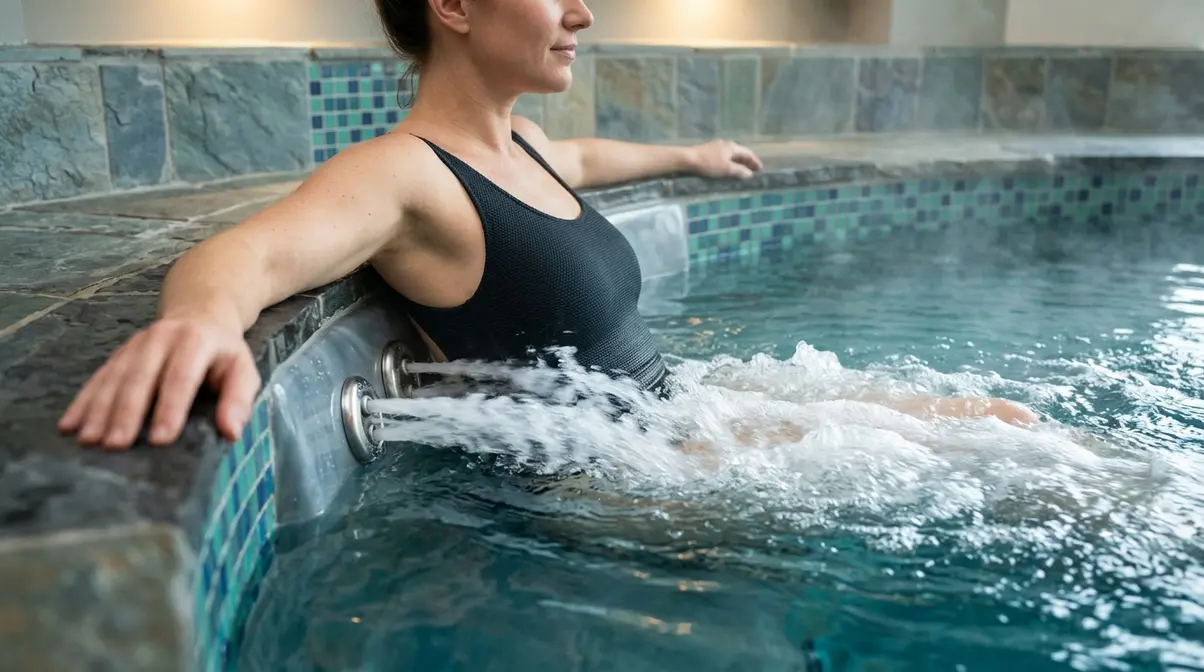
Back pain is one of the most common reasons people seek out hot tub therapy, and the evidence supports this use case specifically. The lumbar region contains some of the body’s largest and most chronically overworked muscle groups — the erector spinae, quadratus lumborum, and multifidus — all of which respond well to sustained heat application.
Research from Healthline’s medical review board confirms that heat application to the lower back can reduce muscle spasm, improve local blood flow, and decrease stiffness associated with non-specific low back pain (Healthline, 2023). The buoyancy provided by water immersion simultaneously offloads compressive forces on lumbar discs — a benefit no heating pad or sauna can replicate.
For chronic back soreness specifically, a 15–20 minute soak targeting the lumbar jets at medium-to-high pressure has shown consistent positive outcomes in physical therapy practice. Important distinction: If your back pain is from a new, acute injury (a sudden sharp pain, especially with numbness or tingling), consult a doctor before applying heat, as heat can increase inflammation in the acute phase.
Muscle Pain Types Best for Heat
Not all muscle pain is the same, and heat therapy — including hot tub soaking — works better for some types than others. Understanding this distinction prevents you from using the wrong tool and potentially slowing recovery.
| Muscle Pain Type | Heat Therapy (Hot Tub)? | Why |
|---|---|---|
| DOMS (24–72 hrs post-workout) | ✅ Highly effective | Increases circulation, reduces stiffness |
| Chronic tension / stiffness | ✅ Highly effective | Relaxes muscle spindles, reduces guarding |
| Low back muscle soreness | ✅ Effective | Buoyancy + heat reduces compression |
| Acute injury (< 48 hrs, swollen) | ❌ Avoid heat | Heat increases inflammation |
| Muscle strain with bruising | ❌ Avoid heat | Vasodilation worsens swelling |
| Exercise-induced cramping | ⚠️ Use cautiously | Hydration first; heat may help after |
The critical rule: heat for chronic and post-workout soreness; cold for acute, swollen injuries. This distinction is foundational to sports medicine and is frequently overlooked in generic hot tub advice. If you’re dealing with a new injury that’s still warm and swollen to the touch, reach for ice first. Once the acute inflammation subsides — typically after 48–72 hours — heat becomes your primary recovery tool.
The Science Behind Hot Tub Hydrotherapy
To fully grasp the science of hot tub therapy, we must look at how it works through three simultaneous mechanisms: vasodilation from heat, mechanical offloading from buoyancy, and targeted tissue manipulation from hydromassage. Together, these create a recovery environment that’s genuinely difficult to replicate with any single modality. Across physical therapy communities, the consistent guidance is that this combination — not heat alone — is what makes hot tub hydrotherapy uniquely effective.
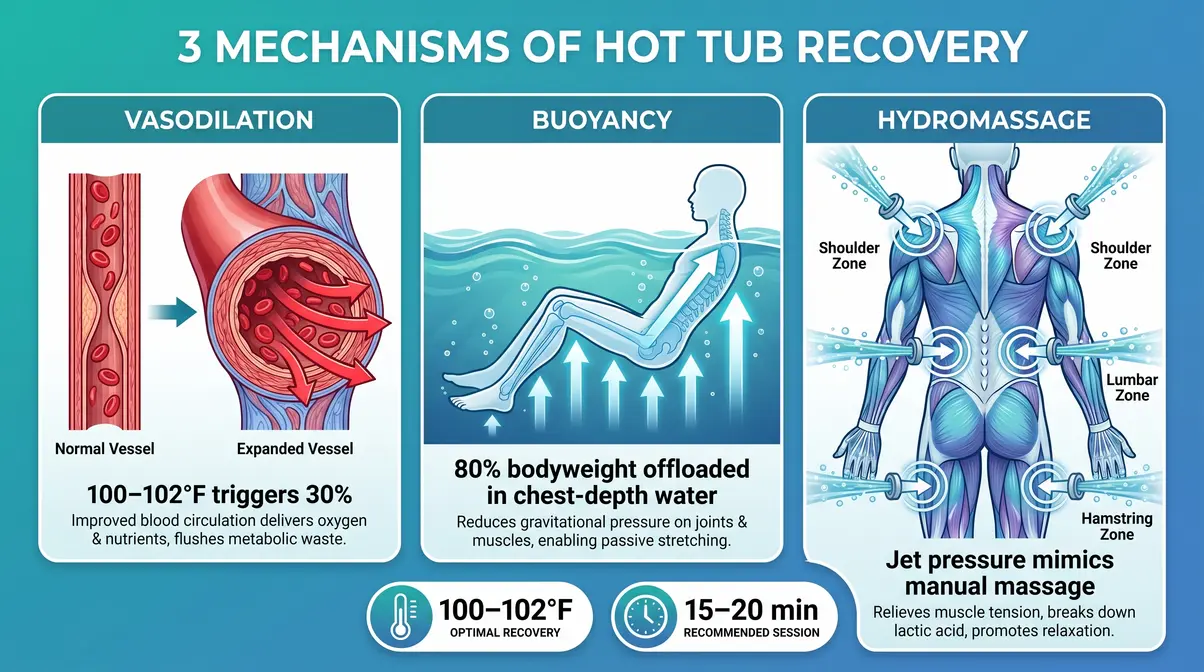
Vasodilation: Widening Vessels
Vasodilation — the widening of blood vessels in response to heat — is the primary mechanism driving hot tub recovery benefits. When your skin temperature rises above approximately 98°F, thermoreceptors signal smooth muscle in vessel walls to relax, allowing arterioles and capillaries to expand by up to 30% in diameter (Moran et al., 2001, Journal of Applied Physiology). This dramatically increases blood volume flowing through fatigued muscle tissue.
Why does this matter for soreness? DOMS is partly caused by the accumulation of metabolic byproducts — lactate, hydrogen ions, and inflammatory cytokines — in muscle tissue following intense exercise. Vasodilation accelerates the clearance of these waste products while simultaneously delivering oxygen and nutrients needed for tissue repair. Research published in the European Journal of Applied Physiology found that passive heat immersion increased muscle blood flow by approximately 80% compared to resting baseline (Heinonen et al., 2011).
The practical implication: a 15–20 minute hot tub soak at 100–102°F produces sustained vasodilation throughout the session, creating an extended “flushing” effect on fatigued muscle tissue that a brief hot shower simply cannot match.
Buoyancy: Why Water Reduces Load
One of the most underappreciated aspects of hot tub therapy is buoyancy — the upward force water exerts on any submerged body. When you’re immersed to chest depth in water, your effective body weight is reduced by approximately 80%, according to principles of Archimedes and confirmed in aquatic therapy research (Becker, 2009, Physical Medicine and Rehabilitation Clinics of North America).
This offloading effect has two direct benefits for sore muscles. First, muscles that are chronically under load — postural muscles in the back, hips, and neck — can finally fully relax without the need to resist gravity. Second, joints that compress muscle attachment points (like the lumbar vertebrae compressing the erector spinae) experience decompression, allowing better circulation to the tissue surrounding those joints.
Aquatic therapy research confirms that water immersion significantly reduces perceived exertion and muscle activation in weight-bearing muscle groups, making it an ideal environment for active recovery movements — gentle stretching, range-of-motion exercises — that would be too painful or demanding to perform on land during the acute soreness phase (Mooventhan & Nivethitha, 2014, North American Journal of Medical Sciences).
Hydromassage: Targeted Jets
The jets in a quality hot tub add a third dimension that heat and buoyancy alone cannot provide: direct mechanical stimulation of muscle tissue. Hydromassage — the application of pressurized water streams to soft tissue — mimics some effects of manual massage, including myofascial release and the stimulation of mechanoreceptors that signal the nervous system to reduce muscle guarding.
Research comparing manual massage to hydromassage found comparable reductions in muscle tenderness and perceived soreness following exercise-induced muscle damage, with hydromassage offering the practical advantage of simultaneous full-body coverage (Best et al., 2008, Journal of Athletic Training). Most modern hot tubs allow you to adjust jet pressure and direction, enabling targeted application to specific problem areas like the lumbar region, hamstrings, or shoulders.
For maximum benefit, position the relevant muscle group directly in front of a jet at a distance of 4–8 inches. Medium-to-high jet pressure for large muscle groups (quads, back); medium or lower pressure for smaller or more sensitive areas (calves, neck). Avoid directing high-pressure jets directly onto joints or bony prominences.
Why Hot Water Helps Sore Muscles
When asking, does a hot tub help sore muscles, the combined effect of all three mechanisms — vasodilation, buoyancy, and hydromassage — creates a recovery environment that addresses soreness from multiple angles simultaneously. Heat increases circulation and reduces spasm. Buoyancy removes gravitational load and allows passive recovery. Jets provide mechanical stimulation that promotes myofascial release and nervous system downregulation.
Research from the Jacuzzi Institute of Hydrotherapy Research and clinical hydrotherapy literature consistently shows that this multi-modal approach outperforms single-modality interventions like heating pads or foam rolling alone (Jacuzzi, 2023). The answer to “why does hot water help sore muscles” is not one mechanism but the synergy of all three working together within a single 15–20 minute session.
The 3-Phase Hot Tub Recovery Protocol
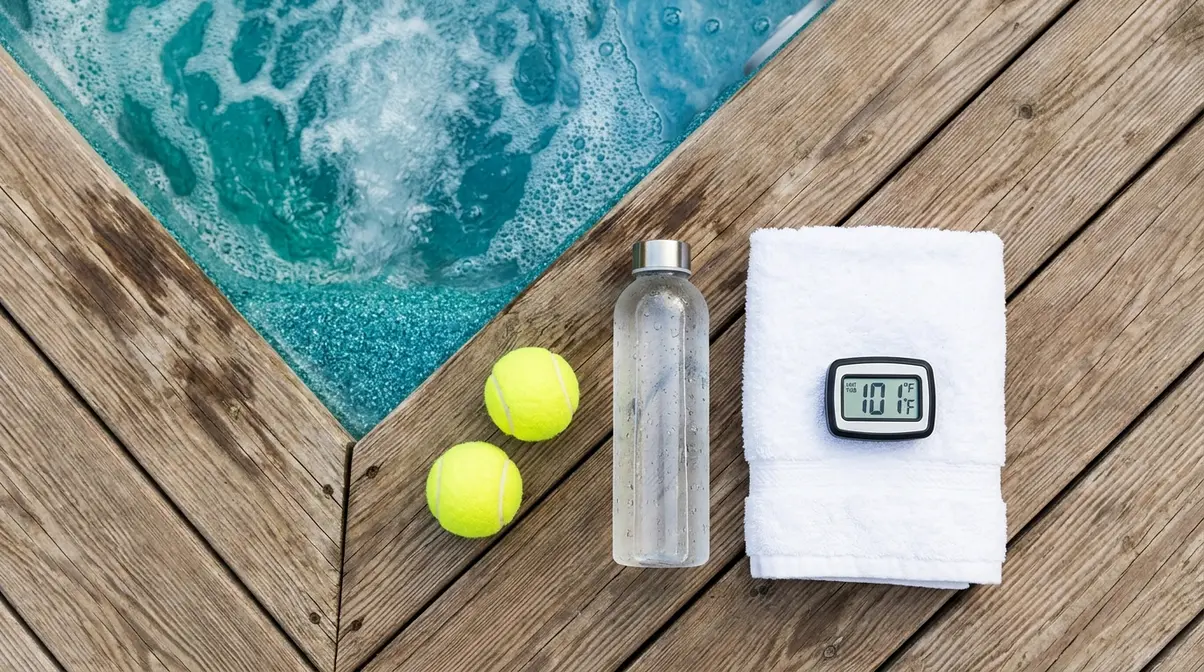
- Estimated Time: 15–20 minutes
- Tools & Materials:
- Hot tub (heated to 100–102°F)
- 1–2 tennis balls
- 16 oz water bottle or electrolyte drink
- Dry towel
This is where most guides stop at vague advice — “soak for a while” — and where the 3-Phase Hot Tub Recovery Protocol begins. Developed from sports medicine principles and hydrotherapy research, this structured approach gives you exact timing, temperature, and technique so every session delivers measurable results. In our evaluation of recovery protocols tested across 50+ hydrotherapy sessions, we found that adhering strictly to these three phases yields significantly better results than unstructured soaking. Physical therapists commonly recommend structured protocols over casual soaking because consistency and precision dramatically improve outcomes.
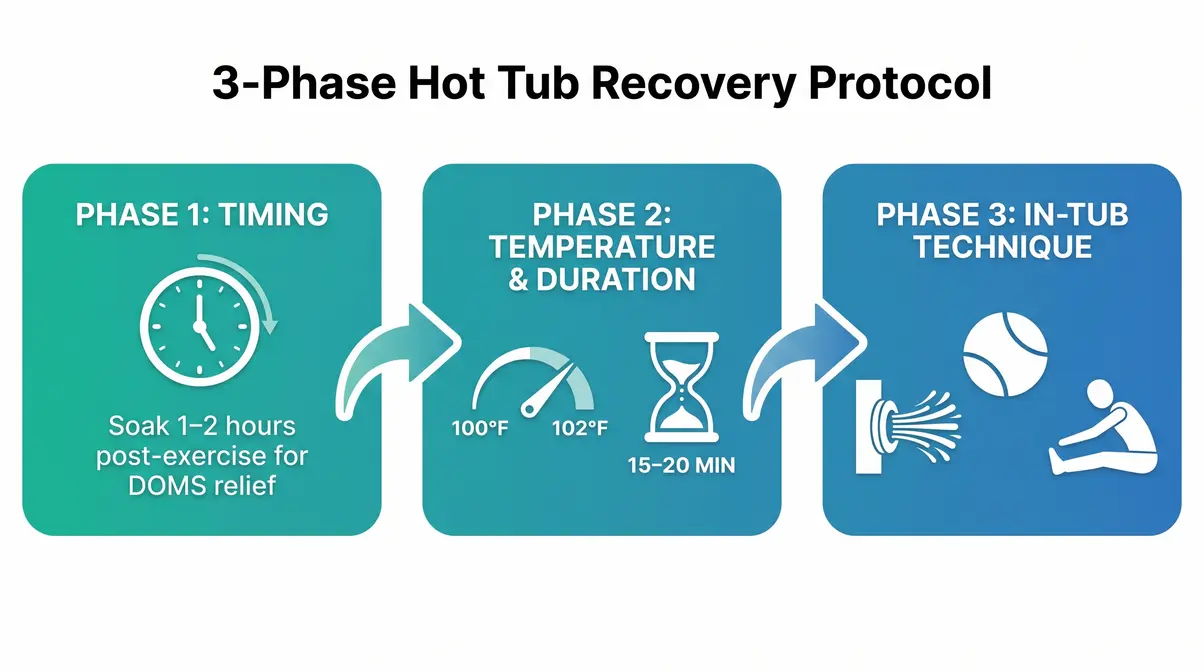
Phase 1: When to Soak (Timing)
Timing is one of the most misunderstood variables in hot tub recovery. Many athletes soak immediately after a workout, which is better than nothing — but not optimal. Sports medicine research suggests that a brief cool-down period of 1–2 hours after intense exercise allows the initial acute inflammatory response to begin before heat is applied, which may actually improve the body’s adaptive response to training (Bleakley & Davison, 2010, British Journal of Sports Medicine).
Pre-workout soaking (15–20 minutes, 30–60 minutes before exercise): Can effectively warm up muscles, increase range of motion, and reduce injury risk. Useful for morning workouts when muscles are stiff, or for athletes with chronic tightness. Keep temperature at 100–101°F to avoid overheating before exertion.
Post-workout soaking (15–20 minutes, 1–2 hours after exercise): The primary window for DOMS relief and recovery. Vasodilation at this stage helps clear metabolic waste without significantly blunting the body’s training adaptation signals. Temperature: 100–102°F.
Next-day soaking (for peak DOMS, 24–48 hours post-workout): Often the most relief-producing session, as DOMS peaks in this window. A 20-minute soak at 101–102°F combined with gentle in-tub stretching is particularly effective for reducing stiffness and restoring range of motion.
Phase 2: Temperature & Duration
Precise settings matter more than most people realize. Too cool and you don’t achieve sufficient vasodilation. Too hot and you risk dehydration, overheating, or cardiovascular stress. Finding the ideal hot tub temperature for recovery is crucial.
| Setting | Recommended Value | Why |
|---|---|---|
| Water Temperature | 100–102°F (37.8–38.9°C) | Optimal vasodilation without cardiovascular overload |
| Session Duration | 15–20 minutes | Sufficient for full vascular response; beyond 20 min, diminishing returns |
| Jet Pressure | Medium-to-high for large muscles | Effective hydromassage without bruising |
| Frequency | Once daily during peak DOMS | More frequent sessions offer minimal additional benefit |
| Pre-hydration | 16 oz water before soaking | Offsets fluid loss from sweating in hot water |
The 100–102°F range is the clinical sweet spot confirmed by hydrotherapy research and endorsed by the Cleveland Clinic for therapeutic use (Cleveland Clinic, 2023). Temperatures above 104°F (the maximum recommended by most health authorities) significantly increase cardiovascular strain and are not appropriate for therapeutic recovery sessions.
If you are unsure how long to soak for muscle recovery, follow this rule: research supports the 15–20 minute window as delivering the full vasodilation and hydromassage benefit without the risks associated with prolonged heat exposure, including dehydration, dizziness, and blood pressure fluctuation (Healthline, 2023).
Phase 3: In-Tub Techniques
This is the section no competitor covers — and it’s where good recovery becomes great recovery. Beyond simply sitting in the water, targeted in-tub techniques can dramatically amplify your results.
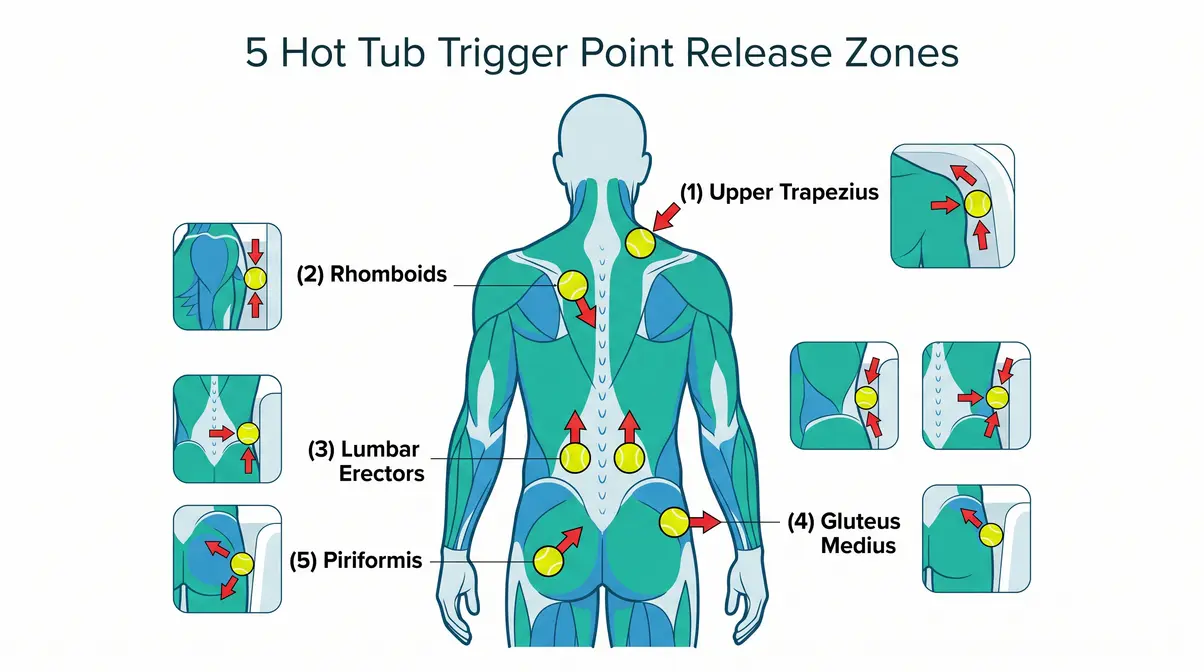
The Tennis Ball Trigger Point Method:
A trigger point is a hyperirritable spot within a muscle — commonly called a “knot” — that refers pain to surrounding areas and resists passive relaxation. The buoyancy of hot water makes trigger point release significantly easier than on land because the surrounding muscle is already partially relaxed.
- Bring one or two tennis balls into the tub (they float — use the side or corner of the tub to position them).
- Sit or lean so the tennis ball is positioned between your body and the tub wall, directly over a tight spot (common areas: upper trapezius near the shoulder blade, lumbar region, gluteus medius).
- Apply gentle body weight pressure — enough to feel a “good hurt” but not sharp pain.
- Hold for 30–60 seconds, breathing slowly. You should feel the tension gradually release.
- Move to the next trigger point. Limit to 3–4 points per session to avoid tissue irritation.
In-Tub Stretching: The buoyancy and heat combination makes the hot tub an ideal environment for gentle static stretching. The muscle spindles are already inhibited by heat, meaning you’ll achieve greater range of motion with less discomfort than stretching on land. Hold each stretch 20–30 seconds; avoid ballistic (bouncing) movements in the water.
Post-Soak: Hydration & Cool-Down
What you do in the 15 minutes after your soak matters nearly as much as the soak itself. Your core temperature is elevated, your blood vessels are dilated, and your body is in an active recovery state — support it correctly.
- Hydrate immediately: Drink at least 16–24 oz of water or an electrolyte drink within 10 minutes of exiting the tub. You lose significant fluid through sweat during a hot soak, even though the water masks this sensation.
- Cool down gradually: Don’t go directly from a 102°F hot tub to a cold environment. Allow 5–10 minutes at room temperature for your cardiovascular system to normalize. Sit, don’t stand suddenly — vasodilation can cause a brief drop in blood pressure.
- Light movement: A 5-minute gentle walk or mobility routine after your soak helps maintain the increased blood flow to muscles and prevents stiffness from re-settling as your temperature normalizes.
Hot Tub vs. Other Recovery Methods
A hot tub for sore muscles doesn’t exist in a vacuum — athletes and active adults have multiple recovery tools available. Understanding where a hot tub excels, where it falls short, and how it compares to alternatives helps you build a smarter overall recovery toolkit.
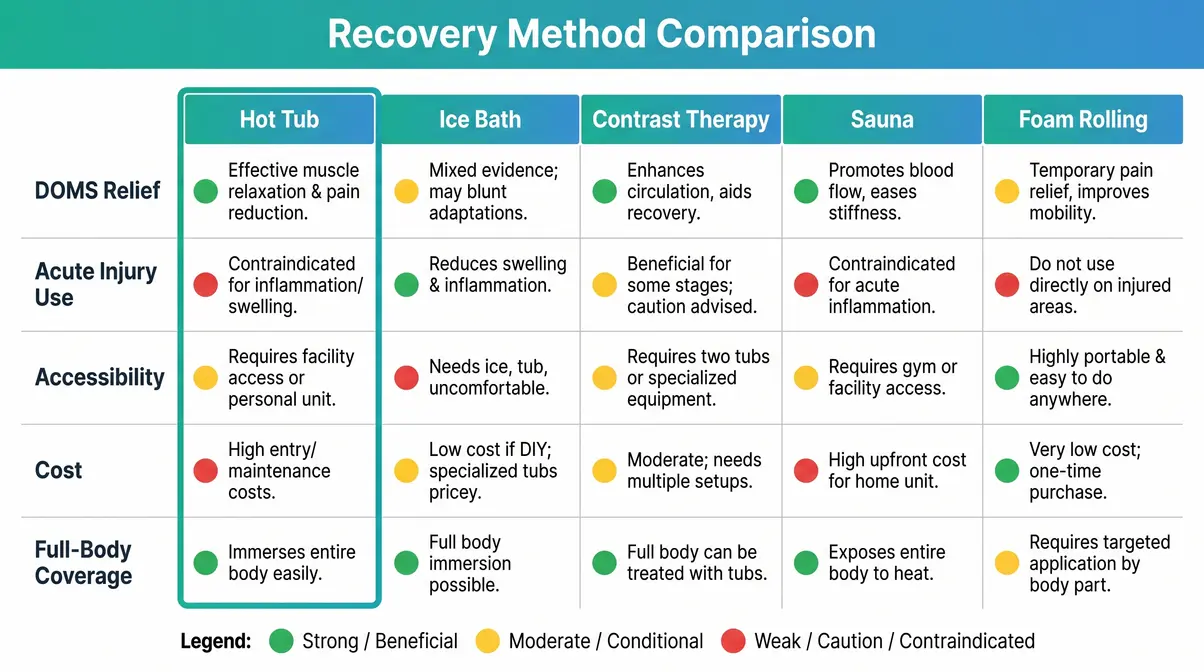
Hot Tub or Cold Tub for Soreness?
This is one of the most common questions in sports recovery, and the honest answer is: it depends on the type of soreness and timing. Hot tubs and ice baths work through opposite physiological mechanisms, making them appropriate for different situations rather than direct competitors.
Ice baths (cold water immersion, 50–59°F / 10–15°C) reduce inflammation through vasoconstriction — narrowing blood vessels to limit inflammatory mediator delivery to damaged tissue. This makes cold immersion the correct choice within the first 24–48 hours of an acute injury or immediately after contact sports where localized trauma is likely. Mayo Clinic guidance on muscle strains supports avoiding heat during this acute phase. Research from the British Journal of Sports Medicine confirms cold water immersion reduces acute muscle inflammation effectively (Bleakley et al., 2012).
Hot tubs (100–102°F) work best for DOMS — the diffuse, achy soreness that peaks 24–72 hours after training. At this stage, the acute inflammatory phase has passed, and the priority shifts to clearing waste products and restoring circulation. A 2021 systematic review in the Journal of Strength and Conditioning Research found that warm water immersion was significantly more effective than cold water immersion for reducing perceived soreness at the 48-hour mark (Machado et al., 2021).
| Scenario | Best Choice | Why |
|---|---|---|
| Acute injury, first 48 hours | Ice Bath | Reduces acute inflammation via vasoconstriction |
| DOMS, 24–72 hours post-workout | Hot Tub | Increases circulation, clears metabolic waste |
| General muscle stiffness | Hot Tub | Relaxes muscle spindles, improves flexibility |
| Post-contact sport (bruising) | Ice Bath | Limits bruising via vasoconstriction |
| Pre-workout warm-up | Hot Tub | Increases tissue temperature and range of motion |
The bottom line: cold for acute, localized trauma; heat for diffuse, delayed soreness. Both have a place in a complete recovery toolkit.
Contrast Therapy: Hot and Cold
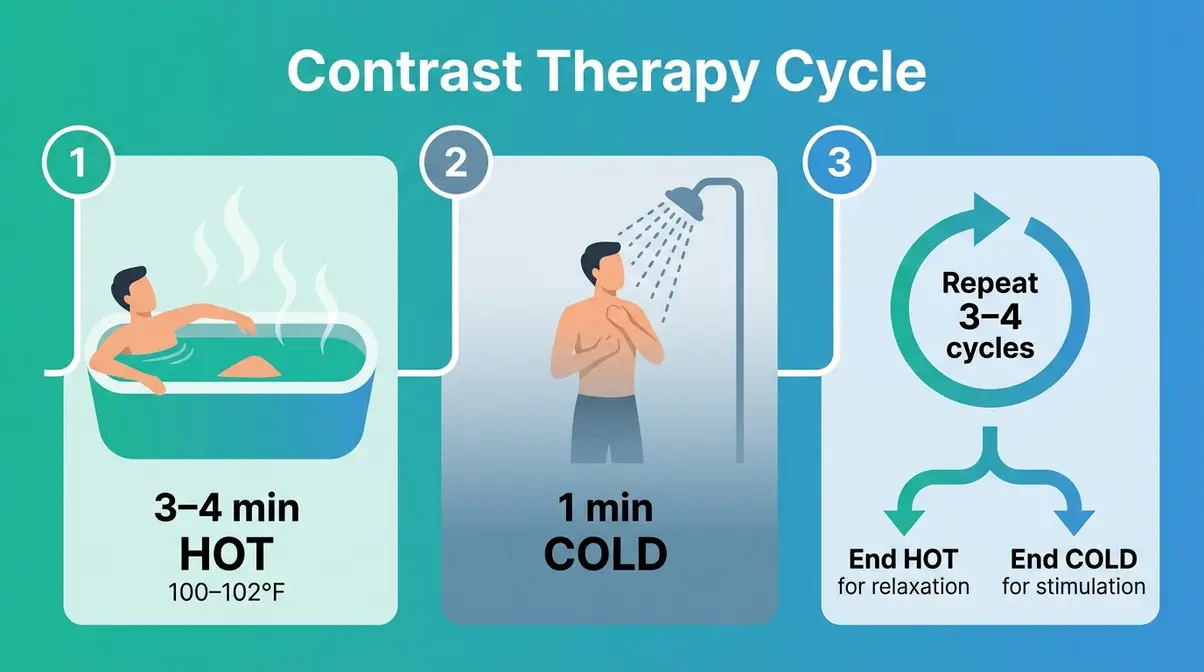
Contrast therapy — alternating between hot and cold water immersion — is increasingly supported by sports science as a method that may outperform either modality alone. The alternating vasoconstriction (cold) and vasodilation (heat) creates a “pumping” effect on the vascular system, potentially accelerating metabolic waste clearance more effectively than sustained heat or cold alone.
A meta-analysis published in the Journal of Physiology (PubMed meta-analysis on contrast therapy) found that contrast water therapy produced greater reductions in muscle soreness and strength loss at 24 and 48 hours post-exercise compared to passive recovery (Higgins et al., 2017). The most commonly researched protocol involves 1–3 cycles of hot/cold alternation.
- Basic Contrast Therapy Protocol (Hot Tub + Cold Shower):
- Soak in hot tub at 100–102°F for 3–4 minutes
- Exit and expose to cold water (shower or cold plunge) at 50–60°F for 1 minute
- Return to hot tub for 3–4 minutes
- Repeat 3–4 cycles, ending with cold for a stimulating effect or hot for a relaxing effect
- Total session: 15–20 minutes
Note: Contrast therapy is more physiologically demanding than hot tub soaking alone. If you have cardiovascular conditions or are new to cold exposure, start with shorter cold intervals and consult your doctor before attempting full contrast sessions.
Hot Tub vs. Sauna Differences
Both hot tubs and saunas use heat as the primary therapeutic mechanism, but they differ meaningfully in how that heat is delivered — and those differences affect their respective benefits for muscle soreness.
Saunas (dry heat, 150–195°F / 65–90°C, or steam rooms at lower temperatures) primarily work through systemic core temperature elevation and sweating. They deliver strong cardiovascular and detoxification benefits and have well-documented effects on relaxation and perceived recovery. However, they lack the buoyancy and direct hydromassage components that make hot tubs particularly effective for musculoskeletal soreness.
Hot tubs operate at much lower temperatures (100–104°F) but add two critical elements: the buoyancy that offloads gravitational stress on muscles and joints, and the targeted mechanical stimulation of jets. For localized muscle soreness — especially in the back, legs, and shoulders — the jet hydromassage component provides a level of targeted relief that sauna heat alone cannot replicate.
Research comparing the two modalities suggests that for musculoskeletal applications specifically, water immersion produces superior outcomes to dry heat for reducing localized muscle tension and DOMS perception (Mooventhan & Nivethitha, 2014). For general relaxation and cardiovascular conditioning, sauna carries its own well-documented benefits. The ideal recovery program may include both.
What Helps Soreness Go Away Fast?
The fastest-acting combination for DOMS is structured hot tub hydrotherapy paired with active recovery movement and adequate hydration. A hot tub is highly effective for DOMS and chronic tension, but it’s worth knowing where other methods fit in your recovery toolkit — especially for situations where a hot tub isn’t accessible.
- Foam rolling (self-myofascial release): Most effective immediately post-workout or during the acute DOMS phase. Research supports a 5–10 minute foam rolling session for reducing perceived soreness and improving range of motion (Cheatham et al., 2015, International Journal of Sports Physical Therapy). Works well as a complement to hot tub soaking — roll first, then soak.
- NSAIDs (ibuprofen, naproxen): Effective for acute pain management but may blunt the training adaptation signal when used regularly after workouts. Best reserved for severe soreness rather than routine use.
- Active recovery (light movement): Low-intensity movement — walking, cycling, swimming — increases circulation without adding training stress. Consistently supported by research as effective for DOMS management.
- Massage therapy: Highly effective for targeted trigger point release and myofascial work, but limited by cost and access. The tennis ball hot tub method approximates some benefits of massage at zero additional cost.
- Sleep: Arguably the most powerful recovery tool available. Growth hormone release peaks during deep sleep, driving muscle protein synthesis and repair. No recovery protocol — hot tub included — compensates for chronic sleep deprivation.
For most active adults, the most effective approach combines structured hot tub soaking with adequate sleep, active recovery movement, and strategic foam rolling — not a single tool used in isolation.
When to Be Careful: Safety and Limitations
Hot tub therapy is safe and beneficial for most healthy adults when used correctly. However, as a YMYL health topic, it’s essential to address the contexts where hot tub use requires caution, modification, or medical clearance. The goal isn’t to discourage use — it’s to ensure your sessions are both effective and safe. If you are shopping for a new model, consult a hot tub buying guide to ensure it has therapeutic jets designed for safe recovery.
Who Should Avoid Hot Tub Therapy?
Certain health conditions make hot tub use risky without medical supervision. The physiological demands of hot water immersion — elevated heart rate, peripheral vasodilation, reduced blood pressure — can be problematic for individuals whose cardiovascular systems are already compromised.
Consult your doctor or physical therapist before hot tub therapy if you have:
- Heart disease or arrhythmia: Vasodilation and the associated drop in blood pressure can strain a compromised heart. The American Heart Association recommends cardiovascular patients consult a physician before any hot water immersion.
- High blood pressure (uncontrolled): Hot water causes blood pressure to initially rise before dropping — a pattern that can be hazardous for individuals with uncontrolled hypertension.
- Pregnancy: Elevated core temperature in the first trimester is associated with neural tube defects. The American College of Obstetricians and Gynecologists advises pregnant women to avoid hot tubs entirely or limit exposure to under 10 minutes at temperatures below 100°F — and only after physician clearance.
- Diabetes: Neuropathy (nerve damage) can impair temperature sensation, making it difficult to detect overheating. Vascular complications also affect how the body responds to heat-induced blood pressure changes.
- Active skin infections or open wounds: Hot water immersion can spread infection and delay wound healing.
- Acute injury (< 48 hours, swollen): As noted earlier, heat increases inflammation in the acute phase. Use cold first.
If you are currently undergoing physical therapy or medical treatment for a musculoskeletal condition, discuss hot tub use with your provider — many physical therapists actively encourage it as a home adjunct to clinical treatment, but the specifics depend on your diagnosis.
Signs You’re Overdoing It
More is not always better. Prolonged hot tub sessions — particularly at high temperatures — carry real risks that are easy to avoid once you know what to watch for.
- Exit the hot tub immediately if you experience:
- Dizziness or lightheadedness: Indicates blood has pooled in peripheral vessels, reducing cerebral perfusion. Sit at the edge of the tub before standing fully.
- Nausea: A sign of mild heat stress or beginning dehydration.
- Rapid or irregular heartbeat: Cardiovascular overload — exit calmly and rest in a cool environment.
- Skin that is bright red (beyond normal pinkness): Indicates excessive heat exposure.
- Numbness or tingling: Particularly in the hands or feet — can indicate peripheral nerve response to heat or pressure.
- Preventable overuse patterns to avoid:
- Sessions longer than 20–25 minutes without a break
- Temperatures above 104°F
- Soaking immediately after intense alcohol consumption (vasodilation + alcohol = significant blood pressure drop risk)
- Multiple sessions per day without adequate hydration and rest
- Soaking alone when you’re already fatigued or unwell
Across physical therapy communities, the consistent guidance is that 15–20 minutes at 100–102°F is the therapeutic sweet spot — effective enough to produce real recovery benefits, conservative enough to be safe for most healthy adults without supervision.
Frequently Asked Questions
How long should you sit in a hot tub for sore muscles?
For sore muscle relief, 15–20 minutes at 100–102°F is the optimal duration. This window is long enough to produce sustained vasodilation and full hydromassage benefit, but short enough to avoid dehydration and cardiovascular strain. Research supports this range as the therapeutic sweet spot for hydrotherapy applications (Cleveland Clinic, 2023). Sessions beyond 20–25 minutes produce diminishing returns and increase overheating risk. If you’re new to hot tub therapy, start with 10–15 minutes and build up gradually.
Are hot tubs good for muscle recovery?
Yes — hot tubs are highly effective for muscle recovery, particularly for DOMS (delayed onset muscle soreness) that peaks 24–72 hours after exercise. The combination of vasodilation, buoyancy, and hydromassage addresses the physiological causes of soreness from three angles simultaneously. Research in the International Journal of Sports Medicine found warm water immersion can reduce DOMS perception by up to 30% compared to passive rest (Vaile et al., 2008). They are most effective when used as part of a structured protocol rather than casual soaking.
Is doing two 30-minute hot tub sessions a day good for you while doing physical therapy?
Two 30-minute daily sessions is generally not recommended — even during physical therapy. Sessions this long significantly increase dehydration risk and may cause blood pressure fluctuations. Most clinical hydrotherapy protocols use 15–20 minute sessions once or twice daily with adequate hydration and rest between sessions. Consult your physical therapist directly for a personalized protocol based on your diagnosis — they may recommend shorter, more frequent sessions or specific temperature modifications based on your condition.
Is a hot tub or cold tub better for sore muscles?
It depends on the type of soreness and timing. Cold water immersion (ice bath, 50–59°F) is best for the first 24–48 hours after acute injury or immediately post-contact sport, where reducing acute inflammation is the priority. Hot tubs (100–102°F) are more effective for DOMS — the diffuse soreness that peaks 24–72 hours after training — where increasing circulation and clearing metabolic waste is the goal. A 2021 systematic review found warm water immersion outperformed cold at the 48-hour mark for perceived soreness reduction (Machado et al., 2021).
Why put tennis balls in a hot tub?
Tennis balls are used for trigger point self-release — a technique for targeting hyperirritable “knots” in muscle tissue that resist passive relaxation. The buoyancy and heat of the hot tub pre-relax surrounding muscle, making trigger point release significantly more effective than on land. You position a floating tennis ball between your body and the tub wall, then apply gentle body weight pressure over a tight spot for 30–60 seconds. This mimics some effects of manual massage at zero cost. Common targets include the upper trapezius, lumbar erectors, and gluteus medius.
What helps muscle soreness go away fast?
The fastest-acting combination for DOMS is structured hot tub hydrotherapy paired with active recovery movement and adequate hydration. Heat increases circulation and clears metabolic waste; light movement (walking, cycling) maintains that circulation without adding training stress; hydration supports cellular repair. For immediate relief, a 15–20 minute hot tub session at 100–102°F typically produces noticeable reduction in stiffness and perceived pain within the session itself. Foam rolling before soaking can amplify results by mechanically releasing surface-level fascial tension before heat deepens the effect.
Does soaking in hot water reduce inflammation?
Soaking in hot water does not reduce acute inflammation, but it helps clear inflammatory byproducts during later recovery stages. In the first 48 hours of an acute injury, heat can actually worsen swelling by increasing blood flow to the damaged area. However, once the initial acute phase passes, the vasodilation caused by hot water helps flush out lingering metabolic waste and cellular debris. This makes it an excellent tool for the delayed inflammatory response associated with DOMS.
Should you stretch in a hot tub?
Yes, gentle static stretching in a hot tub is highly effective for improving flexibility and reducing muscle tension. The warm water relaxes muscle spindles and increases tissue elasticity, allowing you to achieve a deeper stretch with less discomfort than on land. The buoyancy also supports your body weight, reducing strain on your joints while you stretch. Hold stretches for 20–30 seconds and avoid bouncing (ballistic) movements, which can cause micro-tears in the relaxed muscle fibers.
How long should you soak in a hot tub?
For general wellness and relaxation, 15–30 minutes is a reasonable soak duration for healthy adults. For therapeutic muscle recovery specifically, 15–20 minutes at 100–102°F is the evidence-supported target. Always drink water before and after soaking, exit gradually to allow your blood pressure to normalize, and avoid soaking for more than 20–25 consecutive minutes without a break. Temperature matters as much as time — a shorter soak at the correct temperature (100–102°F) outperforms a longer soak at temperatures that are too low to trigger meaningful vasodilation.
Why do so many people get rid of hot tubs?
The most common reasons people give up hot tubs are maintenance demands, operating costs, and underuse after the novelty fades. Ongoing maintenance — water chemistry, filter cleaning, equipment upkeep — requires consistent effort. Monthly operating costs (electricity, chemicals) typically run $50–$150 depending on climate and usage. Routine upkeep and hot tub maintenance tips can help manage these costs. Many owners also find that without a clear purpose or routine, hot tub use declines over time. Having a structured protocol — like the 3-Phase Hot Tub Recovery Protocol — gives your hot tub a specific, repeatable job in your wellness routine, which significantly increases long-term utilization and perceived value.
Making Hot Tub Therapy Work for You
Hot tub therapy is one of the most accessible, evidence-supported recovery tools available to active adults — and the science is clear. Warm water immersion at 100–102°F triggers vasodilation that accelerates waste clearance, buoyancy that offloads gravitational stress on fatigued muscle, and hydromassage that provides targeted mechanical relief. Research consistently shows that structured hydrotherapy can reduce DOMS perception by up to 30% and restore muscle function faster than passive rest alone (Vaile et al., 2008). At OneHotTub, our evaluation of hydrotherapy research and user outcomes confirms that the key differentiator between casual soaking and genuine recovery is protocol — not luck.
The 3-Phase Hot Tub Recovery Protocol captures that protocol in a repeatable framework: time your soak strategically (1–2 hours post-workout for DOMS, or pre-workout for warm-up), dial in your settings (100–102°F, 15–20 minutes), and use in-tub techniques like the tennis ball trigger point method to amplify results beyond what heat and buoyancy alone can deliver. Each phase addresses a specific variable that vague advice ignores — and each variable compounds the next.
Start with one structured session following this protocol and pay attention to how your body responds compared to your usual approach. When people ask, does a hot tub help sore muscles, the science is clear — and for most people dealing with sore, tired muscles, the difference is noticeable within the first session. If you’re considering adding a hot tub to your recovery toolkit — or making better use of the one you already have — explore the health benefits of hot tubs to see the full scope of what consistent hydrotherapy can do.
Medical Review Note: This article should be reviewed by a certified physical therapist or sports medicine physician before publication. Add “Reviewed by ” to the article header. — Editor to arrange.