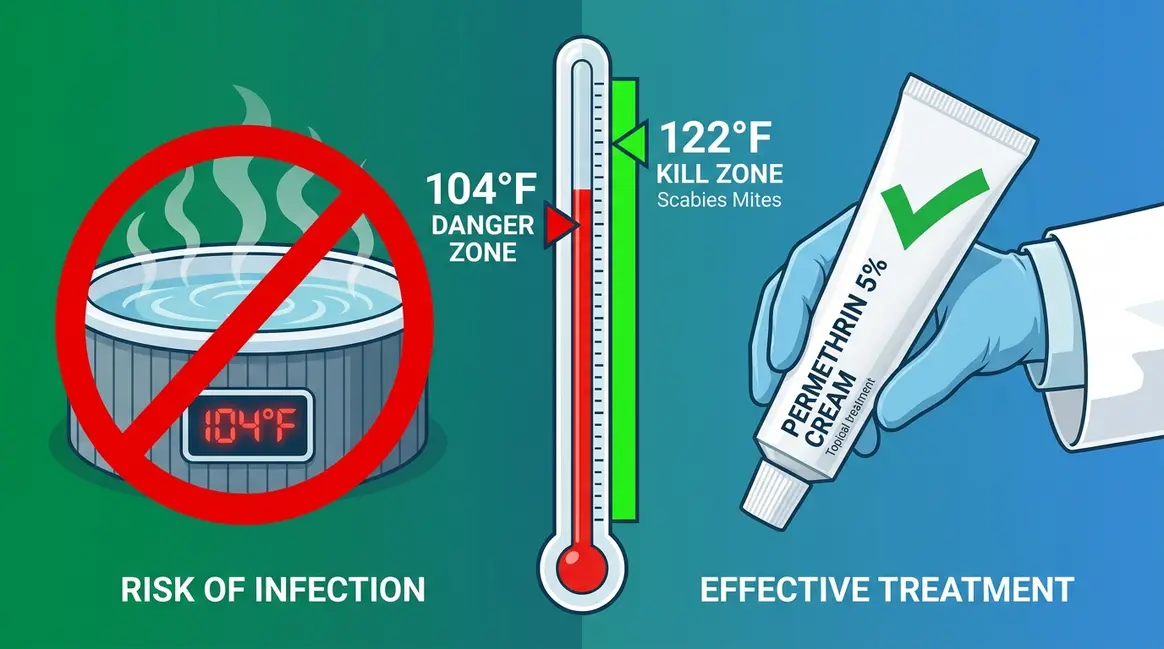

What’s in this guide
Estimated Time: 5 minutes to read and assess your risk.
What You Need: Your prescription label, a thermometer, and your doctor’s contact information.
You’ve just been prescribed antibiotics, and a relaxing hot tub soak sounds like exactly what your tired, achy body needs. But is a hot tub while on antibiotics safe? Before you step in, there are real medical risks that most hot tub guides never mention — and whether it’s safe for you depends heavily on which antibiotic you’re taking and why you’re taking it.
Here’s what makes this complicated: not all antibiotics carry the same risk. Some — like tetracyclines (doxycycline) and fluoroquinolones (ciprofloxacin) — dramatically increase your skin’s sensitivity to heat and UV light. Others, like amoxicillin, carry lower heat-related risk but still expose a compromised immune system to a warm-water environment teeming with bacteria. And in many cases, the infection you’re already treating is a bigger danger in a hot tub than the medication itself.
As one widely shared patient concern puts it:
“Antibiotics can make your skin sensitive to heat, chemicals, and sunlight — things that a hot tub has in abundance.”
This guide breaks down exactly which antibiotics carry the highest hot tub risks, what bacteria live in hot tub water, and when it’s genuinely safe — or not — to soak. You’ll also find a concrete decision framework, “The Antibiotic Risk Matrix,” that no other guide in this space has attempted.
If you are wondering, “is a hot tub while on antibiotics safe?”, the answer is generally no — certain drug classes like tetracyclines dramatically increase your skin’s sensitivity to heat, while warm water creates ideal conditions for dangerous bacteria like Pseudomonas aeruginosa.
- Your antibiotic type matters: The Antibiotic Risk Matrix shows tetracyclines, fluoroquinolones, and sulfonamides carry the highest hot tub risks due to photosensitivity and heat reactions
- The infection itself is often the bigger danger: Open wounds, UTIs, and active skin infections are directly worsened by hot tub exposure — not just the medication
- Hot tub folliculitis is a real risk: Pseudomonas bacteria thrive in warm, improperly treated water, and a compromised immune system makes you far more vulnerable
- Amoxicillin carries lower heat risk than other antibiotics, but the bacteria in the water remain a concern for anyone mid-treatment
- Always consult your doctor or pharmacist before using a hot tub during any antibiotic course
Is It Safe to Use a Hot Tub While on Antibiotics?

When patients ask, “is a hot tub while on antibiotics safe?”, the answer is not universally prohibited, but most physicians advise against it. Using a hot tub while on antibiotics is generally not recommended for most patients. The risks fall into two distinct categories — those created by your medication, and those created by the hot tub environment itself — and both can compound each other in ways that most generic advice never explains. According to the FDA, several commonly prescribed antibiotic classes significantly increase sensitivity to heat and UV radiation, making warm-water immersion during treatment a medically inadvisable choice for many patients.
The Direct Answer: Doctor Advice
Using a hot tub while on antibiotics is not universally prohibited, but most physicians advise against it — particularly during the first 48 to 72 hours of treatment, or until your symptoms have meaningfully improved. The answer is not a simple yes or no. It exists on a spectrum that depends on which antibiotic you’re taking, the infection you’re being treated for, and the current state of your immune system.
There are two distinct risk categories every antibiotic patient should understand before stepping into a hot tub:
Medication-related risks arise from how certain antibiotic classes interact with heat, UV light, and chemical sanitizers. The FDA warns on antibiotic-induced photosensitivity that tetracyclines and fluoroquinolones significantly increase sensitivity to heat and UV light during treatment (FDA, 2026). This means the hot tub’s 102°F water and outdoor sunlight aren’t just uncomfortable — they can trigger real skin reactions.
Environment-related risks come from the hot tub water itself. Even well-maintained hot tubs harbor bacteria that can cause serious infections in people whose immune systems are already working overtime to fight an existing illness. Hot tub use while on antibiotics adds bacterial exposure at precisely the moment your body is least equipped to handle it.
Think of it this way: your antibiotic is fighting an infection inside your body. A hot tub simultaneously stresses your body with heat, dehydration, and bacterial exposure — three simultaneous challenges your immune system doesn’t need right now.
The risk level isn’t identical across all antibiotics, however. That’s where most guides fall short — and where “The Antibiotic Risk Matrix” below fills the gap.
Transition: The answer isn’t the same for every antibiotic — and that’s where most guides fall short. Here’s how your specific medication changes the risk profile.
The Antibiotic Risk Matrix
Not all antibiotics carry the same risk in a hot tub. The Antibiotic Risk Matrix — this article’s original framework — categorizes the most common antibiotic classes by their specific hot tub-relevant side effects, so you can assess your personal risk level in seconds rather than guessing.
How to use this matrix: Find your antibiotic class in the left column (your prescription label or pharmacist can confirm which class your medication belongs to). Then read across to understand your specific risk level and the recommended action.
| Antibiotic Class | Common Examples | Hot Tub Risk Level | Key Risk Reason | Recommended Action |
|---|---|---|---|---|
| Tetracyclines | Doxycycline, Minocycline | 🔴 HIGH | Severe photosensitivity + heat sensitivity; skin becomes reactive to heat and UV | Avoid hot tubs entirely during treatment |
| Fluoroquinolones | Ciprofloxacin, Levofloxacin | 🔴 HIGH | Tendon stress worsened by heat; photosensitivity; CNS side effects amplified | Avoid hot tubs entirely during treatment |
| Sulfonamides | Bactrim (Trimethoprim-Sulfamethoxazole) | 🔴 HIGH | Strong photosensitivity reaction; skin rash risk significantly elevated | Avoid hot tubs entirely during treatment |
| Macrolides | Azithromycin, Erythromycin | 🟡 MODERATE | GI side effects + mild heat interaction; nausea can worsen with heat | Use only with caution; short sessions if medically cleared |
| Penicillins | Amoxicillin, Ampicillin | 🟢 LOWER | Less direct heat/sun interaction; immune caution still applies | Assess underlying condition first — bacteria risk remains |

According to increased skin sensitivity to sunlight from tetracycline, MedlinePlus (National Library of Medicine) advises that tetracycline significantly increases skin sensitivity to sunlight and heat, requiring patients to avoid prolonged exposure (MedlinePlus, 2026). This is not a minor precaution — it’s a documented pharmacological effect that makes a 104°F soak genuinely risky.
Even “lower risk” antibiotics like amoxicillin don’t make hot tub use safe. Your underlying infection and immune system status remain critical factors regardless of which column your medication falls in. A patient on amoxicillin for a skin infection or open wound faces serious bacterial exposure risk from the water itself — independent of any drug-heat interaction.
Find your antibiotic class in the table above. If it’s marked HIGH, skip the hot tub until your full course is complete.
Transition: The medication side effects are one piece of the puzzle. Now let’s look at what heat itself does to your body when you’re already fighting an infection.
Skin Sensitivity and Heat Reactions
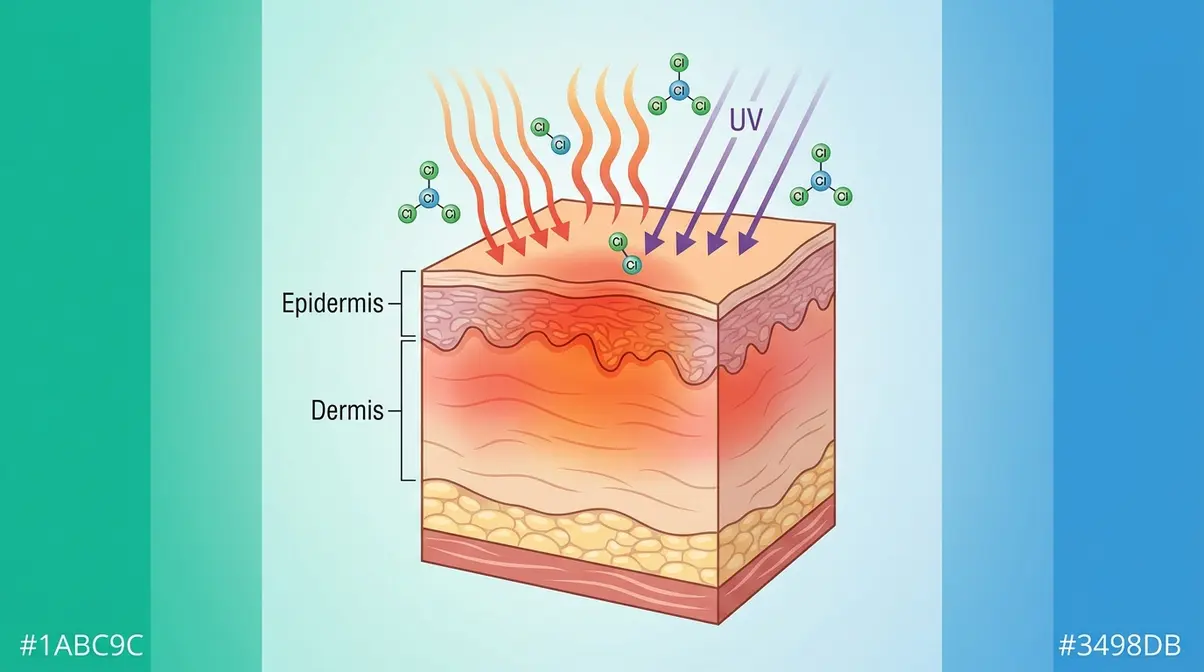
Some antibiotics — especially tetracyclines and fluoroquinolones — make your skin react more strongly to heat, sunlight, and chemicals than it normally would. This is called drug-induced photosensitivity (an increased skin reaction to light and heat caused by medication). For hot tub users, this creates a triple threat: hot water (typically 100–104°F / 38–40°C), combined with chemical sanitizers (chlorine or bromine), and potential outdoor UV exposure all hitting skin that’s already primed to overreact.
Imagine your skin is sunburned before you even step outside — that’s roughly how tetracycline leaves it in relation to heat and UV radiation. Soaking in a 104°F hot tub with chlorine is like pressing that sensitized skin against a hot, chemically treated surface. The result can range from uncomfortable redness and irritation to blistering in severe cases.
There’s a second, less obvious mechanism at work. Your skin is your body’s primary barrier against infection. When antibiotics have made it reactive and the hot tub’s chemical balance is even slightly off, skin integrity can be compromised — creating microscopic entry points for bacteria. Tetracycline skin sensitivity is well-documented: MedlinePlus notes that patients on tetracycline should avoid prolonged heat and UV exposure due to significantly increased dermal reactivity (MedlinePlus, 2026).
Even if you’re not on a photosensitizing antibiotic, your skin is still a barrier organ — and hot tub chemicals can irritate skin that’s already stressed by illness. This matters because the next risk builds directly on skin vulnerability.
Transition: Skin sensitivity is uncomfortable, but dehydration is potentially more serious — here’s why hot tub heat is especially risky when you’re on medication.
Dehydration and Cardiovascular Risk

Hot tubs operate at 100–104°F (38–40°C). At this temperature, your body sweats heavily to cool down, losing fluids rapidly — even though you feel surrounded by water. Many people don’t realize they’re dehydrating because the sensation of being wet masks the warning signs. This effect is well-established: immersion in water at these temperatures triggers significant fluid loss through perspiration within 15 to 20 minutes.
Antibiotics compound this problem. Many antibiotic classes cause side effects including nausea, vomiting, and diarrhea — all of which reduce your body’s fluid reserves before you even enter the water. Combining medication-induced fluid loss with hot tub dehydration significantly increases the risk of dizziness, fainting, and — in vulnerable individuals — cardiovascular strain.
People who are ill enough to need antibiotics typically have a lower baseline tolerance for heat stress. Their cardiovascular system is already working harder than normal to fight infection, regulate inflammation, and distribute medication to the affected tissues. A compromised immune system under this kind of heat load is being asked to do too much simultaneously.
Higher risk of bacterial infections for compromised immunity is confirmed by Cleveland Clinic experts, who note that individuals with weakened immune systems face significantly elevated risks from hot tub exposure, including cardiovascular stress from heat immersion (Cleveland Clinic, 2026).
If you’ve experienced nausea or diarrhea from your antibiotics, your body is already low on fluids. Add 20 minutes in a 102°F hot tub, and dizziness or fainting becomes a real risk — especially if you’re home alone.

Transition: Beyond the physical stress of heat, there’s a third risk that most people overlook entirely: could the hot tub actually make your antibiotic work less effectively?
Can Hot Tubs Undermine Treatment?
Severe dehydration directly affects how your body processes medication. Reduced blood volume means the antibiotic may be distributed less effectively to the site of infection — the tissue where it needs to do its work. This isn’t a theoretical concern; pharmacokinetics (how your body absorbs and moves a drug) are meaningfully altered when fluid levels drop significantly.
Heat-induced vasodilation (the widening of blood vessels in response to heat) can also alter drug metabolism rates. While the magnitude of this effect varies by drug class, it introduces an additional, unpredictable variable into your treatment. During an active infection, you want your medication working as predictably and effectively as possible — not being metabolized faster or slower because of a 20-minute hot tub session.
The underlying condition is often the most critical factor of all. If you’re taking antibiotics for a UTI, a skin infection, or an open wound, each of these conditions is directly worsened by hot tub exposure — regardless of which antibiotic you’re on. The antibiotic is fighting a battle inside your body; the hot tub is opening a new front.
If you’re on antibiotics for an infected cut or surgical site, immersing it in hot tub water — even well-maintained water — exposes that wound to bacteria, heat, and chemicals simultaneously. According to Johns Hopkins Medicine on urinary tract infections, warm-water exposure can introduce additional bacteria into an already-infected urinary tract, worsening the infection your antibiotics are working to clear (Johns Hopkins Medicine, 2026).
Can you use a hot tub on antibiotics?

Getting in a hot tub while taking antibiotics is generally not recommended, particularly during the first 48 to 72 hours of treatment or if you’re on high-risk antibiotic classes. The risks fall into two categories: medication-related (heat and UV sensitivity from tetracyclines, fluoroquinolones, and sulfonamides) and environment-related (bacterial pathogens like Pseudomonas aeruginosa in the water). The Antibiotic Risk Matrix in this guide categorizes your specific antibiotic class by risk level. If your antibiotic is rated HIGH, avoid hot tubs entirely until your course is complete. Always consult your doctor before soaking during any antibiotic treatment.
Hot Tub Infections: Bacteria in the Water
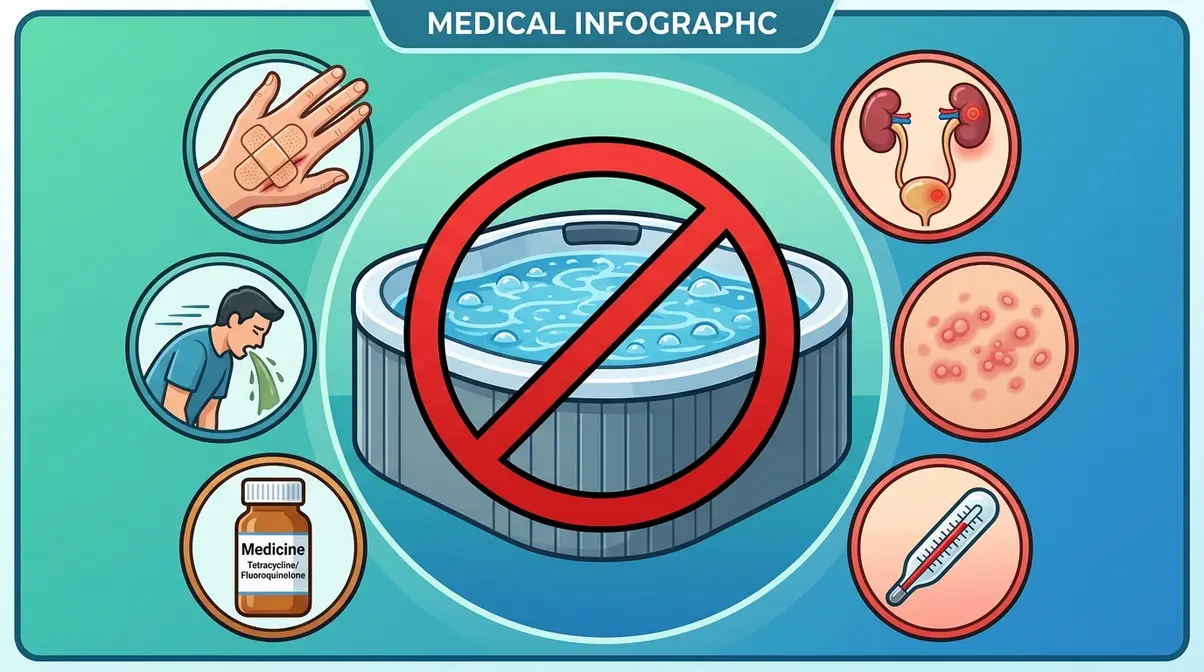
Hot tubs are warm, wet environments where bacteria can multiply rapidly — especially when chemical levels aren’t perfectly maintained. For someone with a healthy immune system, exposure to these bacteria might cause nothing more than a temporary rash. For someone on antibiotics — whose immune system is already occupied fighting an existing infection — the same exposure can lead to a serious secondary infection. Understanding what’s actually living in that water is the first step to making an informed decision.
What Is Hot Tub Folliculitis?
Hot tub folliculitis is a skin infection that affects the hair follicles — the tiny pores from which each hair on your body grows. It’s caused by bacteria in contaminated hot tub water entering these follicles, typically during or shortly after a soak. The condition presents as a red, itchy rash of small bumps or pustules, usually appearing within 12 to 48 hours of exposure. It most commonly affects the torso, buttocks, and areas covered by a bathing suit.
For most healthy people, hot tub folliculitis resolves on its own within 7 to 10 days. However, for someone on antibiotics — particularly for a skin condition, wound, or compromised immune system — the picture is more complicated. Your body’s normal first-line defenses against skin bacteria are already under strain. Adding a new bacterial challenge to an already-stressed system can result in a more severe or prolonged infection.
Medical reviewers note that hot tub folliculitis is one of the most common waterborne illnesses associated with recreational water use, and that cases spike significantly when hot tub sanitizer levels are allowed to fluctuate — which happens more often than most users realize (CDC, 2026).
Pseudomonas Aeruginosa: Main Bacteria

The organism responsible for most hot tub folliculitis cases is Pseudomonas aeruginosa (a bacterium that thrives in warm, moist environments, particularly water heated between 98°F and 104°F). It’s remarkably resilient — it survives in water temperatures that kill many other bacteria, and it can rapidly multiply when chlorine or bromine levels drop even briefly.
According to the CDC’s healthy swimming guidance on hot tub safety, Pseudomonas aeruginosa is the primary pathogen responsible for hot tub-related skin infections, and it is particularly dangerous for individuals with weakened immune systems (CDC, 2026). The CDC notes that hot tubs present a higher contamination risk than pools because the warm water degrades chemical sanitizers more quickly, creating windows of bacterial vulnerability.
For someone on antibiotics, this risk is amplified for two reasons. First, the antibiotic you’re taking may not be effective against Pseudomonas — it’s a notoriously antibiotic-resistant organism. Second, your immune system is already occupied. If Pseudomonas gains a foothold on sensitized or compromised skin, your body has fewer resources to contain it.
According to a peer-reviewed analysis published in PMC (PubMed Central), Pseudomonas aeruginosa demonstrates significant resistance to many first-line antibiotics, meaning that a hot tub-acquired infection could require a completely different antibiotic course — or in severe cases, intravenous treatment (NCBI, 2026).
*“Pseudomonas aeruginosa thrives in warm water above 26°C (78.8°F) and can cause folliculitis, ear infections, and — in immunocompromised individuals — serious systemic illness”* (CDC, 2026).
UTIs, Legionella, and Waterborne Risks
Hot tubs host more than just Pseudomonas. Two other pathogens deserve specific attention for antibiotic users.
Legionella pneumophila (the bacterium that causes Legionnaires’ disease — a serious form of pneumonia) thrives in warm water systems, including hot tubs. The CDC identifies improperly maintained hot tubs as one of the leading environmental sources of Legionella exposure in the United States. Between 2000 and 2026, approximately 9 out of 10 Legionnaires’ disease outbreaks linked to hot tubs were attributed to inadequate water treatment (CDC, 2026). For someone with a compromised immune system, Legionella exposure is not a minor concern — it can cause life-threatening respiratory illness.
UTIs and hot tub bacteria have a more direct connection than most people realize. If you’re currently being treated for a urinary tract infection, soaking in a hot tub introduces warm, bacteria-laden water into close proximity to the urethral opening. This can introduce new bacteria into an already-inflamed urinary tract, potentially worsening your existing infection or creating a secondary one. Dermatology Advisor clinical resources confirm that individuals with active genitourinary infections should avoid hot tub exposure entirely during treatment, per guidance from Dermatology Advisor on hot tub folliculitis and dermatitis.
Even a well-maintained hot tub cannot eliminate these risks entirely — chemical sanitizers fluctuate, and no home test can guarantee pathogen-free water in real time.
Why Your Immune System Matters Most
Here’s the insight that competitors consistently miss: the state of your immune system during antibiotic treatment is often a more important risk factor than the temperature of the water or even the antibiotic you’re taking.
When your body is fighting a bacterial infection, your immune system is in an active, resource-intensive state. White blood cells are mobilized, inflammatory responses are elevated, and your body’s surveillance systems are focused on the existing threat. This means your defenses against new bacterial challenges — like Pseudomonas from a hot tub — are reduced, even if you’re not clinically immunocompromised.
Antibiotics themselves can also temporarily alter immune function. Some classes, including certain fluoroquinolones, have been studied for mild immunomodulatory effects — meaning they can subtly shift how your immune cells respond to new threats while you’re taking them (NCBI, 2026).
The practical implication: even if your hot tub water tests at perfect chemical levels, and even if your antibiotic is in the “lower risk” column of the Antibiotic Risk Matrix, your immune system is running a deficit. Adding any new bacterial exposure during treatment is a gamble that most physicians would advise against.
Can hot tubs cause infections?
Yes — hot tubs are a documented source of bacterial infections, even in otherwise healthy individuals. The primary culprit is Pseudomonas aeruginosa, which thrives in warm water and can survive brief lapses in sanitizer levels. The CDC identifies hot tubs as a higher-risk environment than swimming pools because the warm water degrades chlorine and bromine faster, creating windows of bacterial vulnerability (CDC, 2026). For people with compromised immune systems — including those on antibiotics — the risk of acquiring hot tub folliculitis, Legionnaires’ disease, or a secondary skin or ear infection is meaningfully elevated compared to the general population.
What Else Should You Avoid While on Antibiotics?
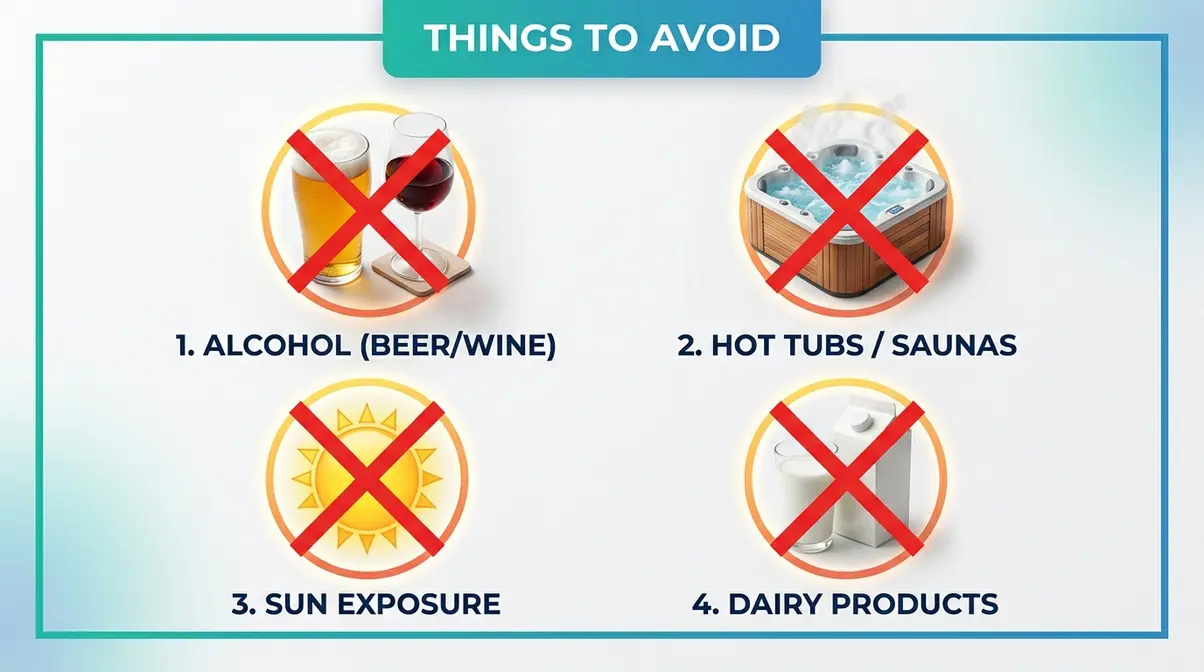
Most people asking about hot tubs while on antibiotics are also wondering what other everyday activities might be risky. The answer matters — because some common habits can reduce how well your antibiotic works, worsen your side effects, or expose your already-stressed body to additional harm. Following general hot tub safety guidelines is crucial, but antibiotic users need extra precautions. Medical reviewers consistently identify three categories of avoidance that are most clinically significant.
Alcohol and Antibiotics: A Mistake
Mixing alcohol with antibiotics is one of the most common mistakes patients make during treatment. The risks vary by drug class, but two combinations are particularly dangerous. Metronidazole (Flagyl) and tinidazole combined with alcohol cause a severe reaction called a disulfiram-like reaction — symptoms include nausea, vomiting, flushing, rapid heartbeat, and severe headache. These reactions can begin within minutes of alcohol consumption.
Even with antibiotics that don’t cause this specific reaction, alcohol still undermines treatment. It can disrupt sleep (which your immune system depends on for recovery), cause additional dehydration, and tax your liver — which is simultaneously processing your medication. The NHS advises that while moderate alcohol doesn’t prevent most antibiotics from working, it significantly worsens side effects and slows recovery (NHS, 2026). The safest approach: avoid alcohol entirely for the duration of your antibiotic course.
Sun Exposure and Photosensitivity
The same antibiotic classes that make hot tubs risky — tetracyclines and fluoroquinolones — also dramatically increase your skin’s sensitivity to sunlight. This is the same drug-induced photosensitivity discussed in the Risk Matrix, but it applies outdoors too. Patients on doxycycline, for example, can develop severe sunburn after just 15 to 20 minutes of midday sun exposure — even with sunscreen applied.
According to Consumer Reports on antibiotics and sun sensitivity, photosensitive antibiotics affect a significant proportion of patients, and the reactions can range from exaggerated sunburn to drug-induced lupus in rare cases (Consumer Reports, 2026). During treatment with these drug classes, dermatologists recommend: wearing SPF 50+ sunscreen, covering exposed skin, and avoiding peak sun hours (10am–4pm). This precaution applies both outdoors and in outdoor hot tubs with direct sun exposure.
Foods That Block Absorption
Several common foods and supplements can interfere with how your body absorbs antibiotics — meaning your medication may not reach therapeutic levels even when you’re taking it correctly. The most important interactions to know:
- Dairy products (milk, yogurt, cheese) bind to tetracyclines and fluoroquinolones in the digestive tract, reducing absorption by up to 50% in some studies. Take these antibiotics at least 2 hours before or after dairy.
- Calcium supplements have the same binding effect as dairy — separate them from your antibiotic dose by at least 2 hours.
- Antacids containing magnesium or aluminum (like Tums or Maalox) similarly bind to fluoroquinolones, significantly reducing their effectiveness.
- Probiotics are generally safe and often recommended alongside antibiotics to support gut flora — but take them at a different time of day than your antibiotic dose to avoid interference.
Your pharmacist is the best resource for drug-food interactions specific to your prescription. Always ask when picking up a new antibiotic.
Hot Tubs and Amoxicillin Specifically
Amoxicillin — a penicillin-class antibiotic (one of the most commonly prescribed antibiotic families, which includes ampicillin and flucloxacillin) — carries a lower risk of heat and photosensitivity reactions compared to tetracyclines and fluoroquinolones. This is good news for the large number of patients prescribed amoxicillin for ear infections, strep throat, dental infections, and mild respiratory infections.
However, “lower medication risk” does not mean “safe to use a hot tub.” The bacterial environment of the hot tub remains a concern regardless of which antibiotic you’re taking. If you’re on amoxicillin for a skin infection, open wound, or UTI, the hot tub water itself presents a direct infection risk — completely independent of the drug’s heat sensitivity profile. Additionally, amoxicillin commonly causes GI side effects (nausea, diarrhea) that can worsen dehydration in a hot tub environment.
Medical reviewers note that the NHS advises amoxicillin patients to avoid activities that cause excessive sweating or overheating during treatment, as heat can amplify nausea and diarrhea side effects (NHS, 2026). The bottom line: if you’re on amoxicillin and feeling genuinely well, a brief, cool soak may carry lower medication-specific risk — but consult your doctor first, and never soak if you have an open wound, active skin infection, or UTI.
What to avoid while on antibiotics?
Several activities and substances significantly interfere with antibiotic treatment or worsen side effects. Avoid alcohol — especially with metronidazole or tinidazole, which cause severe nausea and vomiting when combined with alcohol. Avoid prolonged sun exposure if you’re on tetracyclines or fluoroquinolones, which cause drug-induced photosensitivity. Avoid dairy, calcium supplements, and antacids within 2 hours of taking tetracyclines or fluoroquinolones, as these reduce absorption by up to 50%. Avoid hot tubs, particularly if you have open wounds, a UTI, or an active skin infection. Finally, never skip doses or stop your course early — incomplete treatment is a leading cause of antibiotic resistance.
When to Skip the Hot Tub Entirely
There are scenarios where the answer is not “use caution” — it is a clear, unambiguous no. Understanding these red flag situations can prevent a serious secondary infection or medical complication during what is already a difficult recovery period.
Red Flag Scenarios: When to Say No
Medical reviewers and clinical guidance are clear: the following conditions represent absolute contraindications for hot tub use during antibiotic treatment.
Do not use a hot tub if you have any of the following:
- Open wounds, cuts, or surgical sites — Any break in the skin is a direct entry point for Pseudomonas, Legionella, and other waterborne pathogens. Even well-maintained water contains organisms that can cause serious wound infections. If you’re on antibiotics for a wound or post-surgical infection, this is a definitive no.
- An active UTI or urinary tract infection — Hot tub water introduces bacteria into close proximity to the urethra. For a patient already fighting a UTI, this creates a high risk of introducing additional pathogens or reintroducing the same bacteria your antibiotic is working to clear.
- An active skin infection or hot tub folliculitis — If you already have a skin infection, immersing it in water — even treated water — prolongs healing and risks spreading the infection.
- A fever above 101°F (38.3°C) — A hot tub will further elevate your core body temperature, which is already elevated from fever. This creates significant cardiovascular strain.
- You are taking tetracyclines, fluoroquinolones, or sulfonamides — The Antibiotic Risk Matrix rates these as HIGH risk. Avoid hot tubs entirely until your course is complete.
- You have experienced vomiting or diarrhea from your antibiotics — Your fluid levels are already compromised. Heat immersion will worsen dehydration rapidly.
Common mistake to avoid: Many patients assume that because their hot tub is “clean” or “well-maintained,” the bacterial risk doesn’t apply to them. Even perfectly balanced water chemistry fluctuates throughout the day — and a 20-minute soak at 104°F is enough time for Pseudomonas to cause folliculitis in a vulnerable individual.
Safer Alternatives for Relaxation

If you’re looking for the relaxation benefits of a hot tub — muscle relief, stress reduction, warmth — there are safer options during antibiotic treatment that carry none of the bacterial or heat-related risks.
- Warm (not hot) bath at home: A bath at 98–100°F (37–38°C) in your own clean tub avoids the bacterial environment of shared or outdoor hot tubs, and the lower temperature reduces heat stress and dehydration risk.
- Heating pad or heat pack: Targeted warmth for sore muscles without full-body heat immersion. No dehydration risk, no bacterial exposure.
- Gentle stretching or yoga: If your condition allows light movement, gentle stretching provides muscle relaxation without cardiovascular strain.
- Sauna (with major caution): Traditional dry saunas carry similar dehydration and heat stress risks to hot tubs, so this is not a straightforward alternative. However, the bacterial infection risk is lower. Consult your doctor before attempting a sauna during antibiotic treatment.
The goal is to support your body’s recovery — not add new stressors. Your immune system is doing intensive work right now. The kindest thing you can do is reduce its burden, not add to it.
Frequently Asked Questions
Do hot tubs reduce cortisol?
Hot tubs can temporarily reduce cortisol (the body’s primary stress hormone) through heat-induced relaxation responses. Studies on hydrotherapy show that warm water immersion lowers cortisol levels and activates the parasympathetic nervous system, promoting a sense of calm. However, this benefit is largely negated if you’re on antibiotics — because the heat, dehydration, and bacterial exposure create new physiological stressors that may actually elevate cortisol. For antibiotic users seeking stress relief, a warm bath at home or gentle relaxation techniques are safer alternatives that provide similar cortisol-lowering benefits.
What bacterial infections can you get?
Hot tubs can cause several bacterial infections, the most common being hot tub folliculitis caused by Pseudomonas aeruginosa. This bacterium thrives in warm water and causes an itchy, red rash of bumps around hair follicles, typically appearing 12 to 48 hours after exposure. Additional risks include Legionnaires’ disease (a serious pneumonia caused by Legionella pneumophila in improperly maintained hot tubs), otitis externa (swimmer’s ear from Pseudomonas), and urinary tract infections from bacteria entering the urethra during soaking. People on antibiotics face elevated risk because their immune systems are already occupied fighting an existing infection (CDC, 2026).
What is the 90-60 rule for antibiotics?
The 90-60 rule is a clinical guideline used to interpret antibiotic sensitivity testing results. It states that antibiotics with 90% or greater susceptibility rates against a pathogen are generally considered effective first-line treatments, while antibiotics with 60% or greater susceptibility may still be used as alternatives in certain clinical contexts. This rule is used primarily by infectious disease physicians and microbiologists — not typically something patients need to apply directly. What it means for you: your doctor’s choice of antibiotic is based on testing that determines which drugs are most likely to work against your specific infection. This is one reason completing your full course is critical.
What do you crave when cortisol is high?
High cortisol levels are strongly associated with cravings for high-calorie, high-fat, and high-sugar foods. This is a well-documented stress response — cortisol signals the brain to seek quick energy sources, which historically meant calorie-dense foods. Practically, this means people under physical stress (including fighting an infection) often crave comfort foods like sweets, carbohydrates, and salty snacks. During antibiotic treatment, supporting your body with balanced nutrition — rather than high-sugar foods that can disrupt gut microbiome balance — helps your immune system function more effectively alongside your medication.
Why put tennis balls in a hot tub?
Tennis balls are sometimes placed in hot tubs to absorb body oils, sunscreen, and cosmetic residues that accumulate in the water over time. These oils can interfere with sanitizer effectiveness and create a film on the water’s surface. The fuzzy fabric of a tennis ball acts as a natural absorbent. However, this is a folk remedy rather than a clinically validated maintenance technique — and it does not replace regular chemical testing, filtration, and water changes. For antibiotic users concerned about hot tub safety, proper chemical maintenance (maintaining correct pH and sanitizer levels) is far more important than tennis ball use.
When to Trust Your Gut – and Your Doctor
The question of whether to use a hot tub while on antibiotics doesn’t have a single answer — it has a framework. The Antibiotic Risk Matrix in this guide gives you a starting point: if your antibiotic is in the HIGH category (tetracyclines, fluoroquinolones, sulfonamides), the decision is clear — skip the hot tub until your course is complete. If you’re on a lower-risk antibiotic like amoxicillin, the bacterial environment of the water and the state of your underlying infection still need to be weighed carefully.
The critical insight this guide introduces — and that no competitor addresses — is that your underlying condition is often more dangerous than your medication in a hot tub context. Open wounds, active UTIs, and skin infections are directly worsened by warm-water bacterial exposure, independent of which antibiotic you’re taking. The Antibiotic Risk Matrix helps you assess the medication side; your infection type determines the other half of the equation.
Your next step is a straightforward one: before your next hot tub session during antibiotic treatment, call your pharmacist. Pharmacists are highly accessible, medication-specific experts who can tell you in under two minutes whether your specific drug class carries photosensitivity or heat-interaction risks. If you’re also dealing with a wound, UTI, or skin infection, that conversation with your doctor is non-negotiable.
Recovery is the priority. The hot tub will be there when you’re healthy.

David King
Hot tub tester and writer at One Hot Tub.