


Table of Contents - Small Hot Tubs
- Introduction to Small Hot Tubs
- What Qualifies as a Small Hot Tub
- Top 10 Small Hot Tubs Editor’s Picks for 2026
- Why These Small Hot Tubs Are the Best
- Comprehensive Buying Guide for Small Hot Tubs
- Detailed Comparison Insights
- How to Use and Maintain a Small Hot Tub
- Common Buyer Concerns and Solutions
- Conclusion
- Frequently Asked Questions About Small Hot Tubs
- What is the smallest hot tub available
- How much does a small hot tub cost to run monthly
- Can you put a small hot tub on a standard deck
- Do small hot tubs heat up faster than large ones
- Is a plug and play hot tub worth it regarding performance
- How long do small hot tubs typically last
- Can tall people fit comfortably in a small hot tub
This blog post may contain affiliate links. As an Amazon Associate I earn from qualifying purchases.
10 Best Small Hot Tubs 2026 | Buying Guide & Reviews
Introduction to Small Hot Tubs
The demand for small hot tubs has surged dramatically as homeowners discover that relaxation and hydrotherapy don’t require a massive backyard or a significant investment. These compact spas deliver the same therapeutic benefits as their larger counterparts while fitting seamlessly into limited spaces, modest budgets, and simpler installation requirements.
Whether you’re living in an urban apartment with a small patio, managing a cozy suburban backyard, or simply preferring an intimate soaking experience, small hot tubs offer the perfect balance of luxury and practicality. This comprehensive guide explores everything you need to know about choosing, buying, and maintaining a compact spa that enhances your daily life.

- Coleman Airjet Hot Tub: Round Miami AirJet spa provides a soothing massage experience with 140 bubbling warm jets for up to 4 people; The spa can heat water to 104 degrees Fahrenheit for ultimate relaxation
- Energysense Cover: Cover is 40% more efficient in keeping your hot tub warmer; NOTE: APSP-14 and Title 20 compliant. This model meets all energy efficiency conditions required for sale in the following states: CA, OR, RI, MA, NJ, ME, NY, NV, MD, WA, D.C.
- Durable Construction: DuraPlus 3-layer material is 33 percent more puncture-resistant and can stretch 56 percent more than PVC; Includes Freeze Shield automatic heating function
- Includes: Equipped with a pump that inflates, heats, runs filtration, and controls the massage system; Includes: Durable liner, 110-120v heater, ChemConnect dispenser, 2 filter cartridges (VI), repair patch, cover
- Specifications: Water capacity (80% filled): 177 gallons; Heat range: 40-104 degrees F; 110/120-volt 3-prong plug; Dimensions (L x W x H): 71 x 71 x 26 inches; NOTE: Spa cannot be used in less than 39 degrees Fahrenheit
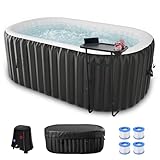
- EFFECTIVE HEATING AND INSULATION: The 1350W double-tube heater pump delivers strong heating power, can warm the water from 68℉ to 104℉(raising the water temperature by 1.8-3.6℉ per hour). Once the desired temperature is reached, the thermostatic system kicks in for optimal energy management; When heating, the included Insulated cover can be used to achieve the better heating effect
- BUBBLE JETS MASSAGE: Indulge in supreme relaxation with the inflatable hot tub, boasting 100 air jets and providing a gentle massage experience for 1-2 people to comfortably enjoy the relaxation and soothing warm hydrotherapy; Do not use the heating and massage bubble functions together, as it will affect the heating effect. It is recommended to use the massage function after heating
- SUPERIOR FILTRATION SYSTEM: Equipped with an advanced filtration system, the hottub can keep the water clean. Two easily replaceable filter cartridges efficiently capture sand, debris, and hair. After 168 hours of use, the heater pump will prompt you to replace the filter for optimal filtration performance. Note: When the filter loses its filtering function, the control panel will automatically alarm and display FC
- LEAK-PROOF PVC MATERIAL: Our blow-up hot tub boasts super waterproofing and high resilience. Three-layer PVC material structure provides resistance to piercing and tearing, againsting abrasions from sharp rocks, and is tightly linked to the pump to avert leaks; The portable hot tub can be easily deflated and folded within minutes, easy to storage
- WARM TIPS: If in a colder environment, the heating time will be longer. It is not recommended to use it in an environment below 10 degrees Celsius; Our spa bathtub packages include: 1 x Inflatable Hot Tub, 1 x Side Table, 1 x Floor Mat, 1 x Heater Pump, 1 x Insulated Cover, 1 x Hose, 3 x Connection Tube, 4 x Filter Cartridges, 2 x Filter Covers, 2 x Repair Kits. If you find any missing parts or problems during use, please let us know immediately, we will solve it for you in time

- ✔ FIBER-TECH BEAM CONSTRUCTION – Innovative Fiber-Tech Technology offers superior structural stability while maintaining a comfortable surface for a luxorious and refreshing spa experience
- ✔ HARD WATER TREATMENT SYSTEM – Built-in Hard Water Treatment System makes water gentler on skin, clothes and the entire spa system; hard water buildup limits water flow and reduces the life of your spa
- ✔ HEATED AIR BUBBLE TECHNOLOGY – The Positive Temperature Coefficient (PTC) heater is designed to maximize heat transfer to the water, while ensuring the highest level of safety, performance, and longevity
- ✔ ENERGY EFFICIENT SPA COVER – High density thermal-resistant foam provides extra insulation and minimizes heat loss; this cover enhances the Spa performance while improving the energy efficiency by as much as 50%
- ✔ OCTAGONAL DESIGN – Designed with an octagonal design, the spa has a 4 person capacity with outer dimensions of 71″ x 71″ x 28″ and inner dimensions of 51″ x 51″ x 28″

- Soothing Airjet Massage System: The Coleman SaluSpa Hawaii hot tub features 140 bubble jets that create a warm and relaxing spa experience for up to 6 people, right from the comfort of your home.
- Energy-Efficient Design: Insulated walls and cover are up to 40% more energy-efficient in keeping your hot tub warmer, compared to similar hot tubs. NOTE: APSP-14 and Title 20 compliant. This model meets all energy efficiency conditions required for sale in the following states: CA, HI, OR, RI, MA, NJ, ME, NY, NV, MD, WA, D.C.
- Durable Construction: MaxHold fabric internal beams provide superior air pressure retention, stability and lightweight portability. Surrounded by a 3-layer Tritech outer layer, this hot tub is proven to be puncture- and damage-resistant. Freeze Shield automatic heating function protects pump and liner from damage due to cold weather.
- Control at Your Fingertips: Compatible with the Bestway Connect app that allows you to control the temperature, timer, filter and massage system from the palm of your hand. The Power-Saving Timer allows you to control the temperature of the water up to 40 days in advance.
- Convenient Features: Equipped with a pump that quickly inflates the hot tub and an easy-to-reach digital control panel to heat water up to 104˚F (40˚C). ChemConnect dispenser maintains clean, clear water by evenly dispersing the proper amount of chlorine.

- ENERGY-EFFICIENT CONSTRUCTION: EnergySense insulated walls and cover are up to 40% more energy-efficient than similar hot tubs; MaxHold fabric internal beams provide superior air pressure retention, stability and lightweight portability; Tritech 3-layer external material offers superior durability and puncture resistance
- RELAXING MASSAGE: AirJet bubble massage, controlled through the multi-function pump, which also inflates the hot tub, controls the heat setting (up to 104ºF/40ºC), and runs the filtration system
- STAYS UP ALL YEAR LONG: Freeze Shield protects the pump and liner from damage due to cold weather; The Power-Saving Timer allows you to control the temperature of the water up to 40 days in advance
- PERFECT FOR 2-4 PEOPLE: 71 in. x 26 in. (1.80 m x 66 cm) hot tub is the perfect size for up to 4 adults, with a water capacity of 177 gal. (669 L)
- EVERYTHING YOU NEED: Set includes 1 hot tub, 1 cover, 1 pump, 1 filter cartridge (IV), 1 ChemConnect chemical dispenser, 1 repair patch
Why Compact Spas Are Taking Over Modern Backyards
The modern homeowner faces a unique challenge that previous generations rarely encountered. Property sizes are shrinking while the desire for wellness amenities continues to grow. Small hot tubs bridge this gap perfectly, delivering premium relaxation without demanding excessive square footage.
Urban dwellers particularly appreciate how compact spas transform underutilized balconies, patios, and side yards into personal retreats. The rise of remote work has accelerated this trend, with more people investing in home-based wellness solutions rather than gym memberships or spa visits. A small hot tub pays for itself through convenience, offering therapeutic benefits whenever you need them without leaving your property.
Beyond space considerations, compact models appeal to those seeking lower utility bills, reduced water usage, and easier maintenance. Many first-time buyers find smaller units less intimidating to operate, creating an accessible entry point into hot tub ownership.
Balancing Luxury with Space Restrictions
Luxury and limited space are no longer mutually exclusive concepts in the hot tub industry. Manufacturers have invested heavily in engineering compact spas that rival larger models in jet performance, heating capabilities, and comfort features.
Today’s small hot tubs often include premium touches like LED lighting systems, Bluetooth audio connectivity, waterfalls, and ergonomic seating designed by hydrotherapy specialists. The key lies in understanding which features matter most to your personal wellness goals and selecting a model that prioritizes those elements.
Space restrictions actually encourage more thoughtful design. Without excess room, every jet must serve a purpose, every seat must deliver comfort, and every feature must earn its place. This focused approach often results in a more satisfying hydrotherapy experience than larger tubs where water pressure gets distributed across dozens of jets.
What We Will Cover in This Guide
This guide provides a complete roadmap for anyone considering a small hot tub purchase. We begin by defining exactly what qualifies as a compact spa, exploring dimensions, capacities, and the distinct advantages these units offer.
You’ll find our carefully curated list of the top 10 small hot tubs for 2026, selected based on rigorous criteria including build quality, hydrotherapy performance, energy efficiency, and overall value. Our comprehensive buying guide walks you through every decision point, from measuring your space to choosing between plug and play and hardwired electrical options.
We also address common concerns head-on, including deck weight limits, jet power in smaller pumps, and noise considerations for close neighbors. By the end, you’ll possess the knowledge needed to select the perfect compact spa for your lifestyle and budget.
What Qualifies as a Small Hot Tub
Small hot tubs typically accommodate between one and four people, with external dimensions measuring under 7 feet in both length and width. These compact units prioritize efficient use of space while maintaining genuine hydrotherapy capabilities and comfortable seating arrangements.
The designation “small” refers to physical footprint rather than feature limitations. Modern compact spas often match or exceed larger models in jet power, heating efficiency, and construction quality. Understanding what defines this category helps buyers set appropriate expectations and identify products that genuinely fit their needs.
Defining Dimensions and Capacity

Most small hot tubs range from approximately 5 feet by 5 feet for two-person models to 6.5 feet by 7 feet for four-person configurations. Height typically falls between 29 and 34 inches, with deeper models offering enhanced water coverage for taller users seeking full-body immersion.
Water capacity in compact spas generally spans 150 to 300 gallons, compared to 400 to 600 gallons in full-sized models. This reduced volume translates to faster heating times, lower chemical usage, and decreased water bills during refills. However, smaller volumes also require more vigilant water chemistry monitoring, as bather load impacts balance more quickly.
Weight considerations prove crucial for installation planning. A small hot tub filled with water and occupied by users can weigh between 1,500 and 3,000 pounds. This concentrated weight requires proper foundation support, whether you’re placing the unit on a reinforced deck, concrete pad, or specialized spa base.
The Appeal of Compact Spas for Urban Living

Urban environments present unique challenges that make small hot tubs particularly attractive. Apartment balconies, townhouse patios, and narrow side yards often cannot accommodate traditional large spas, leaving compact models as the only viable option.
Beyond physical constraints, urban dwellers appreciate the discretion smaller units provide. A compact spa tucks neatly into corner spaces, behind privacy screens, or beneath pergola structures without dominating the entire outdoor living area. This subtle integration preserves space for other activities while still offering a dedicated relaxation zone.
City noise actually enhances the value proposition of hot tub ownership. The ambient sounds of jets and bubbling water create a personal oasis that masks urban background noise, providing mental escape without requiring a countryside retreat. For those exploring options, One Hot Tub offers extensive resources for finding models suited to various living situations.
Key Benefits of Owning a Smaller Unit
Compact hot tubs deliver several distinct advantages that extend beyond their space-saving nature. Understanding these benefits helps buyers appreciate why smaller often means smarter when selecting a personal spa.
Energy Efficiency and Lower Operating Costs

Smaller water volumes require less energy to heat and maintain at desired temperatures. Most compact spas reach target temperatures within 8 to 12 hours from a cold start, compared to 24 hours or more for larger models. Once heated, quality insulation retains warmth efficiently, minimizing the ongoing energy expenditure.
Monthly operating costs for small hot tubs typically range from $15 to $40, depending on usage frequency, local electricity rates, and insulation quality. This represents significant savings compared to larger spas that often cost $50 to $100 monthly to operate. Over several years of ownership, these differences compound into substantial savings.
Chemical expenses also decrease proportionally with water volume. Fewer gallons mean smaller doses of sanitizers, pH adjusters, and other maintenance products. Combined with lower water and heating costs, small hot tubs deliver luxury experiences at remarkably accessible operating expenses.
Intimacy and Therapeutic Focus
Smaller seating configurations create naturally intimate experiences ideal for couples, solo relaxation, or close family time. Without excess space separating bathers, compact spas encourage conversation and connection in ways larger party-oriented tubs cannot match.
Hydrotherapy benefits actually concentrate in well-designed small tubs. Rather than spreading pump power across 60 or more jets, compact models typically feature 15 to 30 strategically positioned jets delivering focused pressure to key muscle groups. This targeted approach often provides more effective therapeutic massage than diluted larger systems.
For those seeking purely personal relaxation, a 1 Person Hot Tub takes this concept to its logical conclusion, offering maximum therapeutic intensity for solo users who prioritize hydrotherapy over social bathing.
Versatility in Installation Locations
Small hot tubs unlock installation possibilities that remain inaccessible to larger models. Indoor installations become practical with compact dimensions, allowing year-round protected use in basements, sunrooms, or dedicated spa rooms with proper ventilation.
Outdoor placement options multiply as well. Small decks, covered porches, screened enclosures, and even some balconies can support properly sized compact spas. This flexibility empowers buyers to optimize their living spaces creatively rather than accepting that hot tub ownership requires specific property characteristics.
Portability also improves with smaller units. While no hot tub moves easily once installed, compact models weigh less when drained and fit through standard doorways and gates. This simplifies initial delivery and provides reassurance for renters or those anticipating future moves.
Top 10 Small Hot Tubs Editor’s Picks for 2026
After extensive research, hands-on testing, and analysis of user feedback, our editorial team has curated a list of the ten best small hot tubs available in 2026. These selections span various price points, power configurations, and feature sets to address diverse buyer needs.
Each model earned its position through demonstrated excellence in build quality, hydrotherapy performance, energy efficiency, and overall value. Detailed individual reviews are available through our product pages, where you’ll find specifications, real user experiences, and current pricing information.

- Soothing Airjet Massage System: The Coleman SaluSpa Miami hot tub features 120 bubble jets that create a warm and relaxing spa experience for up to 4 people, right from the comfort of your home.
- Energy-Efficient Design: Insulated walls and cover are up to 40% more energy-efficient in keeping your hot tub warmer, compared to similar hot tubs. NOTE: APSP-14 and Title 20 compliant. This model meets all energy efficiency conditions required for sale in the following states: CA, HI, OR, RI, MA, NJ, ME, NY, NV, MD, WA, D.C.
- Durable Construction: MaxHold fabric internal beams provide superior air pressure retention, stability and lightweight portability. Surrounded by a 3-layer Tritech outer layer, this hot tub is proven to be puncture- and damage-resistant. Freeze Shield automatic heating function protects pump and liner from damage due to cold weather.
- Stays Up All Year Long: Freeze Shield protects the pump and liner from damage due to cold weather. The Power-Saving Timer allows you to control the temperature of the water up to 40 days in advance.
- Convenient Features: Equipped with a pump that quickly inflates the hot tub and an easy-to-reach digital control panel to heat water up to 104˚F (40˚C). ChemConnect dispenser maintains clean, clear water by evenly dispersing the proper amount of chlorine.
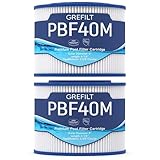
- SPECIFICATIONS: Length: 6 1/4″; Outside Diameter: 8″; Top: 3 3/8″; Bottom: 3 3/8″; Filtration Area: 30 sq.ft.; Core: No Core; Package Quantity: 2 Filters
- PERFECT FIT: Our spa filter cartridges are engineered to precisely replace for popular models including Pleatco PBF40M, Pleatco PBF40-M, Wellspring 10-00282 Bullfrog Filter, and other compatible models. NOTE: This is a compatible spare part and the manufacturers’ names and part numbers have been used for reference purposes only. Grefilt is an independent brand
- NSF CERTIFIED: Grefilt hot tub filter with NSF-certified safe filter materials ensures that water purity meets strict US standards. Only select quality filters for your family to guarantee the safety, health, and happiness of your loved ones
- EASY TO MAINTAIN: Simple installation with no special tools required. The spa filters are easy to clean, and we recommend cleaning them every 2 weeks for optimal performance
- LONG-LASTING: Built with corrosion-resistant end caps and reinforced polyester fiber, this spa filters for hot tub is designed to withstand the elements, providing long-lasting performance and reliable filtration
- Soothing Airjet Massage System: The Coleman SaluSpa Hawaii hot tub features 140 bubble jets that create a warm and relaxing spa experience for up to 6 people, right from the comfort of your home.
- Energy-Efficient Design: Insulated walls and cover are up to 40% more energy-efficient in keeping your hot tub warmer, compared to similar hot tubs. NOTE: APSP-14 and Title 20 compliant. This model meets all energy efficiency conditions required for sale in the following states: CA, HI, OR, RI, MA, NJ, ME, NY, NV, MD, WA, D.C.
- Durable Construction: MaxHold fabric internal beams provide superior air pressure retention, stability and lightweight portability. Surrounded by a 3-layer Tritech outer layer, this hot tub is proven to be puncture- and damage-resistant. Freeze Shield automatic heating function protects pump and liner from damage due to cold weather.
- Control at Your Fingertips: Compatible with the Bestway Connect app that allows you to control the temperature, timer, filter and massage system from the palm of your hand. The Power-Saving Timer allows you to control the temperature of the water up to 40 days in advance.
- Convenient Features: Equipped with a pump that quickly inflates the hot tub and an easy-to-reach digital control panel to heat water up to 104˚F (40˚C). ChemConnect dispenser maintains clean, clear water by evenly dispersing the proper amount of chlorine.
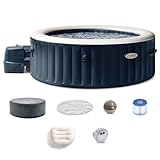
- Heated Air Bubble Technology – Immerse yourself in heated air bubbles that relax your body, melt away stress, and leave you feeling rejuvenated. The heating system adjusts to fit your personal temperate preference, for an optimal spa experience.
- Energy-Efficient Spa Cover – Keep the water warmer, longer, with high-density thermal-resistant foam that locks in heat and minimizes loss. This energy-efficient hot tub cover boosts performance, improves efficiency by up to 50%, and lets you enjoy longer, more relaxing spa sessions.
- Fiber-Tech Beam Construction – The plush, supportive inflatable hot tub creates a luxurious escape, while advanced Fiber-Tech Technology delivers lasting strength and stability—so you can unwind with total peace of mind.
- Hard Water Treatment System – Bask in outdoor spa sessions with soft water thanks to the built-in Hard Water Treatment System. By reducing harsh mineral buildup, the treatment system extends the life of your backyard spa.
- Easy Access Filter Replacement – The portable spa is simple to maintain and features an integrated control box design for cartridge filter replacement. Includes two easy-to-replace S1 Type filter cartridges.

- ROCK-HARD RIGIDITY, INFLATABLE CONVENIENCE: Say goodbye to flimsy, sagging pool walls. Built with the same technology as professional paddleboards, our premium drop-stitch construction delivers the unyielding support of a traditional hard-shell hot tub. You can comfortably sit on the edge without it collapsing, enjoying the ultimate durability in a portable hot tub.
- MASSIVE 85″ SIZE & MAXIMIZED INTERIOR: Don’t let thick, bulky walls steal your soaking space. Our sleek 10cm (approx. 4-inch) drop-stitch walls provide a massive 77-inch inner diameter on this 85-inch spa. It offers significantly more legroom compared to standard blow up hot tubs, comfortably fitting 8 adults to stretch out and relax fully.
- 220 soothing massage jets: Transform your backyard into a luxurious wellness retreat. This square outdoor spa features a high-end system with 180 powerful jets that release a cascade of soothing bubbles. The concentrated stream of bubbles massages your back, effectively relieving daily stress and muscle fatigue.
- SMART DIGITAL HEATING SYSTEM: Take full control of your relaxation. The external smart pump rapidly heats the water up to a blissful 104°F (40°C). Use the intuitive digital control panel to easily adjust the temperature, activate the massage bubbles, or set the energy-saving timer to ensure your spa is perfectly heated exactly when you want it.
- FOIL-LINED THERMAL COVER & COMPLETE KIT: We’ve optimized heat retention to lower your energy bills. This package includes a heavy-duty, square top cover upgraded with an interior thermal foil lining to reflect and lock in the heat efficiently. The complete kit also features secure child-safety locks, a matching ground mat, high-pressure hand pump, and filter cartridges—everything you need for a quick setup.

- Saluspa Airjet Hot Tub: Round Cancun AirJet spa provides a soothing massage experience with 140 bubbling warm jets for up to 4 people; The spa can heat water to 104 degrees Fahrenheit for ultimate relaxation
- EnergySense Design: Insulation is constructed with a multi-layered material that is 40% more efficient in keeping your hot tub warmer. NOTE: APSP-14 and Title 20 compliant. This model meets all energy efficiency conditions required for sale in the following states: CA, OR, RI, MA, NJ, ME, NY, NV, MD, WA, D.C.
- Durable Construction: DuraPlus 3-layer material is 33 percent more resistant to punctures and can stretch 56 percent more than PVC; Freeze Shield automatic heating function protects pump and liner from damage due to cold weather
- Includes: Equipped with a pump that inflates, heats, runs filtration, and controls the massage system; Includes: Durable liner, 110-120v heater, ChemConnect dispenser, 2 filter cartridges (VI), and repair patch
- Specifications: Water capacity (80% filled): 177 gallons; Heat range: 40-104 degrees F; 110/120-volt 3-prong plug; Dimensions (L x W x H): 71 x 71 x 26 inches; NOTE: Spa cannot be used in less than 39 degrees Fahrenheit

- Compatibility and Versatility: Compatible with Pleatco PBF40 and PBF40-M, suitable for bullfrog/wellspring 30 Coreless 10-00282. Suitable for cold, warm, and hot water, and various pools, spas, hot springs, and home hot tubs.
- Superior Quality Filtration: High-density PET fabric for improved filtration efficiency. Advanced compact pleated design increases the filter area, efficiently filtering out impurities and harmful particles such as sediment, hair, leaves, and sand, ensuring a safe and clean leisure experience.
- Easy Installation: Wellspring 10-00282 bullfrog filter. Simple installation, no tools required. The larger bottom opening perfectly fits the groove of the spa mounting assembly.The narrow opening goes up, the wider goes down.
- Convenient Cleaning: Easily clean impurities on the filter pleats. Cleaning frequency depends on usage, typically providing several seasons of service. Replace the filter when fabric is stained or clogged.
- Dimensions: This Replacement Filter has an open hole 3 3/8 inches (3.375″) on the top, 4 1/2 inches (4.5″) open hole at the bottom, 6 1/4 inches (6.25″) length, 7 4/5 inches(7.8’’) diameter.
- ENERGY-EFFICIENT CONSTRUCTION: EnergySense insulated walls and cover are up to 40% more energy-efficient than similar hot tubs; MaxHold fabric internal beams provide superior air pressure retention, stability and lightweight portability; Tritech 3-layer external material offers superior durability and puncture resistance
- RELAXING MASSAGE: AirJet bubble massage, controlled through the multi-function pump, which also inflates the hot tub, controls the heat setting (up to 104ºF/40ºC), and runs the filtration system
- STAYS UP ALL YEAR LONG: Freeze Shield protects the pump and liner from damage due to cold weather; The Power-Saving Timer allows you to control the temperature of the water up to 40 days in advance
- PERFECT FOR 2-4 PEOPLE: 71 in. x 26 in. (1.80 m x 66 cm) hot tub is the perfect size for up to 4 adults, with a water capacity of 177 gal. (669 L)
- EVERYTHING YOU NEED: Set includes 1 hot tub, 1 cover, 1 pump, 1 filter cartridge (IV), 1 ChemConnect chemical dispenser, 1 repair patch
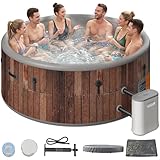
- ROCK-HARD RIGIDITY, INFLATABLE CONVENIENCE: Say goodbye to flimsy, sagging pool walls. Built with the same technology as professional paddleboards, our premium drop-stitch construction delivers the unyielding support of a traditional hard-shell hot tub. You can comfortably sit on the edge without it collapsing, enjoying the ultimate durability in a portable hot tub.
- MASSIVE 77″ SIZE & MAXIMIZED INTERIOR: Don’t let thick, bulky walls steal your soaking space. Our sleek 10cm (approx. 4-inch) drop-stitch walls provide a massive 70-inch inner diameter on this 77-inch spa. It offers significantly more legroom compared to standard blow up hot tubs, comfortably fitting 6 adults to stretch out and relax fully.
- 180 soothing massage jets: Transform your backyard into a luxurious wellness retreat. This square outdoor spa features a high-end system with 180 powerful jets that release a cascade of soothing bubbles. The concentrated stream of bubbles massages your back, effectively relieving daily stress and muscle fatigue.
- SMART DIGITAL HEATING SYSTEM: Take full control of your relaxation. The external smart pump rapidly heats the water up to a blissful 104°F (40°C). Use the intuitive digital control panel to easily adjust the temperature, activate the massage bubbles, or set the energy-saving timer to ensure your spa is perfectly heated exactly when you want it.
- FOIL-LINED THERMAL COVER & COMPLETE KIT: We’ve optimized heat retention to lower your energy bills. This package includes a heavy-duty, square top cover upgraded with an interior thermal foil lining to reflect and lock in the heat efficiently. The complete kit also features secure child-safety locks, a matching ground mat, high-pressure hand pump, and filter cartridges—everything you need for a quick setup.

- Heated Air Bubble Technology: Immerse yourself in heated air bubbles that relax your body, melt away stress, and leave you feeling rejuvenated. The heating system adjusts to fit your personal temperate preference, for an optimal spa experience.
- Insulated Spa Cover: Keep the water warmer, longer, with the insulated ground cloth and insulated spa cover, letting you enjoy longer, more relaxing spa sessions.
- Horizontal Beam & Mesh Construction: The horizontal beam construction delivers lasting sturdiness, while the strong mesh exterior resists punctures and abrasions—so you can unwind with total peace of mind.
- Hard Water Treatment System: Bask in outdoor spa sessions with soft water thanks to the built-in Hard Water Treatment System. By reducing harsh mineral buildup, the treatment system extends the life of your backyard spa.
- Easy Access Filter Replacement: The portable spa is simple to maintain and features an integrated control box design for cartridge filter replacement. Includes two easy-to-replace S1 Type filter cartridges.
Why These Small Hot Tubs Are the Best
Selecting top-performing small hot tubs requires systematic evaluation across multiple criteria that matter most to real-world users. Our methodology combines technical analysis with practical experience testing to identify models that genuinely deliver on their promises.
The compact spa market includes hundreds of options ranging from budget inflatable tubs to premium hardshell units. Separating truly excellent products from mediocre alternatives demands attention to construction details, performance measurements, and long-term reliability indicators.
Our Criteria for Ranking Compact Spas
Effective evaluation requires consistent standards applied fairly across all candidates. Our ranking criteria reflect the factors that most significantly impact owner satisfaction over years of use.
Build Quality and Shell Durability
Shell construction forms the foundation of any hot tub’s longevity and performance. We prioritize models using thick acrylic sheets backed by fiberglass reinforcement or high-quality roto-molded polyethylene designed for extended outdoor exposure.
Surface finish quality affects both aesthetics and maintenance requirements. Premium shells resist staining, scratching, and UV degradation, maintaining their appearance for a decade or more with basic care. We examine warranty terms closely, as manufacturer confidence in shell durability typically correlates with actual performance.
Cabinet construction also receives scrutiny. Weather-resistant synthetic materials outperform wood in most climates, requiring less maintenance while providing equivalent structural support. Proper cabinet design ensures adequate ventilation for equipment while protecting components from moisture damage.
Hydrotherapy Performance in Limited Space
Jet count alone tells an incomplete story. We evaluate pump specifications, jet placement, and adjustability to understand actual hydrotherapy delivery. A well-designed 20-jet system often outperforms a poorly implemented 40-jet configuration.
Water flow rates measured in gallons per minute reveal pump capability more accurately than horsepower ratings alone. We test multiple seating positions, assessing how effectively jets target shoulders, upper back, lower back, calves, and feet. Adjustable jet nozzles earn extra consideration for allowing personalized massage intensity.
The relationship between seating ergonomics and jet positioning proves crucial. Even powerful jets deliver disappointing results if they miss key muscle groups due to awkward seat angles or insufficient depth.
Energy Efficiency Ratings and Insulation
Operating costs accumulate continuously throughout ownership, making energy efficiency a primary value consideration. We examine insulation approaches, including full-foam filling, partial foam barriers, and thermal blanket systems.
Cover quality significantly impacts heat retention. We assess cover thickness, hinge durability, seal effectiveness, and R-value specifications. A superior cover can reduce heating costs by 30% or more compared to basic alternatives.
Pump and heater efficiency ratings receive technical analysis. Modern variable-speed pumps adjust output to match demand, consuming far less electricity than older single-speed designs running continuously at full power.
Brand Reputation and Warranty Coverage
Established manufacturers with documented track records inspire greater confidence than unknown brands offering similar specifications at lower prices. We research company histories, manufacturing locations, and customer service reputations through verified owner feedback.
Warranty terms reveal manufacturer confidence and protect buyer investments. We compare shell warranties (typically 5 to 10 years for quality models), equipment coverage (2 to 5 years), and labor provisions. Clear warranty language without excessive exclusions indicates a company committed to standing behind its products.
Parts availability and service network density affect long-term ownership experience. Even excellent hot tubs eventually require maintenance, and accessible parts combined with qualified local technicians prevent frustrating downtime.
Value for Money Across Different Budgets
We evaluate products within their respective price categories rather than penalizing affordable models for lacking premium features they never claimed to offer. Budget, mid-range, and luxury segments each have standout performers delivering exceptional value for their cost.
Total cost of ownership calculations extend beyond purchase price. We factor in estimated energy consumption, chemical requirements, and maintenance needs over a five-year horizon. Sometimes higher initial investment yields lower lifetime costs through superior efficiency and durability.
Feature relevance receives careful consideration. A waterfall adds nothing to the experience of buyers who won’t use it, while robust insulation benefits everyone regardless of preference. We favor practical features over flashy additions that primarily inflate prices.
Comprehensive Buying Guide for Small Hot Tubs
Purchasing a small hot tub involves numerous decisions that impact installation success, daily satisfaction, and long-term ownership costs. This buying guide addresses each consideration systematically, empowering informed choices aligned with your specific circumstances.
Taking time to evaluate options carefully prevents costly mistakes and ensures your investment delivers the relaxation and therapeutic benefits you’re seeking. The following sections cover physical requirements, configuration choices, and technical specifications that vary significantly across available models.
Determining the Right Size and Dimensions
Size selection involves more than simply choosing how many people can soak simultaneously. Physical dimensions must align with available space, access pathways, and structural support capabilities.
Measuring Your Space Accurately

Begin by measuring your intended installation area precisely. Record length, width, and any limiting factors like overhangs, fences, or nearby structures. Allow minimum clearance of 18 inches on service access sides for equipment maintenance and at least 24 inches on entry sides for safe stepping in and out.
Vertical clearance matters for covered installations. Calculate height from the foundation to any overhead structures, ensuring adequate space for standing, cover removal, and potential future cover lifters. Indoor installations require even more vertical consideration for proper ventilation airflow.
Create a scaled diagram of your space and overlay potential hot tub dimensions. This visual exercise reveals fit issues before purchase and helps optimize placement for privacy, views, and convenience.
Access and Delivery Pathway Considerations
The hot tub must reach its installation location. Measure all gates, doorways, and narrow passages along the delivery route. Most small hot tubs fit through 36-inch openings when tilted, but some configurations require wider access.
Vertical obstacles create complications. Low-hanging wires, tree branches, and narrow stairways may prevent certain delivery approaches. Discuss pathway concerns with dealers before purchasing, as crane delivery adds significant expense when standard methods prove impossible.
Grade changes and ground conditions affect wheeled delivery equipment. Steep slopes, soft soil, and gravel surfaces complicate maneuvering loaded spa dollies. Prepare pathways in advance by laying plywood sheets over problematic terrain if necessary.
Seating Configuration and Comfort
Seating design dramatically impacts daily enjoyment. Different configurations suit different use patterns, and personal comfort preferences vary considerably.
Lounge Seats vs Bench Seating

Lounge seats allow full-body reclining with extended legs, placing feet opposite the entry point. This configuration provides excellent lower body jet access and a relaxed posture ideal for passive soaking.
However, loungers consume significant space, reducing capacity and limiting flexibility. A two-person model with one lounge seat effectively becomes a one-person model when the lounger is occupied, as the remaining user sits at the feet area.
Bench seating arranges users around the perimeter in more upright positions. This traditional configuration maximizes capacity relative to footprint and allows easier movement between positions. Many users prefer the more engaged posture for conversation and active hydrotherapy.
Two-Person vs Three-to-Four Person Capacities
Couples without children often find 2 Person Hot Tubs ideal, providing intimate experiences without excess space that serves no purpose. These compact models fit the smallest spaces while delivering focused hydrotherapy for two.
Families or those anticipating occasional guests should consider three or four-person models despite slightly larger footprints. The flexibility to accommodate children or visitors prevents future regrets about limiting capacity too severely.
Consider realistic usage patterns honestly. Many buyers overestimate how frequently they’ll host multiple guests in their hot tub. If 90% of sessions involve one or two people, optimize for that scenario rather than rare gatherings.
Power Requirements and Voltage

Electrical configuration significantly impacts performance capabilities, installation complexity, and operating costs. Understanding the tradeoffs between available options guides appropriate selection.
Plug and Play 110V Options
Standard household 120V outlets power plug and play models, enabling simple setup without electrical modifications. These units suit renters, those with budget constraints, and buyers prioritizing installation convenience.
Performance limitations apply to plug and play spas. Shared 15 or 20-amp circuits restrict simultaneous heater and pump operation, extending heating times and sometimes requiring temperature recovery between sessions. Jets typically run on lower-powered pumps than hardwired alternatives.
Despite limitations, quality 110V models deliver genuine relaxation and therapeutic benefits. Many owners find performance perfectly adequate for regular use, particularly in warmer climates where heating demands decrease.
Hardwired 220V High-Performance Models
Dedicated 220V circuits provide substantially more power for heating and jet operation. These installations require licensed electricians, permits, and dedicated breaker space, adding several hundred dollars to initial costs.
The performance benefits justify electrical investment for many buyers. Faster heating, hotter sustained temperatures, more powerful jets, and simultaneous heater/pump operation transform the soaking experience. Serious hydrotherapy enthusiasts typically prefer hardwired configurations.
Some models offer conversion capability, allowing initial 120V use with later 220V upgrade. This flexibility suits buyers uncertain about long-term commitment or those purchasing before home electrical capacity exists.
Material and Construction Types

Hot tub construction materials affect durability, insulation, weight, and overall quality. Three primary construction types dominate the small hot tub market.
Acrylic Shells
Acrylic remains the premium shell material for traditional hot tubs. Thick acrylic sheets formed into shape then reinforced with fiberglass backing create strong, attractive, and durable surfaces.
Quality varies significantly across acrylic products. Superior models use thicker sheets (1/4 inch or more), multiple fiberglass layers, and UV-stabilized formulations that resist fading. Economy acrylic tubs may use thin sheets prone to flexing, cracking, or rapid appearance degradation.
Acrylic shells offer the widest color and texture options, allowing buyers to match existing outdoor décor. The material resists staining and cleans easily with appropriate products.
Roto-Molded Polyethylene
Rotational molding produces seamless polyethylene shells that eliminate potential leak points present in acrylic/fiberglass assemblies. This manufacturing approach creates inherently waterproof structures resistant to cracking and impact damage.
Weight reduction represents a significant advantage. Roto-molded tubs weigh substantially less than acrylic equivalents, simplifying delivery and reducing structural support requirements. This makes them excellent candidates for deck installation where weight limits concern.
Aesthetic options are more limited than acrylic, with most roto-molded shells available only in basic colors with textured finishes. Buyers prioritizing durability and practicality over luxury appearance often appreciate this value-oriented construction.
Inflatable Options
Inflatable hot tubs occupy the entry-level segment, offering hot tub experiences at dramatically lower purchase prices. Modern inflatable designs have improved significantly from early unreliable models.
Portability and storage capabilities distinguish inflatables from permanent alternatives. Seasonal users can deflate and store these units during winter, reclaiming patio space and eliminating cold-weather maintenance concerns.
Performance limitations remain significant. Inflatable walls cannot support built-in jets, forcing reliance on external bubble systems that provide gentle massage rather than targeted hydrotherapy. Heating efficiency suffers without rigid insulation. Durability typically spans 2 to 5 years versus 15 to 20+ years for quality hardshell models.
Detailed Comparison Insights
Comparing different hot tub types, price segments, and installation approaches reveals tradeoffs that affect purchasing decisions. Understanding these comparisons helps buyers identify which compromises align with their priorities.
Hard Shell vs Inflatable Small Hot Tubs

The fundamental division in compact spa options separates permanent hardshell models from temporary inflatable alternatives. Each approach suits different buyer circumstances.
Durability and Longevity
Hardshell hot tubs represent long-term investments with expected lifespans of 15 to 25 years with proper maintenance. Quality shells resist environmental damage, and mechanical components can be replaced as needed, extending service life indefinitely.
Inflatable models typically last 2 to 5 years before material degradation, punctures, or equipment failure necessitate replacement. While warranties cover defects, the inherent limitations of flexible vinyl construction cannot match rigid alternatives for durability.
Cost per year of use often favors hardshell despite higher initial investment. A $6,000 spa lasting 20 years costs $300 annually, while a $600 inflatable replaced every 3 years costs $200 annually but delivers inferior experience throughout.
Heating Performance Differences
Insulation quality creates dramatic heating efficiency differences. Hardshell tubs with full-foam insulation retain heat effectively, with well-designed models losing only 2 to 3 degrees over 24 hours while covered.
Inflatable walls provide minimal insulation value. External air bladders and thin bottom materials allow rapid heat loss, forcing heating systems to work continuously and consuming substantially more electricity for equivalent temperatures.
In cold climates, this difference intensifies. Inflatable tubs may struggle to reach or maintain target temperatures when ambient temperatures drop below 40°F, while properly insulated hardshell models perform consistently regardless of external conditions.
Price Point Analysis

Understanding price segment characteristics helps buyers calibrate expectations and identify appropriate value targets.
Budget-Friendly Entry Level Tubs
Entry-level hardshell small hot tubs range from $2,500 to $4,500. These models typically feature basic jet configurations (15 to 25 jets), standard insulation packages, and essential controls without premium features.
Quality within this segment varies considerably. Some budget models cut corners on insulation, shell thickness, or component quality, creating ownership frustrations despite attractive pricing. Researching specific models and reading verified owner reviews prevents disappointing purchases.
Inflatable tubs occupy the sub-$1,000 space, offering hot tub experiences at remarkably low cost. Those uncertain about long-term commitment or needing temporary solutions find reasonable value here despite performance limitations.
Mid-Range Value Spas
The $4,500 to $7,500 segment represents the sweet spot for most small hot tub buyers. Models here typically offer enhanced jet systems (25 to 40 jets), improved insulation, LED lighting, and better warranty coverage than entry-level alternatives.
Manufacturing quality improves noticeably in this range. Thicker shells, more robust cabinets, and higher-grade pumps and heaters provide reliable performance over extended ownership periods. Many buyers find this segment offers the best balance of features, quality, and price.
Competition intensifies among mid-range options, benefiting consumers through feature innovation and value optimization. Carefully comparing similar models often reveals significant specification differences at comparable prices.
Luxury Small Hot Tubs with Premium Features
Premium compact spas priced above $7,500 incorporate advanced features, superior materials, and enhanced therapeutic capabilities. These models suit buyers who prioritize performance and aesthetics without significant budget constraints.
Luxury features may include saltwater sanitation systems, Wi-Fi connectivity with smartphone control, premium audio systems, and advanced jet configurations designed by hydrotherapy specialists. Shell materials, surface finishes, and cabinet aesthetics reach their highest quality expressions in this segment.
Whether premium pricing delivers proportional value depends entirely on individual priorities. Those who’ll utilize advanced features daily may find luxury models worthwhile, while casual users might find mid-range alternatives equally satisfying.
Indoor vs Outdoor Placement for Small Tubs
Installation location affects requirements, experiences, and maintenance considerations. Both indoor and outdoor placements offer distinct advantages worth understanding.
Ventilation Requirements for Indoor Use
Indoor hot tub installation demands serious attention to humidity management. Warm water continuously releases moisture that damages building materials, promotes mold growth, and creates uncomfortable environments without proper ventilation.
Dedicated exhaust systems must move humid air outside efficiently. Professional HVAC consultation is recommended before committing to indoor installation. Required ventilation capacity depends on room size, insulation, and hot tub surface area.
Dehumidification systems provide supplemental moisture control but cannot replace adequate exhaust ventilation. Indoor installations typically require both mechanical ventilation and dehumidification for complete humidity management.
Foundation and Decking Support for Outdoors
Outdoor placement requires proper foundation capable of supporting concentrated weight indefinitely. Concrete pads at least 4 inches thick with appropriate reinforcement provide ideal support. Allow curing time of at least 28 days before loading new concrete.
Existing decks may or may not support hot tub weight safely. Calculate total filled weight (water plus spa plus occupants) and consult structural specifications or a qualified contractor. Many decks require reinforcement before hot tub installation.
Ground-level placement offers advantages including easier access without steps, reduced structural concerns, and simpler installation. However, drainage and leveling require attention to prevent water accumulation and ensure proper operation.
How to Use and Maintain a Small Hot Tub
Proper usage and maintenance practices maximize enjoyment while extending equipment lifespan. Small hot tubs require more vigilant attention than larger models due to their reduced water volumes.
Establishing consistent routines prevents problems before they develop. Understanding the unique characteristics of compact spa maintenance helps owners avoid common mistakes that diminish water quality and equipment performance.
Managing Water Chemistry in Smaller Volumes
Water chemistry management proves more demanding in small hot tubs than in larger alternatives. Reduced volumes magnify the impact of every variable, requiring more frequent testing and adjustment.
Why Small Water Volumes Fluctuate Faster
A 200-gallon hot tub used by two adults experiences higher relative bather load than a 400-gallon tub with the same users. Perspiration, body oils, lotions, and other contaminants concentrate more quickly in smaller volumes, accelerating chemical consumption and pH shifts.
Temperature fluctuations also intensify in compact spas. Each use cools water more significantly relative to total volume, triggering more frequent heating cycles. This thermal cycling stresses chemicals and affects their effectiveness.
Testing frequency must increase accordingly. While large hot tub owners might test every few days, small hot tub users should test before each use or at minimum every other day during regular use periods.
Sanitization Routines for Frequent Use
Consistent sanitizer levels prevent bacteria and algae growth while ensuring safe, comfortable soaking. Bromine and chlorine remain the primary sanitization options, each with distinct characteristics affecting small tub performance.
Bromine offers stability advantages in warm water and produces less odor than chlorine. Bromine tablets in floating dispensers provide steady release suitable for smaller volumes. Adjust dispenser vents to achieve appropriate levels without overshooting.
Chlorine works faster and costs less but dissipates quickly at hot tub temperatures. More frequent monitoring and adjustment is necessary compared to bromine. Dichlor granules offer the most practical form for small hot tub chlorine maintenance.
Shock treatments should occur weekly or after heavy use regardless of sanitizer choice. Non-chlorine shock works well for regular oxidation, while occasional chlorine shock provides deeper sanitization.
Energy Saving Tips for Compact Models
Although small hot tubs inherently consume less energy than larger alternatives, optimization practices further reduce operating costs without sacrificing enjoyment.
Utilizing Thermal Covers Effectively
Covers prevent most heat loss in well-maintained hot tubs. Ensure covers fit tightly, replacing worn seals or damaged foam as needed. Even small gaps allow significant heat escape and moisture intrusion that degrades cover insulation.
Floating thermal blankets provide supplemental insulation between the water surface and the cover. These inexpensive additions reduce evaporative heat loss substantially, particularly valuable for owners who use their spas only on weekends.
Remove covers carefully to prevent water accumulation on top from draining into the spa. Pooled water on covers accelerates deterioration and adds unnecessary weight stressing hinges and lifters.
Programming Heater Cycles
Modern hot tub controls allow temperature scheduling that balances readiness with efficiency. Program lower temperatures during extended non-use periods while timing recovery to complete before anticipated sessions.
Avoid cooling hot tubs excessively to save energy. Reheating from significantly reduced temperatures often consumes more electricity than maintaining moderate warmth. Most experts recommend keeping standby temperatures within 5 to 10 degrees of soaking temperatures.
Economy modes reduce pump circulation during idle periods. Use these settings appropriately while ensuring adequate circulation for filtration and chemical distribution. Most systems need minimum four to six hours of circulation daily.
Common Maintenance Mistakes to Avoid
Experience reveals several maintenance errors that particularly impact small hot tub performance. Awareness prevents these issues before they create problems.
Overcrowding and Displacement Issues
Small hot tubs have limited capacity for good reason. Exceeding stated user limits displaces water dramatically, reducing jet coverage and stressing equipment designed for specific volumes.
Each additional person beyond capacity adds contaminants proportionally while reducing the water available to dilute them. Water chemistry suffers accordingly, requiring more aggressive treatment after overcrowded sessions.
Respect manufacturer capacity ratings even when users physically fit. Designed capacity reflects optimal operation rather than maximum possible occupancy. Occasional guests might exceed limits briefly, but regular overcrowding diminishes the ownership experience.
Neglecting Filter Cleaning
Filters capture contaminants continuously, but their effectiveness degrades without regular cleaning. Small hot tub filters work harder per gallon than large tub filters, accelerating the need for maintenance.
Rinse filters with garden hoses weekly, removing visible debris and restoring surface flow. Monthly deep cleaning with filter cleaning solutions dissolves oils and organic matter that rinsing cannot remove.
Replace filters according to manufacturer schedules or sooner if cleaning no longer restores performance. Using worn filters forces pumps to work harder while allowing contaminants to recirculate.
Common Buyer Concerns and Solutions
Prospective small hot tub buyers frequently share similar concerns about suitability, performance, and practicality. Addressing these questions directly helps buyers evaluate whether compact spas meet their needs.
Can a Small Hot Tub Fit on a Balcony or Deck
Many small hot tubs can indeed fit on balconies and decks, but structural verification is essential before proceeding. Understanding weight requirements prevents dangerous installation mistakes.
Understanding Weight Load and Structural Integrity
Calculate total weight by adding empty spa weight, maximum water capacity, and anticipated occupant weight. A typical small hot tub weighs 300 to 500 pounds empty, holds 200 to 300 gallons (approximately 1,670 to 2,500 pounds), and might support 400 pounds of occupants.
Standard residential decks are often designed for 40 pounds per square foot live load. A 6-by-6 foot hot tub area has 36 square feet, theoretically supporting 1,440 pounds using standard decking, far below typical filled weights of 2,500 to 3,500 pounds.
Professional structural assessment is strongly recommended before any deck installation. Many decks can be reinforced cost-effectively, but the evaluation must occur before purchasing and certainly before installation.
Is the Jet Power Sufficient in 110V Models
Plug and play 110V hot tubs deliver genuine jet massage, though at reduced intensity compared to 220V alternatives. Understanding realistic expectations helps buyers assess whether this performance level satisfies their needs.
Analyzing Pump Horsepower and Jet Count
Standard household circuits limit 110V hot tub pumps to approximately 1.5 horsepower. This power must heat water and drive jets, often requiring alternation rather than simultaneous operation.
Jet count in quality 110V models typically ranges from 15 to 25. Lower counts actually benefit performance, as available pump power concentrates through fewer outlets rather than dissipating across dozens of jets.
For buyers prioritizing powerful hydrotherapy, 220V installation delivers noticeably superior jet performance through 2.5 to 4 horsepower pumps driving 30 or more jets simultaneously. However, many users find 110V jets adequate for relaxation and moderate therapeutic benefits.
Noise Levels in Close Proximity to Neighbors
Sound transmission concerns arise frequently among buyers with nearby neighbors. Understanding noise sources and mitigation strategies enables informed decisions about placement and model selection.
Insulation and Pump Quality Factors
Pump operation produces most hot tub noise. Quality variable-speed pumps running at lower speeds for circulation operate much more quietly than single-speed alternatives running at full power constantly.
Full-foam insulation provides acoustic dampening as well as thermal benefits. Sound-deadening cabinet materials and isolated pump mounting reduce transmission to surrounding areas.
Placement choices affect perceived neighbor impact. Positioning the equipment bay away from property lines, using privacy fencing for additional sound blocking, and selecting operating times considerately all minimize disturbance potential.
Conclusion
Small hot tubs deliver remarkable value for buyers seeking relaxation and hydrotherapy without the space demands, costs, and complexity of larger alternatives. These compact spas prove that luxury amenities adapt successfully to modern living constraints.
Summarizing the Benefits of Going Small
Compact hot tubs excel through focused design, lower operating costs, installation flexibility, and intimate experiences that larger models cannot match. Energy efficiency provides ongoing savings, while reduced chemical and water requirements simplify maintenance.
Space-constrained properties gain access to genuine spa experiences previously impossible. Balconies, small patios, indoor rooms, and narrow side yards all become viable installation locations. This accessibility democratizes hot tub ownership across diverse living situations.
The concentrated hydrotherapy from well-designed small tubs often exceeds larger alternatives that spread pump power too thinly. Strategic jet placement targeting key muscle groups delivers therapeutic benefits efficiently.
Making the Right Choice for Your Lifestyle and Budget
Your ideal small hot tub depends on specific circumstances including available space, electrical capacity, budget, and intended use patterns. Measuring carefully, understanding power tradeoffs, and assessing construction quality prevents disappointing purchases.
Consider realistic usage honestly rather than optimizing for hypothetical scenarios. Solo and couple users typically find two-person models perfectly satisfying, while families benefit from slightly larger three to four-person configurations despite modestly increased footprints.
Budget allocation should prioritize build quality and insulation over flashy features. A well-constructed basic spa outlasts and outperforms feature-loaded economy alternatives. Long-term ownership costs matter as much as initial price.
Final Thoughts on Enhancing Your Home Spa Experience
Investing in a small hot tub represents a commitment to personal wellness and home enjoyment. Regular use delivers proven benefits including stress reduction, improved sleep, muscle recovery, and enhanced social connection.
Proper installation, consistent maintenance, and thoughtful use maximize the return on your investment. The guidance throughout this article prepares you for successful ownership from selection through years of satisfying soaking.
Your compact spa journey begins with understanding needs, researching options, and selecting the model best aligned with your lifestyle. The relaxation awaiting in your own backyard makes the decision process worthwhile.
Frequently Asked Questions About Small Hot Tubs
What is the smallest hot tub available
The smallest hot tubs are designed for one person and typically measure approximately 4 feet by 5 feet with water capacity around 100 to 150 gallons. These ultra-compact units fit in the tightest spaces while providing genuine hydrotherapy benefits for solo relaxation. Some models configure as corner units that maximize floor space efficiency in small bathrooms or patios.
How much does a small hot tub cost to run monthly
Monthly operating costs for small hot tubs typically range from $15 to $40 depending on local electricity rates, climate, insulation quality, and usage frequency. Well-insulated models in moderate climates using efficient covers fall toward the lower end, while older or poorly insulated units in cold regions approach the higher end. Quality insulation represents the most significant factor affecting ongoing energy expenses.
Can you put a small hot tub on a standard deck
Standard decks often cannot support hot tub weight without reinforcement, as filled spas typically weigh 2,500 to 3,500 pounds concentrated in a small footprint. Professional structural evaluation is essential before deck installation. Many decks can be reinforced with additional support posts and beams, making installation possible after appropriate modifications. Never assume deck adequacy without qualified assessment.
Do small hot tubs heat up faster than large ones
Yes, small hot tubs heat significantly faster than larger models due to reduced water volume. A typical compact spa heats from cold to 100°F in 8 to 12 hours, while full-sized models often require 18 to 24 hours. This faster heating enables more spontaneous use and quicker recovery between sessions. The heating advantage particularly benefits buyers in moderate climates who occasionally lower temperatures during extended non-use periods.
Is a plug and play hot tub worth it regarding performance
Plug and play hot tubs provide genuine value for buyers prioritizing convenience, portability, or cost savings over maximum jet power. Performance suits relaxation and moderate hydrotherapy effectively, though those seeking powerful therapeutic massage may prefer hardwired alternatives. The simpler installation without electrician costs makes plug and play models attractive entry points for first-time buyers uncertain about long-term commitment.
How long do small hot tubs typically last
Quality small hot tubs last 15 to 25 years with proper maintenance, comparable to larger alternatives using similar construction methods. Acrylic and roto-molded shells prove extremely durable, while pumps and heaters may require replacement every 7 to 12 years. Regular maintenance, balanced water chemistry, and protective covers maximize lifespan. Inflatable models have significantly shorter lifespans of 2 to 5 years due to material limitations.
Can tall people fit comfortably in a small hot tub
Most small hot tubs accommodate users up to 6 feet 2 inches comfortably, though specific models vary in depth and seat configuration. Taller individuals should prioritize models with deeper water levels (32 inches or more) and bench seating that allows flexible positioning. Testing specific models before purchase is recommended for users over 6 feet. Manufacturers often specify maximum comfortable user height in product specifications.