

Table of Contents - Best Hot Tub Holidays UK 2026: Top 10 Picks Reviewed
- What Makes a Great UK Hot Tub Holiday?
- Best UK Regions for a Hot Tub Break
- Unique Hot Tub Accommodation Types
- Luxury Hot Tub Escapes Worth the Splurge
- Budget-Friendly Hot Tub Breaks
- Romantic Hot Tub Getaways for Couples
- Family Hot Tub Holidays with On-Site Activities
- Dog-Friendly Hot Tub Holidays in the UK
- How to Book Last-Minute Hot Tub Breaks
- Booking Pitfalls & Hidden Costs to Avoid
- Frequently Asked Questions
- Your Next Hot Tub Break Starts Here
This blog post may contain affiliate links. As an Amazon Associate I earn from qualifying purchases.
“Families are ditching holidays abroad for hot tubs, log cabins and stone cottages here in the UK”
That cultural shift is now mainstream. If you’re one of the millions of UK travellers choosing a private hot tub over a package holiday, this guide cuts through the noise of hundreds of aggregator listings. The problem? Most booking sites show you an overwhelming inventory but tell you nothing about hidden fees, which regions offer genuine value, or how to sidestep the classic booking mistakes that leave you paying far more than you budgeted. By the end of this guide, you’ll know exactly which type of hot tub holiday suits your group, your budget, and your preferred corner of the UK — so you can book with confidence, not guesswork. We cover the top providers, best UK regions for hot tub breaks, accommodation types, luxury and budget options, romantic and family getaways, dog-friendly picks, and last-minute booking hacks.
Hot tub holidays in the UK offer everything from budget lodge breaks at Parkdean Resorts to 5-star woodland cabins — with prices ranging from approximately £60 to £500+ per night depending on season and location (provider listings, 2026).
- The Hidden Cost Index: Always check for heating surcharges, cleaning fees, and pet supplements before booking — these can add £50–£150 or more to your total bill
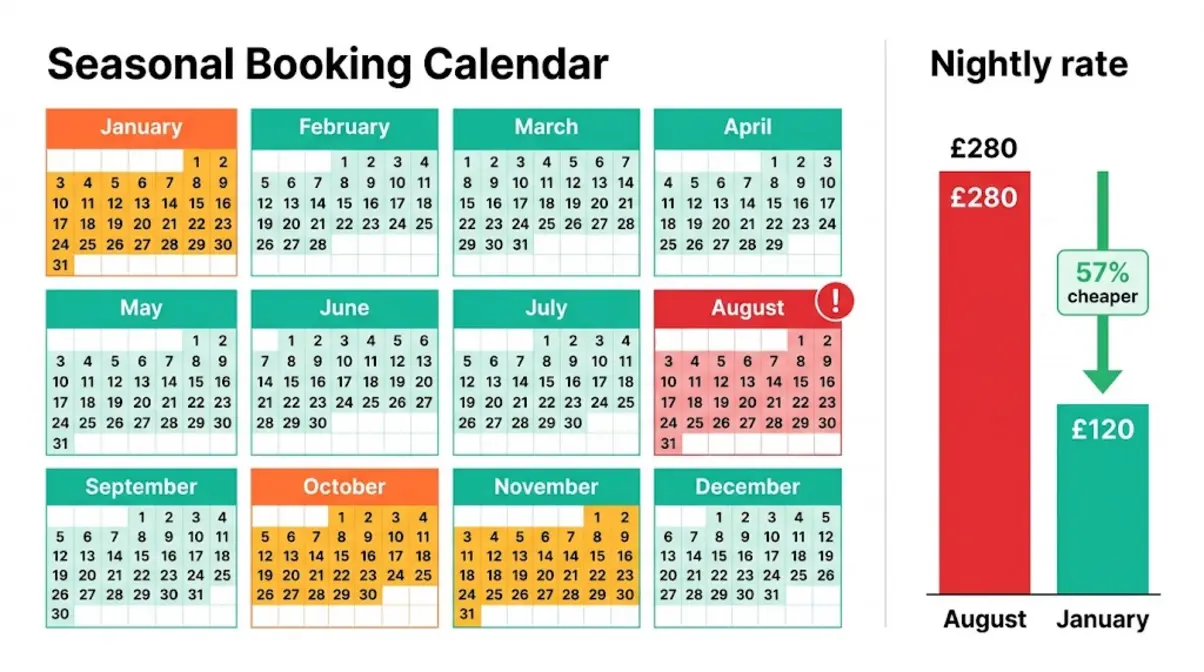
- Best value timing: October and January bookings offer the lowest nightly rates across most UK hot tub lodges
- Top providers: Hoseasons and Cottages.com offer the widest choice; Forest Holidays leads for woodland immersion
- Dog owners: Cottages.com and Away Resorts have the strongest pet-friendly filter options across the UK
What Makes a Great UK Hot Tub Holiday?
The UK hot tub holiday market spans everything from budget coastal lodges to 5-star woodland retreats, with five major booking platforms covering the vast majority of available properties. VisitBritain domestic travel research consistently shows a sustained consumer preference for rural self-catering breaks, with secluded lodges and cabins among the top-performing domestic categories (VisitBritain, 2026). Knowing which provider suits your needs saves hours of searching — and hundreds of pounds.
Our research across major UK providers found that the key differentiator between platforms isn’t inventory size — it’s booking model. Aggregators like Cottages.com and Hoseasons list third-party properties with variable quality control. Direct operators like Forest Holidays and Parkdean Resorts guarantee a consistent product standard. For first-time bookers, that distinction matters enormously. Use the table below to shortlist 2-3 providers, then jump to the section that matches your group type.
Top Providers Compared
| Provider | Type | Key Spec | Best For | Price Range |
|---|---|---|---|---|
| Cottages.com | Aggregator | 60,000+ properties | All budgets | ~£80–£400+ |
| Hoseasons | Holiday Parks | On-site facilities | Family breaks | ~£90–£350 |
| Parkdean Resorts | Holiday Parks | Budget options | Budget families | ~£60–£200 |
| Forest Holidays | Direct Operator | Woodland cabins | Luxury immersion | ~£200–£500+ |
| Canopy & Stars | Glamping | Unique structures | Couples | ~£150–£600+ |
All prices are approximate ranges based on provider listings as of 2026. Verify current pricing directly with each provider before booking.
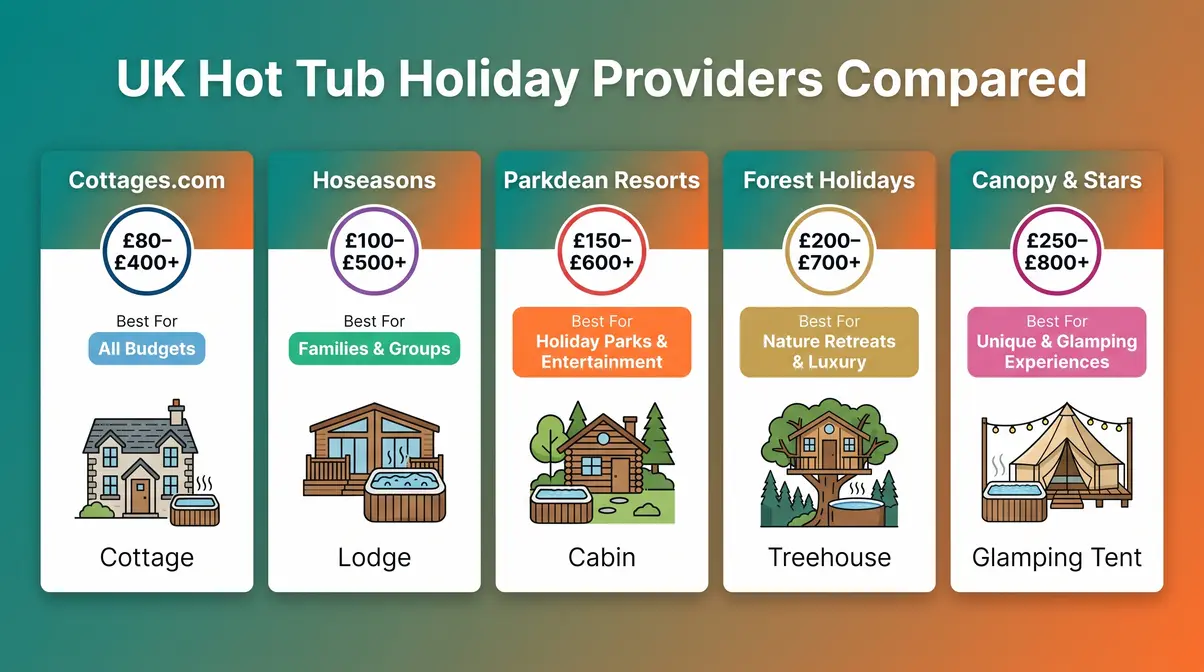
One more thing worth flagging early: the advertised nightly rate is only the starting point. Every provider adds layers of supplementary charges — what we call The Hidden Cost Index — that can significantly inflate your final bill. Head to the Budget section for the full breakdown of the eight fees to check before you commit.
Types of Hot Tub Holidays Available
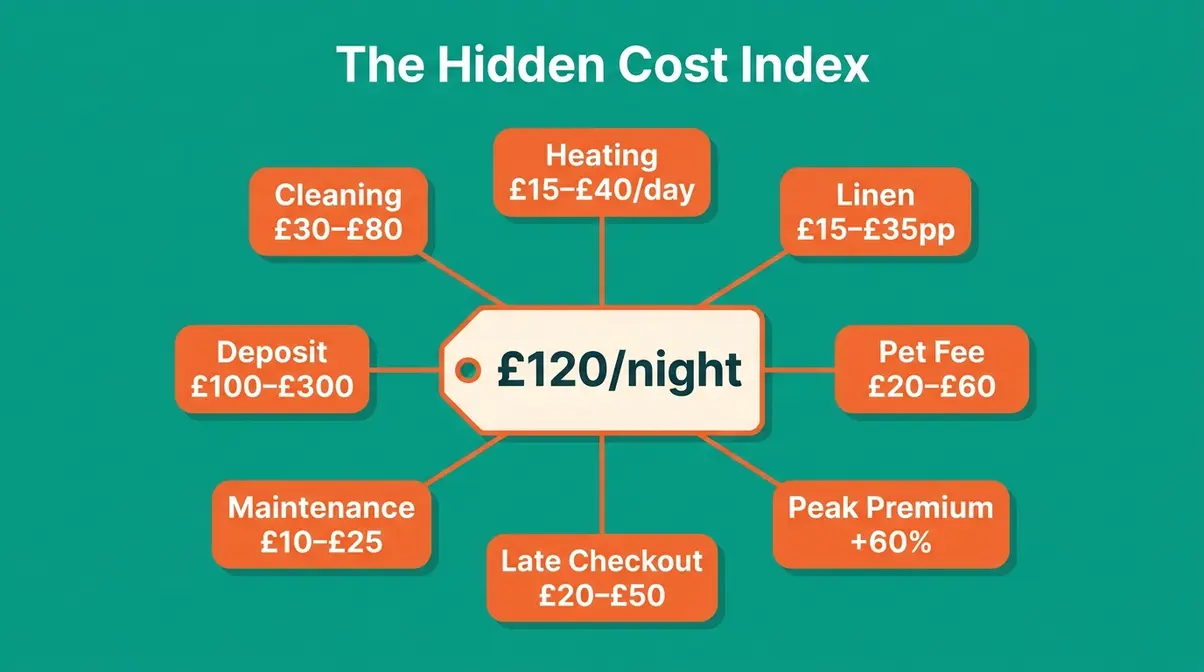
Four main formats dominate the UK market. Lodge parks (Hoseasons, Parkdean) offer shared facilities, on-site entertainment, and lower base prices — ideal for families. Self-catering cottages (Cottages.com) deliver privacy and rural charm, often with more character than a standard lodge. Glamping structures — treehouses, yurts, shepherd’s huts — provide a unique experience at a premium. Woodland cabins (Forest Holidays) sit inside working forests, offering the most immersive nature experience available in the UK. For more details, explore our complete guide to hot tub breaks across the UK, covering all four types in detail, as that resource is worth bookmarking alongside this guide.
Best UK Regions for a Hot Tub Break
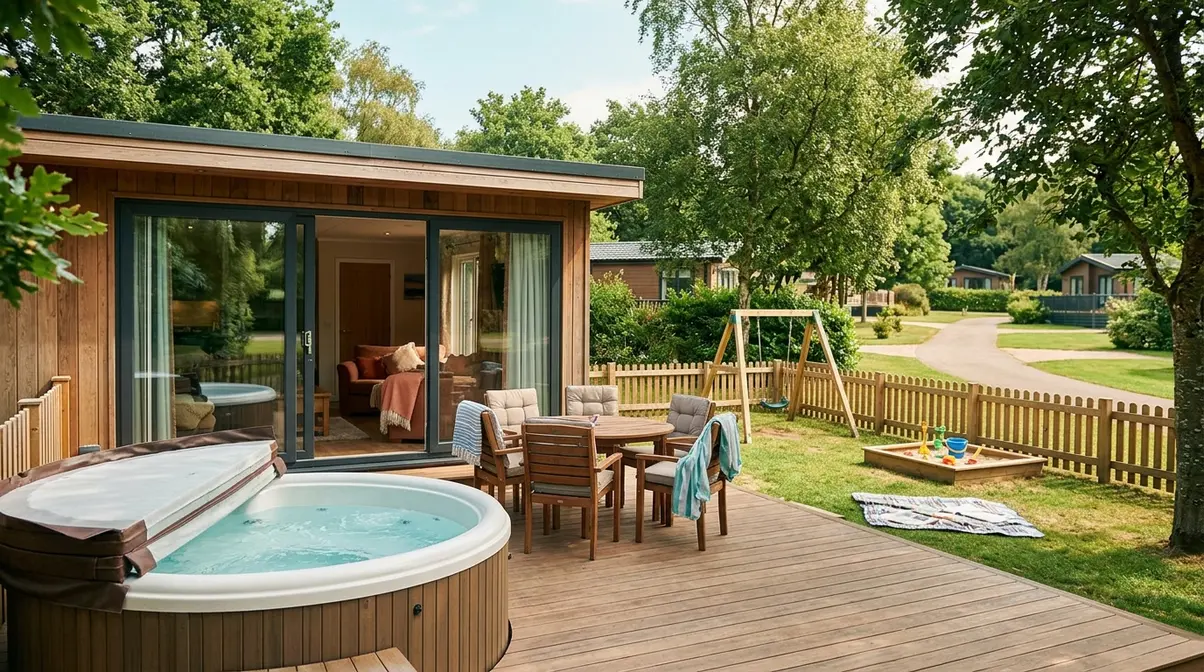
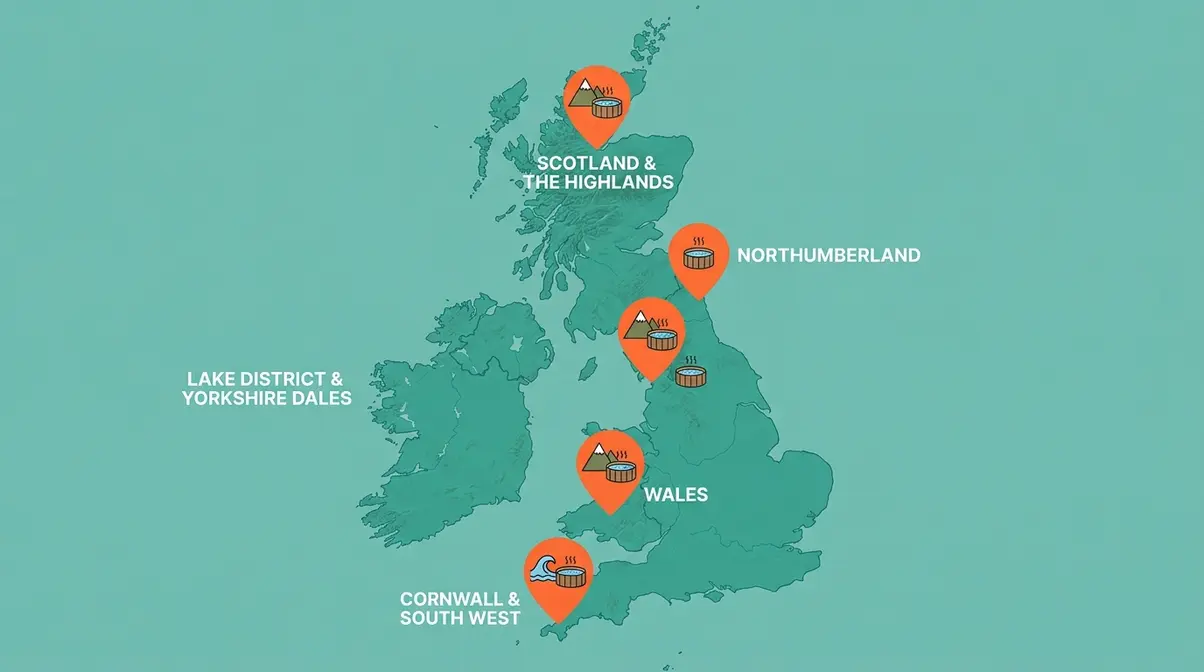
Choosing the right region for your UK hot tub break shapes everything — from the view outside your lodge window to the activities within driving distance. Based on provider listings and booking volume data reviewed for 2026, Scotland, the Lake District, and Cornwall consistently attract the highest demand — and, accordingly, command the highest peak-season prices.
Scotland & the Highlands
Scotland is the undisputed favourite for hot tub holidays in the UK, and the reasons are easy to understand. The Highlands deliver the most dramatic scenery in the country — loch-side lodges, ancient forests, and mountain backdrops that no other region matches. Forest Holidays operates several Scottish sites, including Strathyre and Ardgartan Argyll, where woodland cabins with private hot tubs sit directly within Forestry Scotland land. Prices for a three-night break in Scotland typically range from approximately £250 to £600+, with peak summer and New Year periods commanding significant premiums (Forest Holidays, 2026). For the most authentic Highland experience, the areas around Loch Lomond, Pitlochry, and the Cairngorms National Park offer the widest choice of private lodges.
The Lake District & Yorkshire Dales
The Lake District remains one of England’s most searched hot tub destinations, combining UNESCO World Heritage landscape with strong transport links from Manchester and Leeds. Hoseasons and Cottages.com both carry substantial Lake District inventory, with nightly rates typically ranging from approximately £100 to £350 for properties sleeping four. The Yorkshire Dales offers a quieter, often cheaper alternative — particularly around Wensleydale and Swaledale — where stone farmhouse conversions with wood-fired hot tubs are increasingly popular. A wood-fired hot tub, for context, is one heated by a log burner rather than an electric pump: slower to heat (allow 2–3 hours) but often more atmospheric.
Cornwall, Wales & the South West
Cornwall and Wales attract a slightly different profile of visitor: those seeking coastal scenery alongside their hot tub soak. In Cornwall, the combination of sea views and private outdoor tubs commands a strong premium — expect to pay approximately £150–£400+ per night for coastal properties. Wales has developed a particularly strong budget niche, with self-catering lodges in Snowdonia, the Brecon Beacons, and the Pembrokeshire Coast offering competitive pricing, often 15–25% below equivalent English destinations (Cottages.com provider data, 2026). For travellers asking specifically about cheap hot tub holidays in Wales, the off-season window from November through February offers the best value.
Unique Hot Tub Accommodation Types
Beyond the standard lodge, the UK market now offers a genuinely diverse range of hot tub accommodation — some of which represent far better value than their unusual format might suggest.
Log Cabins & Luxury Lodges
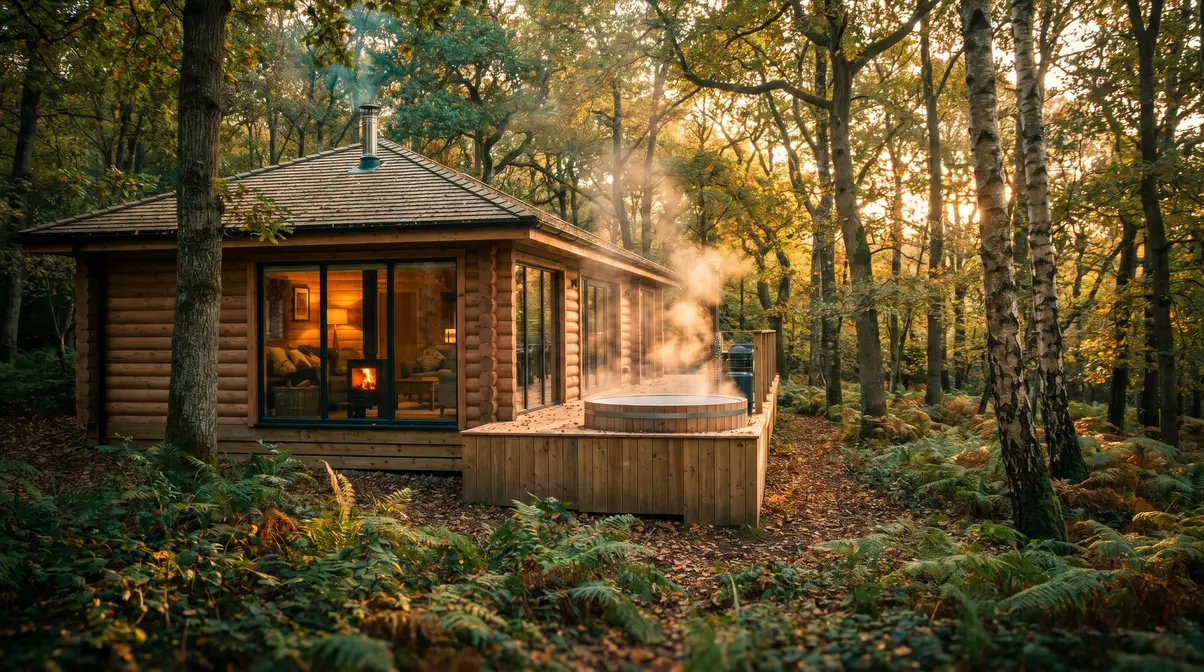
Log cabins and luxury lodges are the most popular format for UK hot tub getaways, and for good reason: they combine the privacy of self-catering with the comfort of a purpose-built holiday property. Forest Holidays’ Golden Oak Cabins — the brand’s premium tier — include a private veranda hot tub, wood-burning stove, and full kitchen. Parkdean Resorts’ lodge range starts more affordably, with static lodges on managed holiday parks that suit families wanting on-site facilities alongside their private tub. The key distinction: lodges on holiday parks share a site with hundreds of other guests; standalone log cabins in woodland or countryside settings offer genuine seclusion. If privacy is your priority, the standalone cabin format is worth the higher nightly rate.
Glamping: Treehouses & Yurts
Glamping with a hot tub represents the fastest-growing segment of the UK staycation market. Canopy & Stars specialises in this format, listing treehouses, shepherd’s huts, and yurts — many with private hot tubs — across England, Scotland, and Wales. Treehouses with hot tubs typically command the highest glamping premium: expect approximately £200–£500+ per night for a well-reviewed treehouse property. Shepherd’s huts offer a more affordable entry point, often from approximately £120–£250 per night, and are particularly well-suited to couples seeking a wholesome weekend away from city life. Yurts tend to be the most budget-friendly glamping option with a hot tub, though heating performance in winter months varies significantly by property.
Canal Boats & Coastal Cottages
Canal boats with hot tubs remain a niche but genuinely distinctive option for couples seeking something different — a handful of specialist operators offer narrowboats fitted with rooftop or stern hot tubs on the English canal network. Coastal cottages with private hot tubs are more widely available, particularly in Cornwall, Northumberland, and the North Yorkshire coast. The combination of sea air and a hot tub soak has made these properties among the most-reviewed on Cottages.com, though the coastal premium means prices rarely dip below approximately £150 per night even in low season.
Luxury Hot Tub Escapes Worth the Splurge
Not every hot tub break is built the same. Across provider listings and travel forum data reviewed for 2026, genuine luxury in this category means more than a bigger tub — it means a complete sensory experience.
Defining a Luxury Hot Tub Break
A truly luxury hot tub break delivers five things beyond the standard offering: a private outdoor hot tub not shared with other guests, high-specification interiors (think underfloor heating, rainfall showers, quality linen), a secluded setting with meaningful views or woodland surroundings, responsive 24/7 property management, and proximity to fine dining or spa facilities. The difference between a £200-per-night lodge and a £400-per-night luxury cabin is rarely the hot tub itself — it’s everything surrounding it. Providers like Forest Holidays at the Golden Oak tier and Canopy & Stars’ top-rated properties consistently score highest on this composite measure across booking review platforms.
Top Luxury Providers to Consider
Darwin Escapes and Forest Holidays lead the luxury segment of hot tub holidays in the UK. Darwin Escapes operates resort-style properties in scenic UK locations with premium lodge accommodation, spa facilities, and private hot tubs. Forest Holidays’ Golden Oak Cabins — available at sites including Sherwood Forest, Delamere, and Glen Affric — represent the strongest woodland luxury offer in the country, with prices from approximately £300–£600+ per three-night break (Forest Holidays, 2026). For those prioritising unique design and seclusion over resort facilities, Canopy & Stars’ five-star rated treehouses and rural retreats consistently attract the strongest reviews for couples’ luxury breaks.
Budget-Friendly Hot Tub Breaks
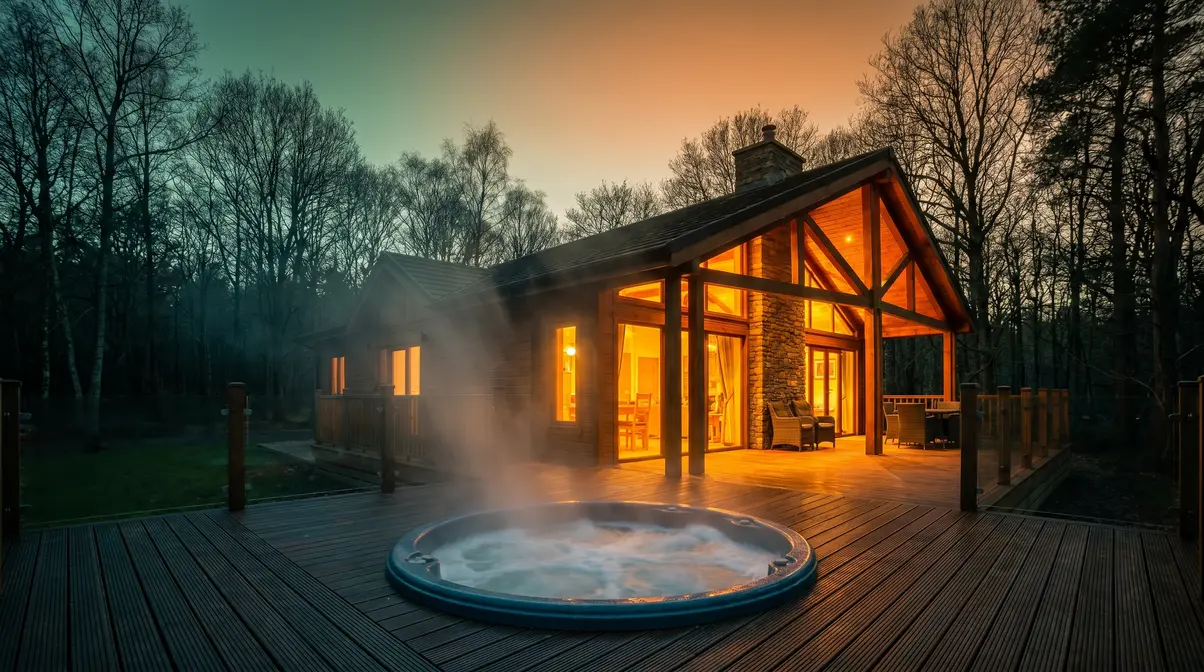
A private hot tub holiday doesn’t have to mean an eye-watering bill — but you do need to know where the costs are hiding. Our research across provider booking platforms found that the advertised nightly rate routinely understates the true cost by 20–35% once all supplementary fees are added.
The Hidden Cost Index: 8 Fees
The Hidden Cost Index is a framework for auditing the true price of a hot tub break before you commit. Based on provider data and booking forum research reviewed for 2026, these are the eight fees most commonly omitted from headline prices:
- Cleaning fee: £30–£80 per stay, typically charged at checkout. Some platforms absorb this; many don’t. Always check the booking summary page.
- Wood-fired hot tub heating surcharge: £15–£40 per day for properties with log-fired tubs. Providers charge this because wood costs money and the tub requires preparation time.
- Bedding and linen pack: £15–£35 per person if not included. Holiday parks in particular often list this as optional — it rarely is in practice.
- Pet supplement: £20–£60 per dog per stay. Varies enormously by provider and property.
- Peak season premium: 30–60% above the base rate for school holidays, bank holidays, and New Year. The headline price shown in searches often reflects the cheapest available week.
- Late checkout fee: £20–£50 if you leave after the standard 10am checkout. Worth checking in advance if you’re driving long distances.
- Hot tub preparation/maintenance fee: £10–£25 per stay at some properties, covering chemical treatment. Not universal but increasingly common.
- Damage deposit: £100–£300 held against your card and refunded post-stay. Not a cost, but it affects your available credit during the break.
Before booking, always click through to the full pricing breakdown — not just the nightly rate displayed in search results.
Budget Providers & Timing Tips
Parkdean Resorts consistently offers the lowest entry-level pricing for hot tub breaks in the UK, with lodge breaks occasionally available from approximately £60–£80 per night in low season (Parkdean Resorts, 2026). Hoseasons’ lodge park inventory also includes strong budget options, particularly for midweek breaks. The two most effective timing strategies our research identified: book January or February for the lowest absolute prices (demand is weakest post-Christmas), and book midweek arrivals (Monday or Tuesday check-ins) rather than the traditional Friday or Saturday — prices can be 15–25% lower for the same property and duration.
How Much Does a UK Hot Tub Holiday Cost?
Prices for UK hot tub breaks range from approximately £60 to £600+ per night, depending on provider, region, accommodation type, and season (provider listings, 2026). Budget lodge parks like Parkdean Resorts start from around £60–£80 per night in low season. Mid-range self-catering cottages with private hot tubs typically run £120–£250 per night. Luxury woodland cabins (Forest Holidays, Golden Oak tier) and premium glamping properties (Canopy & Stars treehouses) sit at the top end, from approximately £300–£600+ per night. Always add 20–35% to the headline rate to account for The Hidden Cost Index fees before comparing options.
Romantic Hot Tub Getaways for Couples
A couple’s getaway centred on a private hot tub has become one of the most searched UK staycation categories — and the market has responded with increasingly well-designed options.
What to Look for in a Couples’ Retreat
The best romantic hot tub breaks share four characteristics: genuine seclusion (no neighbouring lodge within eyeline of the tub), a double hot tub or tub sized for two rather than eight, quality interiors that feel special rather than functional, and proximity to either natural scenery or good restaurants. Based on booking platform reviews analysed for 2026, the most common complaint from couples is hot tubs that are either shared with adjacent guests or visible from a communal path — always check the property photos carefully and read the most recent reviews before committing.
Top Romantic Locations for 2026
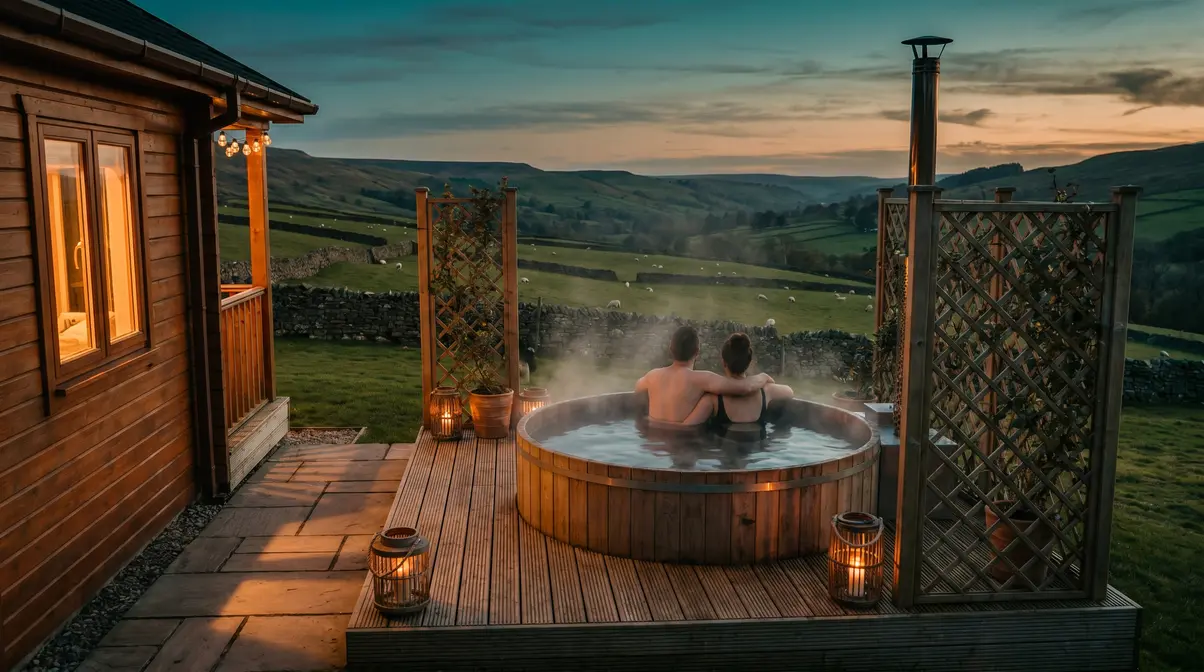
Scotland’s Loch Lomond and Trossachs area leads for dramatic scenery and seclusion. The Yorkshire Dales and North York Moors offer strong romantic credentials at more accessible price points. For coastal romance, the Pembrokeshire Coast in Wales and the Cornish south coast both deliver on atmosphere. Canopy & Stars’ treehouse and shepherd’s hut properties are purpose-built for couples seeking a wholesome weekend that feels genuinely different — many include outdoor baths or hot tubs positioned for stargazing. Forest Holidays’ smaller cabin configurations (sleeping two) at sites like Keldy in North Yorkshire and Strathyre in Scotland represent the strongest woodland romance offer at approximately £200–£400 per three-night break.
Family Hot Tub Holidays with On-Site Activities
Families represent the largest single segment of the UK hot tub holiday market. The combination of a private tub, on-site activities, and self-catering flexibility makes lodge parks in particular a compelling alternative to overseas travel.
Family Safety Checklist
Hot tub safety with young children requires specific checks that most booking platforms don’t surface. Before booking a family hot tub holiday, verify the following:
- Minimum age policy: Many providers set a minimum age of 5 or sometimes 16 for hot tub use. Check the specific property rules, not just the platform default.
- Temperature limits: The UK Health and Safety Executive (HSE) recommends hot tub water temperatures do not exceed 40°C for adults; for children, lower temperatures (37–38°C) and shorter sessions (under 10 minutes) are advised.
- Fencing and covers: Properties with young children should have a lockable hot tub cover or perimeter fencing. Confirm this is in place from property photos or directly with the owner.
- Supervision: Children under 12 should always have an adult in the tub. Never leave children unsupervised near an uncovered hot tub.
- Water hygiene: Ask providers when the hot tub was last serviced and how frequently the water is tested. Reputable operators will have this information readily available.
Family-Friendly Holiday Parks
Parkdean Resorts and Hoseasons’ lodge park inventory offer the strongest combination of on-site family activities and private lodge hot tubs. Parkdean sites like Newquay Holiday Park, Hoburne Blue Anchor in Somerset, and Craig Tara in Scotland include swimming pools, adventure playgrounds, and evening entertainment alongside lodges with private tubs. For families needing larger properties (sleeping 6–10), Cottages.com carries the widest inventory of farmhouses and large self-catering properties with private hot tubs. Away Resorts also merits consideration for families, with well-managed parks combining quality lodge accommodation and family-focused facilities.
Dog-Friendly Hot Tub Holidays in the UK
Finding quality dog-friendly accommodation with a private hot tub used to mean trawling through hundreds of listings. Provider filtering has improved significantly, but the details still require careful checking.
Booking a Pet-Friendly Lodge
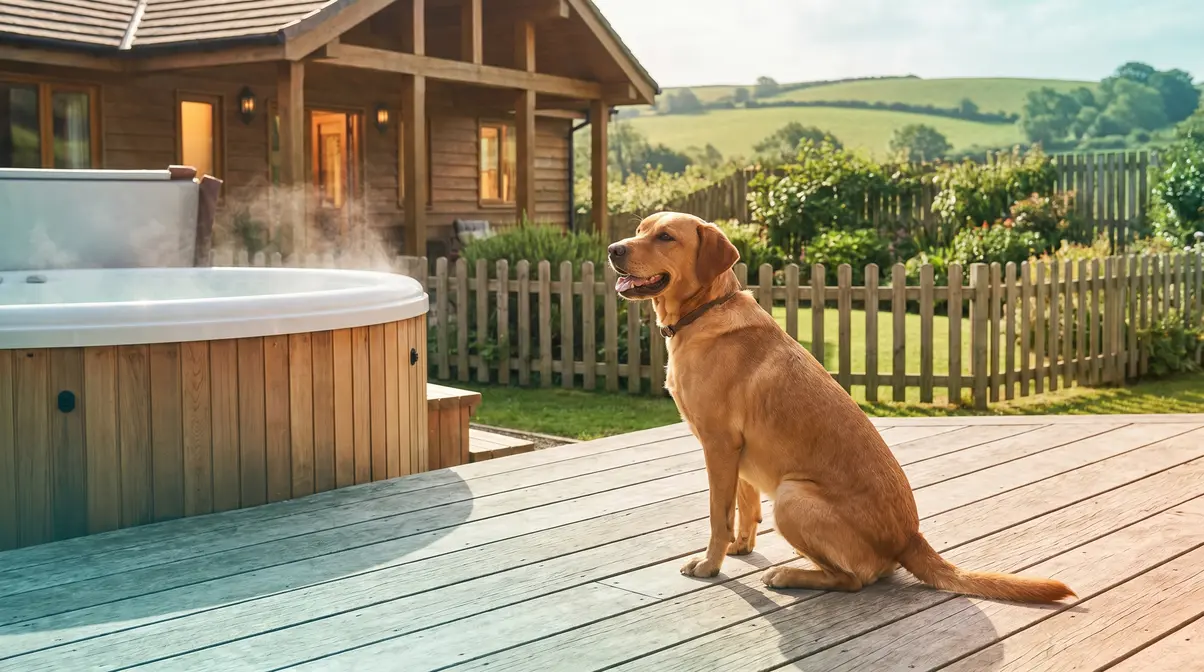
Not all “pet-friendly” listings are created equal. Before booking a dog-friendly hot tub holiday, verify four things: the number of dogs permitted (many properties allow one dog only), whether dogs are permitted in all rooms or restricted to certain areas, the pet supplement charge (typically £20–£60 per dog per stay), and whether the garden or outdoor space is fully enclosed. The Blue Cross advises that dogs should not enter hot tubs — the chemicals used to treat hot tub water can irritate a dog’s skin and eyes, and the heat poses risks for smaller breeds. A fenced garden adjacent to (but separate from) the hot tub is the ideal setup for dog owners.
Top Dog-Friendly Hot Tub Destinations
Cottages.com has the most comprehensive pet-friendly filter across its 60,000+ UK properties, making it the best starting point for dog owners seeking a hot tub break. Away Resorts operates several dog-welcoming parks with private lodge hot tubs, including Whitecliff Bay on the Isle of Wight and Mill Rythe Coastal Village in Hampshire. The Lake District, Northumberland, and Pembrokeshire Coast National Park consistently rank among the most popular destinations for dog owners, combining exceptional walking routes with strong self-catering inventory. For Scotland, the Cairngorms and Loch Lomond areas offer dog-friendly lodges with private hot tubs in genuinely wild settings — the kind of reset you need after a long stretch in the city.
How to Book Last-Minute Hot Tub Breaks
Last-minute hot tub availability in the UK is more accessible than most people assume — particularly outside school holiday periods.
Best Last-Minute Platforms
Hoseasons and Cottages.com both maintain dedicated last-minute and late availability sections, updated in real time. Hoseasons’ “Late Deals” filter surfaces lodge breaks available within the next 21 days, often at reduced rates. Parkdean Resorts also runs a rolling late availability section with genuine discounts on unsold lodge inventory. For glamping and unique stays, Canopy & Stars’ availability calendar is searchable by date range, making it easy to identify properties with immediate openings. Based on provider data reviewed for 2026, the best last-minute availability typically appears on Mondays and Tuesdays, when the previous weekend’s unclaimed bookings are released.
Seasonal Booking Hacks: When Prices Drop
Timing your booking strategically can save 20–40% on the same property compared to peak-season rates. Three proven approaches stand out from our analysis of provider pricing patterns:
Book January for the year’s lowest prices. Demand collapses in January, and providers respond with genuine discounts. A lodge that costs £280 per night in August might be available for £110–£140 in the second week of January.
Target midweek arrivals. Friday and Saturday check-ins carry a premium across almost all UK hot tub providers. A Monday or Tuesday arrival for the same three-night stay can be 15–25% cheaper — and the property is likely to be quieter.
Book 10–14 months in advance for peak periods. The inverse also applies: if you want school holidays, summer bank holidays, or Christmas and New Year, the best properties are released up to 12 months ahead. Waiting for a last-minute deal in August is a losing strategy.
Can You Use a Hot Tub in Winter in the UK?
Yes — UK hot tub lodges operate year-round, and winter is one of the most atmospheric times to use an outdoor hot tub. Sitting in a steaming hot tub while surrounded by frost-covered woodland or coastal views is a genuinely memorable experience. Most providers heat their hot tubs to a maximum of 40°C regardless of air temperature, and quality properties maintain consistent water temperatures throughout winter. Wood-fired hot tubs take longer to heat in cold weather (allow 3–4 hours rather than the standard 2–3), so plan accordingly. January and February bookings also benefit from the lowest prices of the year.
Booking Pitfalls & Hidden Costs to Avoid
Even experienced UK holiday bookers encounter avoidable costs and disappointments with hot tub breaks. Our research identified the most consistent booking pitfalls across travel forums and provider review data.
8 Hidden Costs to Watch For
The Hidden Cost Index introduced in the Budget section applies universally — but these are the eight that generate the most complaints on booking review platforms:
| Fee Type | Typical Range | Where to Find It |
|---|---|---|
| Cleaning fee | £30–£80 per stay | Booking summary / payment breakdown |
| Wood-fired heating surcharge | £15–£40 per day | Property description notes |
| Bedding/linen pack | £15–£35 per person | Optional extras at checkout |
| Pet supplement | £20–£60 per dog | Pet-friendly filter small print |
| Peak season premium | 30–60% above base | Calendar pricing view |
| Late checkout fee | £20–£50 | Terms and conditions |
| Hot tub maintenance fee | £10–£25 per stay | Property description |
| Damage deposit | £100–£300 | Checkout page (refunded post-stay) |
Always request a full itemised quote before confirming any booking. The difference between the headline nightly rate and the true all-in cost is one of the most common sources of post-booking frustration for UK hot tub holiday bookers.
When to Choose a Different Type of Break
A hot tub holiday is not the right choice for every group or occasion. If your party includes guests with certain health conditions — including pregnancy, heart conditions, or low blood pressure — hot tub use carries specific risks that warrant medical advice before booking (HSE guidelines). If your group is primarily activity-focused (cycling, hiking, climbing), a standard self-catering cottage without the hot tub premium will almost certainly offer better value. If you’re travelling with a very large group (10+), the per-person cost of a premium hot tub lodge can exceed a comparable hotel or holiday park package. And if last-minute availability is essential, consider that the most desirable hot tub properties — particularly woodland cabins and glamping structures — book out weeks in advance, making a flexible approach to dates a near-essential requirement.
Frequently Asked Questions
Are hot tub holidays in the UK worth the money?
Hot tub holidays in the UK offer strong value when you factor in the full experience: privacy, scenery, and the convenience of a self-catering break with a luxury feature included. A three-night lodge break with a private hot tub can cost as little as approximately £180–£300 all-in during low season, according to Hoseasons pricing data. This is comparable to a standard hotel stay but provides significantly more space and a premium outdoor feature.
Are hot tub holidays suitable for families with young children?
Hot tub holidays can be excellent for families, provided you verify the property’s specific safety features before booking. Check the minimum age policy, confirm the tub has a lockable cover, and ensure the outdoor space is enclosed. The HSE advises keeping water temperatures at or below 40°C for adults and recommends lower temperatures and shorter sessions for children. Always supervise children in and around the hot tub at all times.
What’s the best time of year to book a hot tub holiday in the UK?
January and October offer the lowest prices for UK hot tub breaks, with January typically delivering the steepest discounts as post-Christmas demand falls. Midweek arrivals (Monday or Tuesday) cost 15–25% less than weekend check-ins for the same property, based on 2026 provider booking trends.
Your Next Hot Tub Break Starts Here
UK hot tub holidays deliver a genuinely compelling alternative to overseas travel — combining privacy, scenery, and the luxury of a private outdoor soak in some of Britain’s most beautiful regions. Based on provider data reviewed for 2026, prices range from approximately £60 per night at budget lodge parks to £600+ for premium woodland cabins, with the true all-in cost typically 20–35% above the advertised headline rate once The Hidden Cost Index fees are applied.
The framework in this guide — understanding provider types, choosing the right region, applying the Hidden Cost Index before booking, and timing your reservation strategically — gives you the tools that major aggregator sites simply don’t provide. Whether you’re planning a couple’s getaway in the Scottish Highlands, a family break on the Yorkshire coast, or a dog-friendly escape in Pembrokeshire, the right information makes the difference between a frustrating search and a confident booking.
Start by shortlisting 2-3 providers from the comparison table, identify your priority region, and run every booking through the Hidden Cost Index checklist before confirming. Your ideal UK staycation with a private hot tub is far more achievable — and more affordable — than the headline prices suggest.