

Table of Contents - Hot Tub Breaks UK: The Ultimate Guide to Luxury Lodges, Cottages and Getaways
- Introduction to Hot Tub Holidays
- Types of Hot Tub Accommodation in the UK
- Top Destinations for Hot Tub Breaks in England
- Hot Tub Escapes in Scotland and Wales
- Tailoring Your Break: Themes and Occasions
- Understanding Hot Tub Safety and Hygiene Standards
- How to Book the Best Deals
- Packing Essentials for a Hot Tub Holiday
- Future Trends in UK Hot Tub Tourism
- Conclusion
- Frequently Asked Questions
- What is the best time of year for a hot tub break in the UK?
- Are hot tubs in holiday rentals sanitary?
- Can children use hot tubs on holiday?
- Do I need to bring my own towels for a hot tub break?
- What is the difference between a wood-fired and electric hot tub?
- Can I take my dog on a hot tub break?
- How long can you safely stay in a hot tub?
This blog post may contain affiliate links. As an Amazon Associate I earn from qualifying purchases.
Hot Tub Breaks UK: Best Lodges, Cottages & Getaways
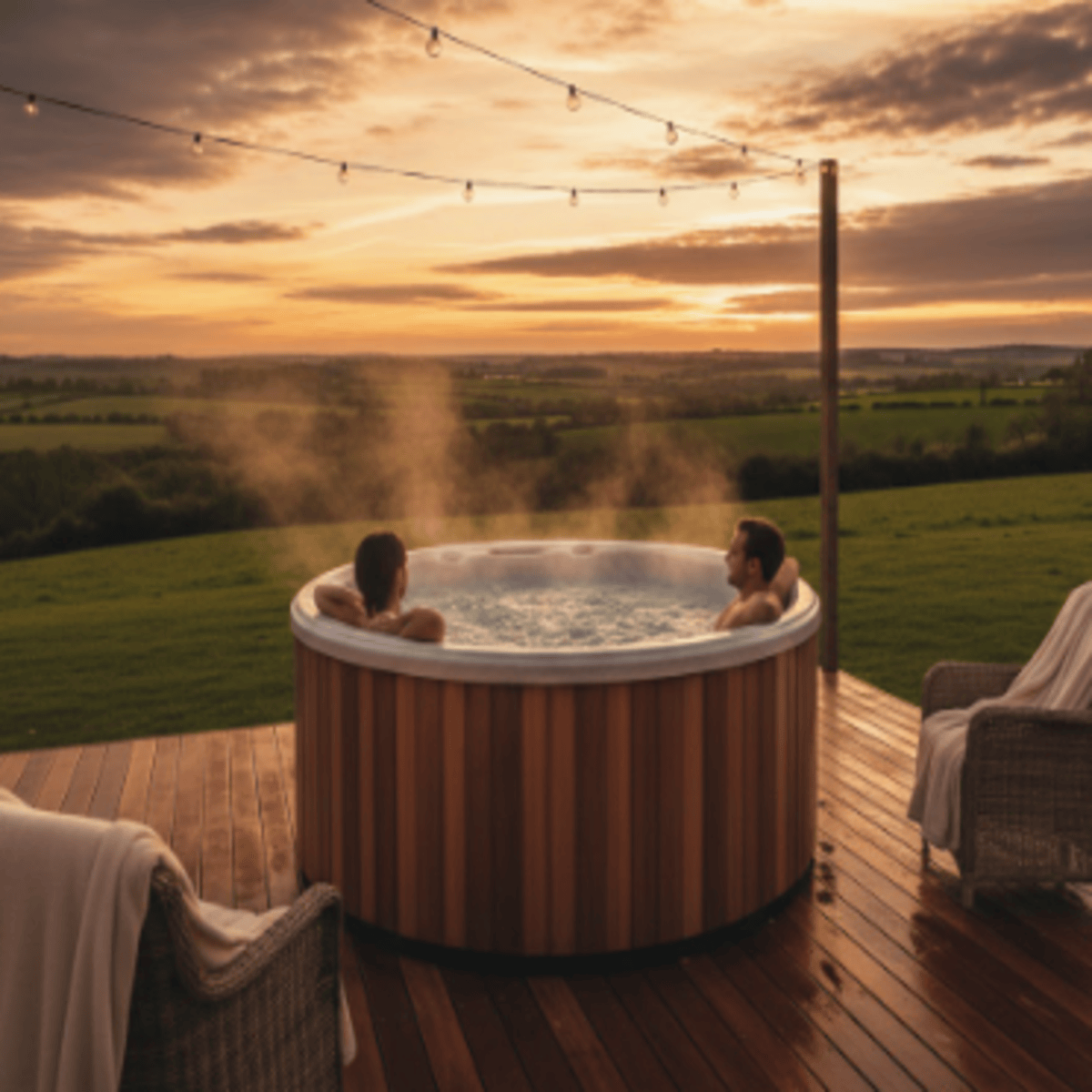
Few experiences capture the essence of a perfect British escape quite like sinking into a steaming hot tub while gazing at rolling hills, starlit skies, or crashing coastal waves. Hot tub breaks in the UK have evolved from a niche luxury into one of the most sought-after holiday experiences, combining the comfort of self-catering accommodation with the indulgence of spa-quality relaxation.
Whether you are planning a romantic weekend, a family adventure, or a celebratory gathering with friends, this comprehensive guide covers everything you need to know about finding, booking, and enjoying the perfect hot tub holiday across England, Scotland, and Wales.
Introduction to Hot Tub Holidays
Hot tub breaks offer a unique blend of privacy, relaxation, and outdoor connection that traditional hotel stays simply cannot match. Understanding what makes these getaways special helps you choose the right experience for your needs and expectations.
The Rise of the UK Staycation and Wellness Travel
The British holiday landscape has transformed dramatically over recent years. What began as a necessity during travel restrictions has blossomed into a genuine preference for many travellers who discovered the charm of exploring their own country.
According to VisitBritain statistics, domestic tourism spending reached over £90 billion in recent years, with self-catering accommodation experiencing particularly strong growth. Within this market, properties featuring hot tubs consistently command premium prices and higher occupancy rates, reflecting genuine demand rather than passing fashion.
The wellness travel sector has merged seamlessly with traditional holiday accommodation. Travellers increasingly seek experiences that restore both mind and body, viewing holiday time as an investment in personal wellbeing rather than mere escape from routine. Hot tub breaks sit perfectly at this intersection of relaxation, nature connection, and accessible luxury.
What Defines a Hot Tub Break
A hot tub break typically involves staying in self-catering accommodation with exclusive access to a private outdoor hot tub. This distinguishes the experience from spa hotel visits, where facilities are shared with other guests.
The defining characteristics include privacy and exclusivity, allowing you to use the tub whenever you wish without booking slots or sharing space. Most hot tub accommodation offers complete self-catering facilities, giving you freedom over meal times and routines. Properties range from rustic glamping pods to designer lodges, but all share the central feature of that bubbling outdoor oasis.
Temperature-controlled electric tubs maintain water between 37 and 40 degrees Celsius, while wood-fired alternatives offer a more hands-on, traditional experience. Both deliver the therapeutic benefits of warm water immersion combined with the sensory pleasure of being outdoors regardless of weather.
Why Hot Tub Getaways Are Trending in the UK
Several factors explain the sustained popularity of hot tub holidays beyond pandemic-era constraints. The British climate, often considered a drawback, actually enhances the hot tub experience. Cool evening air contrasting with warm water creates an invigorating sensation that Mediterranean heat cannot replicate.
Social media visibility has certainly played a role, with hot tub photographs providing the quintessential holiday image. However, repeat booking rates suggest the experience delivers genuine satisfaction beyond photographic opportunity.
The flexibility appeals to diverse groups. Couples seeking intimacy, families wanting safe outdoor entertainment, and friend groups celebrating milestones all find the format adaptable to their needs. Properties exist at virtually every price point, from budget-friendly glamping to ultra-luxury estates with multiple tubs and spa facilities.
Mental Health and Physical Benefits of Hydrotherapy
Hot water immersion delivers measurable therapeutic effects that extend well beyond simple relaxation. Understanding these benefits helps explain why many guests describe hot tub breaks as genuinely restorative rather than merely pleasant.
Warm water causes blood vessels to dilate, improving circulation and reducing blood pressure temporarily. The buoyancy effect reduces joint stress by up to 90 percent, providing relief for those with arthritis, back pain, or muscle tension. Many physiotherapists recommend hydrotherapy as part of recovery programmes for these conditions.
The mental health benefits prove equally significant. Warm immersion triggers parasympathetic nervous system activation, shifting the body from stress response to rest-and-digest mode. Regular users report improved sleep quality, reduced anxiety symptoms, and enhanced mood stability.
Research published in the British Journal of Sports Medicine found that passive heating through hot water immersion can improve cardiovascular markers similarly to moderate exercise. While not a replacement for physical activity, this makes hot tub use particularly valuable for those with mobility limitations or during recovery periods.
For those considering bringing the hot tub experience home permanently, Essential Tips for First-Time Owners provides comprehensive guidance on selection and maintenance.
Types of Hot Tub Accommodation in the UK
The UK accommodation market offers remarkable variety in hot tub properties, from traditional cottages to innovative glamping concepts. Each type delivers a distinct experience suited to different preferences and occasions.
Self-Catering Log Cabins and Lodges
Log cabins and timber lodges represent the most popular category of hot tub accommodation, offering purpose-built spaces designed around the outdoor relaxation concept.
Why Lodges Offer the Best Privacy
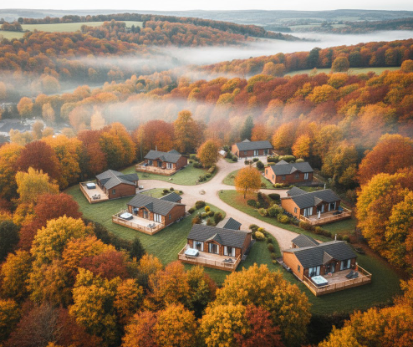
Modern holiday lodge parks position individual properties to maximise seclusion. Thoughtful landscaping, generous plot spacing, and strategic screening create private retreats even within larger resort settings.
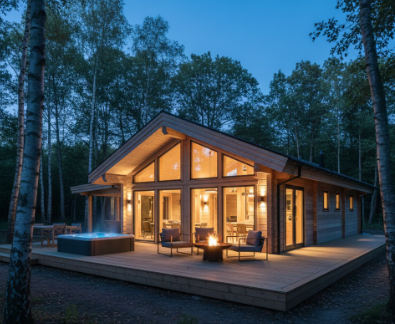
Purpose-built lodges integrate hot tub decking from the design stage, ensuring proper drainage, electrical supply, and positioning for views. Sliding doors typically open directly onto the tub area, creating seamless indoor-outdoor flow that traditional buildings cannot easily achieve.
Privacy levels vary significantly between parks. Premium developments offer woodland settings with substantial distance between lodges, while budget options may position properties closer together with fence screening. Reading reviews specifically mentioning privacy helps set accurate expectations.
Rustic Charm vs Modern Luxury
Lodge styles span the full aesthetic spectrum. Scandinavian-inspired designs feature blonde timber, minimalist interiors, and floor-to-ceiling windows maximising natural light. Traditional log cabin styles use darker timber, stone features, and cosier proportions evoking mountain retreat atmospheres.
Facilities range accordingly. Basic lodges include comfortable furnishings and essential kitchen equipment, while luxury properties feature underfloor heating, designer kitchens, media rooms, and sometimes additional amenities like saunas or games rooms.
For those inspired by the lodge experience to explore permanent hot tub ownership, The Complete Roadmap for US Buyers in 2025 offers detailed guidance applicable to UK purchasers as well.
Holiday Cottages with Private Hot Tubs
Traditional holiday cottages increasingly feature hot tub additions, combining historic character with modern amenities.
Traditional Stone Cottages in Rural Settings
Stone-built cottages in areas like the Yorkshire Dales, Peak District, and Cotswolds offer atmospheric settings impossible to replicate in new builds. Thick walls, exposed beams, and original features create genuine character, while thoughtfully added hot tubs provide contemporary comfort.
Garden positioning varies based on existing layouts. Some cottages feature tubs on private terraces with valley views, while others nestle in enclosed courtyard gardens offering intimate seclusion. Photographs rarely capture the full experience, so detailed descriptions and reviews prove valuable when booking.
Older properties may have quirks including uneven floors, limited parking, or steep stairs that modern lodges avoid. These characteristics add charm for some guests but require consideration for families with young children or those with mobility concerns.
Coastal Cottages with Sea Views
Coastal cottage hot tub experiences rank among the most memorable available in the UK. Properties in Cornwall, Pembrokeshire, Devon, and North Wales offer tubs positioned to capture ocean panoramas.
Watching storms roll in from the sea while immersed in warm water creates dramatic sensory experiences unique to coastal locations. Sunset soaks overlooking beaches prove equally popular, with the combination of fading light, salt air, and warm water producing profound relaxation.
Coastal properties command premium pricing, particularly those with unobstructed sea views. Booking well in advance proves essential for summer dates at sought-after locations. However, autumn and winter breaks offer equally spectacular experiences at reduced rates, with fewer crowds and more dramatic weather.
Glamping Pods, Shepherd Huts, and Yurts
Alternative accommodation styles have embraced hot tub additions enthusiastically, creating unique experiences that blend outdoor adventure with comfort.
The Eco-Friendly Wood-Fired Hot Tub Experience
Wood-fired hot tubs differ fundamentally from electric alternatives. Rather than jets and constant temperature maintenance, wood-fired tubs require you to build a fire in an attached burner, heating water gradually over two to four hours.
This process becomes part of the experience rather than inconvenience. Gathering kindling, building the fire, and monitoring temperature creates ritual and anticipation absent from instant-heat electric tubs. The absence of jets produces a quieter, more meditative soaking experience focused on warmth and stillness rather than massage action.
Environmental credentials appeal to eco-conscious travellers. Wood represents a renewable resource, and off-grid heating avoids electricity consumption. However, the manual process requires effort and planning unsuitable for those seeking instant availability.
Stargazing from a Boutique Glamping Site
Rural glamping sites position properties to maximise dark sky exposure, with hot tubs offering the perfect vantage point for stargazing. Sites in Northumberland, mid-Wales, and the Scottish Highlands feature minimal light pollution, revealing celestial displays invisible from urban locations.
Timing visits around new moon phases maximises star visibility. Several glamping operators provide star charts, telescope loans, or even guided astronomy sessions complementing the hot tub experience.
The combination of warm water, cold air, and infinite sky creates transcendent experiences guests describe as genuinely transformative. Even without astronomical knowledge, simply floating while observing the Milky Way produces profound sense of perspective and calm.
Luxury Hotels with Spa Facilities
Traditional hotels have responded to hot tub demand by incorporating private facilities into premium rooms and suites.
In-Room Jacuzzis vs Communal Spa Areas
Hotel hot tub experiences divide into two categories. Some properties feature in-room jacuzzi baths or private balcony tubs offering exclusive use without leaving your accommodation. Others provide access to communal spa areas with larger hot tubs shared among guests.
Private in-room options suit couples seeking intimacy and spontaneity. You can soak at any hour without booking or encountering other guests. However, indoor jacuzzis lack the outdoor ambiance central to the classic hot tub break experience.
Communal hotel spas offer larger, more powerful tubs often combined with swimming pools, steam rooms, and treatment options. The trade-off involves scheduled access, potential queuing during busy periods, and shared facilities requiring swimwear and social awareness.
Boating Holidays
Perhaps the most unusual hot tub accommodation concept involves floating options on Britain’s extensive canal and river network.
Canal Boats and Narrowboats with Deck Hot Tubs
Innovative holiday boat operators have installed deck-mounted hot tubs on wide-beam canal boats, creating mobile hot tub breaks that drift through British countryside at walking pace.
These experiences combine the novelty of boating holidays with hot tub indulgence. After a day navigating locks and exploring towpath villages, evening soaks aboard your moored vessel offer unique perspectives on rural landscapes.
Practical considerations include limited hot tub size compared to land-based alternatives and the need to manage water and heating while cruising. However, for those seeking genuinely different experiences, floating hot tub holidays represent memorable adventures unavailable anywhere else.
Top Destinations for Hot Tub Breaks in England
England offers remarkable geographic diversity for hot tub holidays, from dramatic northern fells to gentle southern coastlines. Each region delivers distinctive landscapes and experiences worth exploring.
The Lake District and Cumbria
The Lake District remains Britain’s premier destination for combining outdoor activity with relaxation, and hot tub accommodation here reaches exceptional standards.
Windermere and Keswick: Views and Valleys
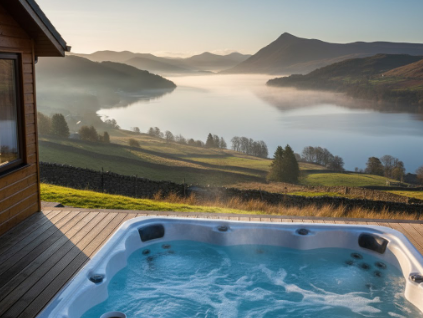
The Lake District National Park, a UNESCO World Heritage Site, provides possibly the most dramatic backdrops for hot tub breaks anywhere in the UK. Properties around Windermere, England’s largest lake, range from waterside lodges to hillside retreats with panoramic valley views.
Keswick in the northern Lakes offers proximity to more rugged landscapes including Skiddaw and Blencathra. Hot tub properties here tend toward smaller, character cottages rather than large lodge developments, reflecting the area’s more traditional tourism approach.
Quality varies significantly across the region. Some properties genuinely deliver the views their photographs promise, while others require realistic expectation management. Checking precise locations using map coordinates rather than relying on area names helps avoid disappointment.
Hiking and Hydrotherapy Combinations
The Lake District excels for combining active days with restorative evenings. Classic fell walks ranging from gentle Latrigg to challenging Helvellyn provide exercise and scenery before returning to soak tired muscles in your private tub.
The contrast between physical exertion and warm water immersion amplifies both experiences. Muscles that might otherwise stiffen overnight recover faster with hydrotherapy, while the mental satisfaction of achievement enhances relaxation depth.
Autumn offers perhaps the ideal season, with crowds diminished, foliage colours spectacular, and cooler temperatures making hot tub use particularly appealing. Spring brings lambing season and wildflower displays, while winter offers occasional snow-capped peaks and the most dramatic temperature contrast between air and water.
Cornwall and the South West
Cornwall and Devon deliver coastal hot tub experiences unmatched elsewhere in England, combining Atlantic drama with milder temperatures.
Coastal Retreats and Beachside Hot Tubs
The Cornish coastline provides extraordinary variety from rugged north coast cliffs to gentler south coast coves. Hot tub properties range from contemporary architect-designed houses perched on clifftops to converted fishermen’s cottages tucked into harbour villages.
Views determine pricing more than any other factor. Properties with unobstructed sea views command substantial premiums, while inland or partially screened alternatives offer better value for those prioritising the hot tub experience over panoramic ocean vistas.
North Cornwall around Padstow, Rock, and Polzeath attracts surfers and foodie tourists, with hot tub properties positioned to watch sunset over the Atlantic. South Cornwall’s milder climate suits year-round visits, with sheltered locations around Fowey and the Roseland Peninsula offering protection from prevailing winds.
Surfing Holidays with Post-Surf Soaks
Cornwall’s reputation as England’s surfing capital creates natural synergy with hot tub breaks. After hours in cold Atlantic waters, returning to a steaming tub provides glorious restoration.
Surf schools operate across the north coast, with Newquay offering the greatest concentration of beaches and instruction options. Many hot tub properties actively market to surfing visitors, providing board storage, wetsuit drying facilities, and outdoor showers for sandy post-session arrivals.
The physical demands of surfing make hydrotherapy particularly beneficial. Paddling strains shoulder and back muscles that respond well to warm water relaxation, while the general fatigue of ocean activity combines with hot tub drowsiness to produce exceptionally deep sleep.
Yorkshire and the Dales
Yorkshire combines rugged moorland with sophisticated cities, offering hot tub breaks that blend countryside escape with cultural exploration.
Remote Farm Stays and Dark Sky Reserves
The Yorkshire Dales National Park contains some of England’s most remote and atmospheric landscapes. Limestone valleys, ancient field barns, and traditional farming communities create settings distinctly different from Lake District grandeur.
Several areas within the Dales hold Dark Sky Reserve status, providing exceptional stargazing conditions from hot tub positions. The Hawes area and upper Swaledale offer particularly dark skies, with properties specifically marketing their astronomical potential.
Farm stay hot tub accommodation connects guests with working agricultural landscapes. Many properties occupy converted barns or farmworker cottages within active farming operations, with lambing season visits offering particularly engaging experiences for families.
Luxury Lodges Near York
York’s status as one of England’s most visited historic cities creates demand for hot tub properties combining countryside relaxation with urban exploration. Lodge parks and cottage complexes within 30 minutes of York deliver both experiences effectively.
Days exploring Roman walls, medieval streets, and the magnificent Minster contrast beautifully with evening retreats to rural hot tub seclusion. The Castle Howard estate area, famous from Brideshead Revisited, contains several quality hot tub properties offering stately home visits alongside countryside tranquillity.
The Peak District
The Peak District’s accessibility from major northern cities makes it Britain’s most visited national park, yet hot tub breaks here can feel remarkably secluded.
Walking Holidays and Countryside Seclusion
The Peak District divides into White Peak limestone plateau and Dark Peak gritstone moorland, each offering distinct character. Hot tub properties scatter across both zones, from valley-bottom cottages to hilltop conversions with sweeping views.
Walking opportunities range from gentle riverside strolls to challenging moorland traverses. The Monsal Trail provides traffic-free cycling along a former railway, while Mam Tor and Kinder Scout offer more serious hill walking. All combine excellently with post-exertion hot tub recovery.
Property density means careful selection matters more here than in remoter regions. Some developments position lodges closely, while others maintain generous spacing. Reviewing aerial imagery and reading privacy-focused reviews helps identify genuinely secluded options.
Norfolk and the Broads
Norfolk offers a gentler landscape than upland national parks, with unique waterway networks and vast skies creating distinctive hot tub break character.
Waterside Lodges and Flat Landscapes
The Norfolk Broads, Britain’s largest protected wetland, provides watery landscapes utterly different from mountain and moorland alternatives. Hot tub lodges beside rivers and broads offer wildlife watching opportunities including otters, kingfishers, and marsh harriers.
The famous Norfolk skies, celebrated by the Norwich School of painters, provide exceptional sunrise and sunset displays visible from hot tub positions. The flat terrain means unobstructed horizons, with evening colour shows reflected in still waters creating memorable visual experiences.
Coastal Norfolk around Holkham and Brancaster combines beach access with hot tub accommodation, offering seal watching trips and vast sandy expanses. The North Norfolk coast holds Area of Outstanding Natural Beauty status, with charming flint-built villages and excellent local food producers.
Forest of Dean and The Cotswolds
These contrasting areas in England’s heart offer woodland mystery and honeyed villages within easy reach of major population centres.
Treehouse Accommodation and Woodland Retreats
The Forest of Dean contains some of England’s most innovative hot tub accommodation, including elevated treehouses offering canopy-level immersion. These properties appeal to families seeking adventure and couples wanting unique experiences beyond standard lodges.
Treehouse hot tubs create genuinely different experiences. Surrounded by branches rather than gardens, soaking among treetops connects guests with woodland ecosystems in ways ground-level properties cannot achieve. Dawn chorus from hot tub height proves particularly memorable.
The Cotswolds offer contrasting character, with honey-stone villages and rolling agricultural landscapes providing quintessentially English settings. Hot tub properties here range from converted farm buildings to purpose-built lodges in estate grounds, with many offering horse riding, fishing, or shooting activities alongside relaxation.
Hot Tub Escapes in Scotland and Wales
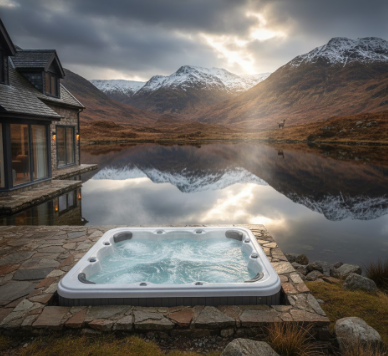
Beyond England, Scotland and Wales provide landscapes of exceptional drama and properties of remarkable quality for hot tub breaks.
Scottish Highlands and Lochside Retreats
Scotland offers perhaps the most spectacular settings for hot tub holidays anywhere in Britain, with properties positioned to capture mountain, loch, and forest views of breathtaking scale.
Wilderness Cabins with Wood-Fired Tubs
The Scottish Highlands contain properties offering genuine wilderness experiences within comfortable accommodation. Remote lodges accessed by single-track roads deliver seclusion impossible in more populated regions.
Wood-fired hot tubs suit the Highland setting particularly well, with the manual heating process connecting guests to traditional land-based practices. Many properties provide firewood from estate management, creating closed-loop sustainability appealing to environmentally conscious visitors.
Wildlife encounters elevate Highland hot tub breaks beyond simple relaxation. Red deer, golden eagles, red squirrels, and pine martens inhabit the forests and mountains surrounding quality properties. Patient evening observers from hot tub positions regularly spot species rarely seen elsewhere in Britain.
Luxury Lodges near Loch Lomond
Loch Lomond and the Trossachs National Park provides accessible Highland experiences within easy reach of Glasgow and Edinburgh. Hot tub lodges here range from waterside positions with loch views to elevated properties overlooking the park’s distinctive peaks.
The area balances accessibility with genuine natural beauty. Day trips to remote Highland areas combine effectively with base locations offering reliable facilities and straightforward access. For those new to Scottish landscapes, Loch Lomond provides ideal introduction before venturing to more remote regions.
Cameron Lodges and similar developments around the loch maintain high standards while offering immediate proximity to water. Kayaking, paddle boarding, and boat trips complement hot tub relaxation, creating active-passive holiday combinations.
Snowdonia and North Wales
Wales compresses remarkable landscape variety into compact geography, with Snowdonia providing mountain grandeur rivalling anywhere in Britain.
Mountain View Lodges
Snowdonia National Park contains Wales’s highest mountains and most dramatic scenery. Hot tub properties position to capture views of Snowdon itself, surrounding peaks, and the remarkable Ogwen Valley.
Property standards have improved dramatically in recent years, with contemporary lodges offering facilities matching Scottish and English equivalents. Traditional Welsh stone cottages with added hot tubs provide character alternatives, particularly in the Dolgellau and Cader Idris areas.
The Welsh language and culture add distinctive flavour absent from English destinations. Local shops, pubs, and attractions operate bilingually, providing cultural immersion alongside landscape appreciation. This sense of visiting somewhere genuinely different enhances the escape quality many travellers seek.
Adventure Weekends with Relaxing Evenings
North Wales has developed exceptional adventure tourism infrastructure, with Snowdonia offering climbing, coasteering, gorge walking, and zip lining alongside traditional hiking and cycling.
Zip World’s various attractions, including the world’s fastest zip line at Penrhyn Quarry, provide adrenaline experiences perfectly complemented by evening hot tub recovery. The contrast between daytime excitement and evening calm creates memorable intensity unavailable from either activity alone.
Surf Snowdonia’s artificial wave facility adds surfing to the adventure mix, with hot tub properties nearby offering convenient bases for wave-focused weekends combined with mountain exploration.
Pembrokeshire Coast
Pembrokeshire delivers Britain’s only coastal national park, with hot tub properties positioned to exploit its exceptional beauty.
Cliffside Cottages with Outdoor Tubs
The Pembrokeshire Coast Path provides 186 miles of spectacular walking, with hot tub accommodation positioned at intervals allowing multi-day hiking combined with nightly relaxation. Properties around St Davids, Britain’s smallest city, and the fishing village of Solva offer particularly attractive bases.
Sea views from Pembrokeshire hot tubs capture Atlantic weather systems with dramatic intensity. Watching storms approach while immersed in warm water creates exhilarating experiences unique to exposed coastal positions. Calmer days reveal seal colonies, dolphin pods, and seabird concentrations along this internationally important coastline.
Wildlife boat trips from coastal harbours add marine encounters to hot tub holidays. Puffin colonies on Skomer Island, grey seal haul-outs, and occasional cetacean sightings create wildlife experiences complementing landscape appreciation.
Tailoring Your Break: Themes and Occasions
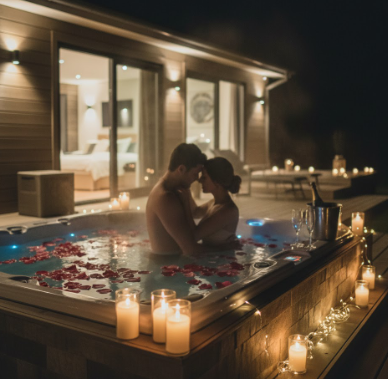
Different travel motivations require different property characteristics. Understanding options helps match accommodation to purpose for maximum satisfaction.
Romantic Hot Tub Breaks for Couples
Couples represent the largest market segment for hot tub breaks, with properties and operators catering extensively to romantic requirements.
Anniversary Getaways and Honeymoons
Special occasion breaks benefit from advance planning with property owners. Many operators offer celebration packages including champagne, chocolates, flowers, or upgraded linens arranged before arrival.
Communicating the occasion when booking often prompts thoughtful touches from owners keen to generate positive reviews and repeat bookings. Even without formal packages, mentioning anniversaries or honeymoons typically results in enhanced welcome experiences.
Privacy matters most for romantic breaks. Properties with genuinely secluded hot tub positions, ideally invisible from any neighbouring property or public viewpoint, create the intimate atmosphere couples seek. Checking this specific detail rather than assuming privacy proves worthwhile.
Adults-Only Locations for Maximum Peace
Several lodge parks and cottage portfolios maintain adults-only policies, guaranteeing freedom from children’s noise and activity. While family-friendly properties work perfectly well for couples visiting outside school holidays, adults-only options provide certainty regardless of timing.
These properties typically attract couples rather than groups, creating generally quieter atmospheres throughout developments. Communal facilities like restaurants or reception areas reflect this demographic, with ambiance suited to romantic rather than family dining.
Essentials: Champagne, Robes, and Seclusion
Romantic hot tub breaks benefit from thoughtful packing and preparation. Quality champagne or prosecco enhances tub-side celebrations, though plastic flutes prove safer than glass around wet areas. Matching robes for pre and post-soak lounging add luxury touches, while Bluetooth speakers enable personalised music enhancing atmosphere.
Candles and fairy lights transform evening tub sessions into genuinely magical experiences. Many properties provide outdoor lighting, but supplementing with your own additions creates personalised ambiance. Battery-powered options avoid electrical hazards near water.
Family-Friendly Hot Tub Holidays
Families increasingly choose hot tub breaks, though different considerations apply compared to adult-only travel.
Safety Considerations for Children
Hot tub use by children requires careful supervision and adherence to safety guidelines. Medical advice suggests children under four should avoid hot tubs entirely due to temperature regulation difficulties in young bodies.
Older children can use hot tubs safely with appropriate precautions including constant adult supervision, limited session times of fifteen to twenty minutes maximum, reduced water temperatures where adjustable, and immediate exit if children show signs of overheating or discomfort.
Many family-oriented properties provide hot tub safety information including lockable covers, temperature guidelines, and supervision requirements. Reading and following these instructions protects children while enabling enjoyable shared experiences.
Lodges with Entertainment Passes and Pools
Major lodge park operators including Center Parcs, Hoseasons, and others offer hot tub properties within larger resort developments featuring swimming pools, activity centres, and entertainment facilities. These options suit families seeking structured activities alongside private hot tub relaxation.
The combination works particularly well for mixed-ability groups. Energetic children can occupy themselves with organised activities while adults enjoy quieter lodge time. Evening hot tub sessions bring families together after diverse daytime experiences.
On-site dining options reduce self-catering pressure for parents, while entertainment programmes keep children engaged during traditionally difficult holiday periods like rainy afternoons.
Large Group Getaways and Celebrations
Group hot tub breaks require properties designed for larger numbers, with considerations beyond simple bedroom counts.
Hen and Stag Dos with Hot Tubs
Celebration weekends represent significant hot tub break occasions, with groups seeking properties combining social spaces with relaxation facilities. Large lodges and barn conversions with hot tubs provide bases for memorable gatherings.
Property owners increasingly specify maximum occupancies and noise policies to manage group bookings effectively. Reading terms carefully before booking prevents disappointment and potential deposit losses. Some properties explicitly welcome or exclude celebration groups, making their policies clear during the booking process.
Hot tub etiquette matters for larger groups. Taking turns to allow comfortable numbers in the tub at any time, maintaining reasonable noise levels especially after dark, and respecting neighbours if applicable all contribute to successful group experiences.
Large Barn Conversions with Multi-Tub Setups
High-end group properties sometimes feature multiple hot tubs, allowing simultaneous use by different group subsets. These properties command premium pricing but deliver experiences impossible in single-tub alternatives.
Barn conversions offer particular advantages for groups, with open-plan living spaces facilitating socialising while multiple bedrooms provide private retreats. Original agricultural features including exposed beams, stone walls, and courtyard layouts create atmospheric settings for celebrations.
Dog-Friendly Hot Tub Breaks
Pet ownership increasingly influences holiday decisions, with dog-friendly hot tub breaks meeting significant demand.
Finding Enclosed Gardens for Pet Safety
Dogs and hot tubs require careful management, with enclosed garden spaces allowing off-lead exercise while preventing tub access. Properties with fully fenced boundaries enable relaxed pet supervision impossible in open-plan developments.
Quality dog-friendly properties provide practical amenities including food and water bowls, dog beds, towels for muddy paws, and information about local walking routes. Some offer additional services including dog sitting, grooming, or daycare arrangements enabling dog-free activities.
Location suitability varies for dogs. Properties near beaches with dog-friendly policies, extensive walking networks, and dog-welcoming pubs enhance canine holidays. Checking seasonal restrictions on popular beaches prevents disappointing discoveries on arrival.
Etiquette: Pets and Hot Tubs Don’t Mix
Dogs should never enter hot tubs regardless of how enthusiastic they appear. Hot water poses health risks to dogs including overheating and chemical exposure from treatment products. Fur contamination compromises water quality and hygiene for human users.
Responsible dog owners maintain clear boundaries, with hot tub areas inaccessible to pets during use. Supervision prevents curious dogs from investigating steaming water, while training reinforces appropriate behaviour around the tub.
Properties may restrict or prohibit dogs from decking areas surrounding hot tubs, with requirements specified in booking conditions. Following these rules protects both pets and deposits.
Understanding Hot Tub Safety and Hygiene Standards
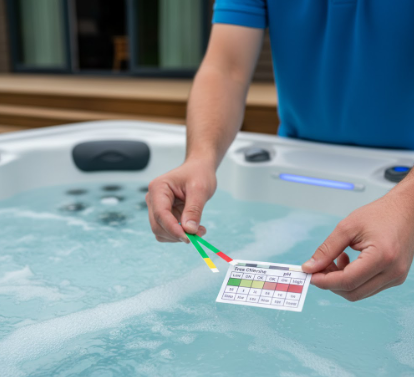
Commercial hot tub operations in the UK must meet stringent safety and hygiene requirements. Understanding these standards helps guests identify well-maintained properties and use facilities safely.
The HSG282 Guidelines Explained
The Health and Safety Executive’s HSG282 document provides comprehensive guidance for managing the health risks from hot tubs and similar commercial water systems. This document represents the authoritative standard for UK holiday hot tub operations.
What Guests Need to Know About Commercial Hot Tub Safety
HSG282 requires property operators to implement systematic management plans covering water treatment, temperature control, cleaning schedules, and user information. Compliance creates safe bathing environments when guests follow provided instructions.
Key requirements include maintaining appropriate disinfectant levels throughout operation, testing water quality at least twice daily during occupation, changing water completely between guest stays, keeping water temperature below 40 degrees Celsius, providing clear user guidance and safety information, and maintaining records demonstrating compliance.
Well-managed properties willingly discuss their hygiene procedures when asked. Operators unable or unwilling to explain their compliance approach warrant caution.
Daily Water Testing and Chemical Balancing
Water chemistry determines both safety and comfort. Understanding the basics helps guests appreciate good maintenance and identify potential problems.
Frequency of Water Changes in Rental Properties
Reputable operators change hot tub water completely between every guest stay, regardless of occupancy length. This practice removes accumulated contaminants, body products, and treatment chemical residues, providing fresh conditions for incoming guests.
Some operators supplement between-stay changes with additional changes during longer bookings. Water quality naturally degrades with use, and extended stays may require intervention to maintain standards.
Guests noticing cloudy water, strong chemical odours, or foam accumulation should report concerns immediately. These indicators suggest maintenance issues requiring attention before continued use.
Identifying a Well-Maintained Tub
Visual inspection on arrival provides useful quality indicators. Clear, odourless water with minimal foam suggests good maintenance. Clean surfaces around jets and waterlines indicate regular attention. Dry, clean deck surroundings reflect overall property care standards.
Documentation should be available explaining emergency contacts, maintenance schedules, and user instructions. Professional operations provide comprehensive information rather than expecting guests to figure things out independently.
Testing equipment availability varies between properties. Some provide test strips enabling guest monitoring, while others rely entirely on staff testing. Either approach works when implemented properly.
Water Clarity, Foam, and Odour Checks
Clear water allows visibility to the tub bottom in good lighting conditions. Cloudiness indicates contamination requiring treatment or water change. Guests should not use visibly cloudy water regardless of reassurances.
Small amounts of foam are normal, particularly with jet activation. Persistent foam surviving jet shutdown suggests accumulated body products requiring treatment. Excessive foam warrants reporting before use.
Mild chlorine or bromine scent is normal and indicates active disinfection. Strong chemical odours suggest over-treatment requiring rebalancing. Any unpleasant non-chemical smells indicate problems requiring immediate attention.
Chlorine vs Bromine Systems
Two main disinfection chemicals serve commercial hot tubs, each with distinct characteristics. Understanding differences helps guests anticipate experiences and communicate any sensitivities.
Chlorine systems are most common, providing effective, economical disinfection. Chlorine dissipates relatively quickly, requiring more frequent testing and adjustment. Some users find chlorine more irritating to skin and eyes, particularly at higher concentrations.
Bromine offers gentler characteristics with less odour and reduced irritation potential. Bromine remains effective longer than chlorine, simplifying maintenance scheduling. However, bromine costs more than chlorine and requires different handling procedures.
Guests with known sensitivities can enquire about disinfection methods before booking. Some properties accommodate requests for lower treatment levels, though safety limits must be maintained.
For those considering home installation, understanding these maintenance requirements proves essential. [One Hot Tub](One Hot Tub) provides comprehensive resources covering all aspects of hot tub ownership and care.
Personal Safety and Usage Rules
Individual behaviour significantly influences hot tub safety. Understanding and following basic rules protects both yourself and future guests.
Alcohol Consumption and Dehydration Risks
Alcohol and hot tubs create dangerous combinations. Warm water accelerates alcohol absorption while impaired judgement increases drowning and injury risks. Dehydration effects multiply in hot water, with alcohol preventing recognition of warning signals.
Moderate consumption with plenty of water and food proves safer than heavy drinking. Avoiding hot tub use when significantly intoxicated represents common sense that saves lives annually.
Hydration matters even without alcohol. Hot water causes sweating that may not be noticeable when immersed. Keeping water nearby and drinking regularly prevents dehydration headaches and more serious heat-related illness.
Time Limits for Soaking
Extended hot tub sessions risk overheating, dehydration, and blood pressure instability. Recommended maximum session lengths range from fifteen to thirty minutes, with breaks for cooling and hydration between sessions.
Individual tolerance varies based on health status, hydration levels, and ambient temperature. Exit the tub immediately if experiencing dizziness, nausea, rapid heartbeat, or excessive sweating. These symptoms indicate overheating requiring cooling and fluid intake.
Evening soaks before sleep benefit from earlier timing. Hot water raises core body temperature, which must fall for quality sleep initiation. Allowing an hour between tub exit and bedtime enables natural cooling and optimal sleep conditions.
Pregnancy and Health Conditions
Pregnancy requires medical consultation before hot tub use. Raised body temperature during early pregnancy carries developmental risks, with most medical guidance recommending avoidance or very limited use during first trimester.
Later pregnancy allows modified use with reduced temperatures and session times, but individual medical advice should always govern decisions. Comfortable positioning becomes increasingly difficult as pregnancy progresses.
Heart conditions, blood pressure abnormalities, diabetes, and other chronic conditions may require medical clearance before hot tub use. When in doubt, consult healthcare providers before booking hot tub breaks or using facilities.
How to Book the Best Deals
Strategic booking approaches can significantly reduce costs or improve value. Understanding market dynamics helps secure optimal combinations of quality, timing, and price.
Seasonality and Pricing Trends
Hot tub break pricing follows predictable seasonal patterns, with understanding these cycles enabling smarter booking decisions.
Peak Summer vs Winter Cosiness
Summer school holidays command highest prices across the hot tub accommodation market. Properties in popular destinations may charge double their off-peak rates for July and August bookings, with availability booking out months in advance.
Winter offers entirely different value propositions. Lower demand creates better prices, while the experience itself often improves. Cold air contrast with warm water produces more invigorating sensations than tepid summer evenings. Stargazing improves with longer nights, and landscape photography benefits from dramatic winter light.
Christmas and New Year periods represent exceptions, with festive demand driving prices and early booking requirements. Valentine’s weekend similarly attracts premium romantic pricing.
Shoulder Season Bargains (Spring and Autumn)
Spring and autumn offer arguably the best value combinations. Weather remains generally suitable for outdoor hot tub use while prices sit between summer peaks and winter troughs.
These seasons deliver additional advantages beyond cost savings. Crowds diminish compared to summer, creating more peaceful experiences at popular destinations. Landscape colours change dramatically, with spring blossom and autumn foliage providing spectacular settings.
Flexibility within shoulder seasons enables further savings. Weekday stays typically cost less than weekends, while avoiding bank holiday weeks prevents associated price increases.
Last Minute Hot Tub Breaks
Spontaneous bookings can deliver excellent value when circumstances align, though relying on last-minute availability involves inherent risks.
Pros and Cons of Waiting for Late Availability
Unbooked properties represent lost income for owners, creating motivation to discount rates as dates approach. Last-minute booking platforms aggregate these opportunities, enabling significant savings for flexible travellers.
However, availability limitations constrain last-minute options. Popular properties book months ahead regardless of season, leaving lesser options for late bookers. Specific requirements including pet-friendliness, accessibility, or large group capacity further restrict choices.
The approach works best for flexible travellers without fixed destination requirements. Accepting whatever quality property becomes available in an acceptable region enables consistent last-minute success.
Tips for Finding Cancellations
Premium properties occasionally experience cancellations returning availability close to dates. Monitoring favourite properties directly or through booking platforms sometimes reveals unexpected opportunities.
Signing up for property newsletters or following social media accounts provides early notification of cancellation availability. Building relationships with owners through previous stays may generate direct contact when cancellations occur.
Weekend-only requirements suit cancellation hunting particularly well. Friday arrivals face highest cancellation rates, with guests occasionally pulling out mid-week due to changed circumstances.
Luxury vs Budget Options
Hot tub breaks span enormous price ranges, with understanding differences helping match expenditure to expectations.
What to Expect at Different Price Points
Budget hot tub properties typically provide functional accommodation with basic furnishings and equipment. Hot tubs at this level maintain safety and hygiene standards but may lack powerful jets, sophisticated controls, or premium positioning.
Mid-range options offer comfortable, modern interiors with quality fixtures and furnishings. Hot tubs feature reliable performance with good jet configurations and convenient controls. Deck areas provide appropriate furniture and some privacy screening.
Luxury properties deliver exceptional experiences across all dimensions. Hot tubs feature premium brands with powerful customisable jets and sophisticated temperature management. Accommodation includes designer interiors, high-end appliances, and thoughtful amenities. Locations maximise views, privacy, and access to activities.
Hidden Costs: Heating Surcharges for Wood-Fired Tubs
Some properties apply additional charges not immediately obvious during booking. Understanding potential extras prevents budget surprises.
Wood-fired hot tubs sometimes incur firewood charges beyond base rental prices. Properties may provide initial fuel allowances with additional supplies available for purchase. Enquiring about fuel arrangements before booking clarifies true costs.
Energy costs for electric hot tubs increasingly appear as separate charges, particularly following utility price rises. Some properties include heating in rental prices while others apply daily or usage-based supplements.
Cleaning fees, damage deposits, and linen charges sometimes appear at checkout rather than during booking. Reading terms thoroughly identifies all potential costs before commitment.
Packing Essentials for a Hot Tub Holiday
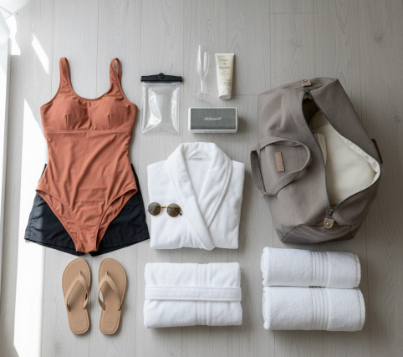
Thoughtful preparation enhances hot tub break experiences. Knowing what properties typically provide versus what guests should bring prevents inconvenience and maximises enjoyment.
What to Bring for the Tub
Certain items prove essential or highly beneficial for hot tub use regardless of property facilities.
Swimwear (Spare Sets Recommended)
Multiple swimwear sets enable fresh options for each session. Wet swimwear takes time to dry, particularly in humid bathroom conditions. Having alternatives available allows spontaneous tub use without planning around drying schedules.
Quick-dry synthetic materials outperform cotton for hot tub use. Repeated wet and dry cycles and chemical exposure degrade cotton fibres faster than performance fabrics designed for water activities.
Dark colours hide chemical-related fading better than lights. White and pastel swimwear may develop discolouration from bromine or chlorine exposure over time.
Flip Flops or Sliders for Decking Areas
Footwear for transitioning between accommodation and tub prevents slips on wet surfaces and keeps feet clean during transfers. Simple flip flops or slides work perfectly, drying quickly between uses.
Deck surfaces vary in grip characteristics. Timber decking becomes slippery when wet, while composite materials often incorporate textured surfaces for traction. Caution remains appropriate regardless of stated non-slip properties.
Winter visitors should consider lined slider options. Moving between heated interiors and cold outdoor air in minimal footwear can chill feet uncomfortably. Insulated slides maintain comfort during transfers.
Waterproof Phone Cases and Bluetooth Speakers
Modern hot tub sessions often incorporate music, photography, or communication despite proximity to water. Protecting devices enables safe integration without risking expensive equipment.
Waterproof phone cases maintain touchscreen functionality while providing complete water protection. Quality cases enable underwater photography and worry-free tub-side use. Cheap options may leak, making investment in reputable brands worthwhile.
Bluetooth speakers designed for wet environments enable quality audio without risking phone speakers to steam or splash damage. Many waterproof speakers float, preventing loss if dropped into the tub.
Comfort Items
Beyond tub-specific equipment, certain items enhance overall hot tub break comfort.
Dressing Gowns and Extra Towels (If Not Provided)
Robes transform post-soak transitions from rushed towelling to leisurely lounging. Quality robes retain warmth while absorbing residual moisture, enabling relaxed periods between tub and full dressing.
Many premium properties provide robes, but budget options may not. Checking amenity lists before packing prevents unnecessary luggage while ensuring availability.
Extra towels dedicated to hot tub use keep bathroom supplies fresh for showering. Properties typically provide standard towel allocations that may prove insufficient for multiple daily tub sessions.
Plastic Glassware for Safety
Glass near hot tubs creates safety hazards from breakage on hard deck surfaces and potential for fragments entering the tub. Plastic alternatives enable champagne and wine enjoyment without risk.
Quality plastic glassware now closely mimics real glass aesthetics. Dedicated outdoor wine glasses and champagne flutes provide sophisticated experiences without safety compromises.
Some properties prohibit glass on decking areas entirely, making plastic alternatives essential rather than optional. Checking rules before arrival prevents disappointing discoveries.
Skin Care for Post-Soak Hydration
Hot water and treatment chemicals can dry skin over multiple sessions. Moisturising after soaking and showering maintains skin comfort throughout stays.
Face-specific products protect more sensitive facial skin from chemical exposure effects. While body immersion levels rarely reach face height, steam and splash contact benefits from targeted care.
Lip balm prevents drying from repeated hot and cold exposure during winter breaks. The temperature contrast particularly affects exposed skin areas.
Future Trends in UK Hot Tub Tourism
The hot tub break market continues evolving, with emerging trends shaping future experiences and expectations.
Sustainability and Energy Efficiency
Environmental concerns increasingly influence accommodation choices, with hot tub properties responding through technology and practice changes.
The Shift Toward Air Source Heat Pumps and Solar
Traditional electric heating represents significant energy consumption, with large hot tubs requiring substantial power for temperature maintenance. Emerging alternatives reduce environmental impact while maintaining guest experience quality.
Air source heat pumps extract ambient heat from surrounding air, multiplying electrical input into significantly greater heat output. Properties increasingly install these systems, reducing energy costs and carbon footprints simultaneously.
Solar thermal panels supplement heating requirements during suitable conditions, with sophisticated systems integrating solar contribution with backup conventional heating. Guest experiences remain unchanged while environmental impact reduces substantially.
Smart Hot Tubs and App-Controlled Heating
Connected hot tub systems enable remote monitoring and control through smartphone applications. Property managers can verify temperatures and chemical levels without physical visits, while guests can preheat tubs before outdoor sessions.
Smart systems optimise energy use by learning usage patterns and reducing heating during predicted idle periods. Artificial intelligence integration increasingly enables predictive management minimising energy waste.
Guest-facing apps provide usage guidance, safety information, and direct communication channels with property support. Enhanced connectivity improves experiences while enabling more efficient property management.
Wellness Retreat Integration
Hot tub breaks increasingly form components of broader wellness experiences rather than standalone features.
Yoga, Meditation, and Cold Plunge Combinations
Properties now frequently combine hot tubs with complementary wellness facilities including yoga decks, meditation spaces, and increasingly, cold plunge pools.
The contrast therapy combination of hot water immersion followed by cold water plunge delivers significant physiological benefits. Circulation improvement, immune system stimulation, and endorphin release result from temperature alternation protocols.
Some properties offer structured wellness programmes incorporating professional instruction alongside facilities access. Yoga teachers, meditation guides, and wellness practitioners deliver retreat experiences previously requiring dedicated spa resorts.
Cold water swimming access near hot tub properties enables wild contrast therapy alternatives. Coastal and lake-adjacent properties particularly suit these approaches, with natural cold water sources complementing heated tub facilities.
Conclusion
Hot tub breaks in the UK offer remarkable variety, from budget glamping pods to ultra-luxury lodge estates, from Cornwall’s Atlantic coast to Scotland’s Highland wilderness. Understanding options, booking strategically, and preparing thoughtfully maximises value from whatever experience you choose.
The fundamental appeal remains constant across all variations. Warm water immersion combined with outdoor setting creates profound relaxation unavailable through other accommodation formats. Whether celebrating occasions, recovering from adventures, or simply escaping routine, hot tub breaks deliver genuine restoration that explains their sustained and growing popularity.
The UK landscape provides exceptional settings for these experiences. No international travel requirement means straightforward booking, flexible timing, and minimal planning overhead. Properties exist within easy reach of every major population centre, yet deliver genuine escape sensations.
Quality matters more than price point. Well-maintained budget properties outperform neglected premium options for both safety and enjoyment. Research, reviews, and reasonable expectations ensure positive experiences regardless of expenditure levels.
Final Checklist for Your Next Booking
Before confirming your hot tub break reservation, verify property location specifics and genuine privacy levels, hot tub type and features including jets and temperature control, included amenities versus potential additional charges, cancellation policies and deposit requirements, pet and child policies if applicable, check-in and check-out times, and property owner or manager contact details.
Confirm your packing list includes swimwear with spare options, deck footwear, waterproof phone protection, robes and extra towels if not provided, plastic drinkware, and any celebration items for special occasions.
With thoughtful selection and preparation, your UK hot tub break will deliver the restoration and enjoyment that makes this holiday format so deservedly popular.
Frequently Asked Questions
What is the best time of year for a hot tub break in the UK?
Winter offers the most dramatic contrast between cold air and warm water, creating intensely satisfying soaking experiences. However, spring and autumn provide excellent value with milder weather and lower prices. Summer suits families tied to school holidays but commands premium pricing.
Are hot tubs in holiday rentals sanitary?
Reputable UK operators must follow HSG282 guidelines requiring water testing twice daily and complete water changes between guests. Check reviews mentioning cleanliness and ask operators about their maintenance procedures if concerned. Clear, odourless water on arrival indicates good management.
Can children use hot tubs on holiday?
Children under four should avoid hot tubs due to temperature regulation difficulties. Older children can use tubs safely with constant supervision, reduced temperatures where possible, and session limits of fifteen to twenty minutes. Always follow property-specific guidance provided.
Do I need to bring my own towels for a hot tub break?
Luxury properties typically provide robes and towels, but budget and mid-range accommodation may not. Check amenity lists before packing. Bringing dedicated hot tub towels regardless ensures sufficient supplies for multiple daily sessions without depleting bathroom stocks.
What is the difference between a wood-fired and electric hot tub?
Electric tubs maintain constant temperature and feature massage jets. Wood-fired tubs require manually building a fire for two to four hours of heating, offering quieter soaking without jets. Wood-fired suits guests seeking rustic, eco-friendly experiences with involvement in the heating process.
Can I take my dog on a hot tub break?
Many properties welcome dogs, but pets must never enter the hot tub itself. Choose accommodation with enclosed gardens enabling safe off-lead exercise. Check property rules regarding deck area access and always supervise dogs around hot water.
How long can you safely stay in a hot tub?
Limit sessions to fifteen to thirty minutes maximum, taking breaks for cooling and hydration. Exit immediately if experiencing dizziness, rapid heartbeat, or nausea. Individual tolerance varies with health conditions and hydration levels. Evening soaks should finish an hour before bedtime for optimal sleep quality.