

Table of Contents - The Complete Guide to Hot Tubs Stream: Models, Hydrotherapy Features, and Buying Advice for UK Homeowners
- Introduction: Understanding the World of Hot Tubs Stream Technology
- Deep Dive: The Wellis CityLine Stream Hot Tub
- The Physics of Water Streams: Hydrotherapy and Jet Technology
- Stream Hot Tubs vs Swim Spas: Navigating the Difference
- Energy Efficiency and Running Costs in the UK
- Installation and Site Preparation
- Water Care and Maintenance for Stream Tubs
- Aesthetic Integration: Landscaping with Water Streams
- Conclusion: Is a Stream Hot Tub Right for You?
- Frequently Asked Questions
- What is the difference between a Stream hot tub and a standard hot tub?
- How much does it cost to run a Stream hot tub in the UK?
- Can I plug a Stream hot tub into a normal socket?
- Do Stream hot tubs come with a warranty?
- How often should I change the water in my hot tub?
- What is a laminar stream in a hot tub?
- Is a swim spa better than a hot tub for hydrotherapy?
- Why are my hot tub jets pulsing or weak?
This blog post may contain affiliate links. As an Amazon Associate I earn from qualifying purchases.
Hot Tubs Stream: Complete UK Guide to Models & Features
Introduction: Understanding the World of Hot Tubs Stream Technology
Hot tubs stream technology represents one of the most significant advances in home hydrotherapy, combining powerful water delivery systems with ergonomic design to create therapeutic experiences that rival professional spa treatments. Whether you’re researching specific Stream model hot tubs or exploring the broader world of water stream features like waterfalls and laminar jets, understanding how these systems work helps you make a confident buying decision.
The UK market has embraced hot tubs stream functionality with particular enthusiasm. Our climate demands reliable heating, robust insulation, and powerful jet systems that perform consistently through damp winters and mild summers alike. British gardens, often compact compared to their American counterparts, benefit from thoughtfully designed stream models that maximise hydrotherapy power without overwhelming limited outdoor spaces.
This comprehensive guide covers everything you need to know about hot tubs stream options available to UK buyers. We’ll examine specific model specifications, explore the physics behind water stream technology, compare stream hot tubs to swim spas, and provide practical installation advice tailored to British homes. By the end, you’ll understand exactly what stream features matter most for your needs and budget.
Deep Dive: The Wellis CityLine Stream Hot Tub
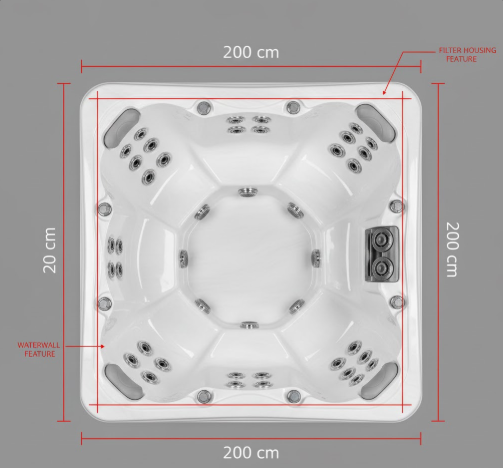
The CityLine Stream has become something of a benchmark in the UK hot tub market, offering a compelling balance of features, build quality, and value. This model demonstrates what modern hot tubs stream technology can achieve within a mid-range budget, making it worthy of detailed examination.
Technical Specifications and Dimensions
The Stream’s 200 x 200 x 90 cm footprint fits comfortably in most UK gardens while providing genuine six-person capacity. This square configuration works particularly well on standard patio slabs or purpose-built bases, avoiding the awkward overhang issues that larger rectangular models sometimes create.
Water capacity sits at approximately 1,100 litres when filled to the recommended level, translating to a filled weight of around 1,400 kg including occupants. This figure matters significantly if you’re considering decking installation. Most standard timber decking requires reinforcement to safely support this load, while composite decking systems often have clearer load ratings in their specifications.
The shell construction uses polyurethane-reinforced acrylic rather than traditional fibreglass. This manufacturing approach creates a more consistent surface finish with improved resistance to the micro-cracking that can affect cheaper alternatives over time. The reinforcement layer also contributes to structural rigidity, reducing flex when the tub is filled and improving long-term durability.
Dry weight of approximately 320 kg makes delivery and positioning manageable for experienced installation teams, though garden access remains a crucial consideration we’ll address in the installation section.
Seating Layout and Ergonomics
The Stream’s signature feature is its double lounger configuration, positioning two full-length reclined seats diagonally opposite each other. This arrangement allows couples to simultaneously enjoy complete body massage without the awkward jostling common in tubs where loungers compete for the same space.
Each lounger incorporates jet streams specifically positioned to target the trapezius muscles, those chronically tight areas between your neck and shoulders where stress accumulates. The jet angles direct water pressure upward into these muscle groups rather than simply pushing against your back, creating genuine therapeutic benefit rather than mere sensation.
The remaining seats provide upright positions with varying jet configurations. Corner seats typically offer the most intense shoulder massage, while side seats balance back massage with leg and foot streams. Understanding this variation helps you choose your preferred position during each soak rather than discovering through trial and error.
Regarding capacity claims, the “six-person” rating reflects maximum occupancy rather than optimal comfort. Four adults enjoy spacious relaxation with room to stretch, while six becomes sociable but cosy. For regular family use or entertaining, this honest assessment helps set realistic expectations.
The Engine Room: Pumps and Heating
The 3HP hydro-massage pump delivers the powerful water streams that define the Stream experience. This pump rating refers to brake horsepower rather than the sometimes-inflated figures quoted by less transparent manufacturers. In practical terms, this translates to forceful jet pressure that satisfies users seeking genuine deep-tissue massage rather than gentle bubbling.
Supporting the main pump, a dedicated W-EC circulation pump handles continuous filtration and heating distribution. Running at just 0.25 kW, this small but efficient motor keeps water moving through filters and heaters without the energy demands of the main massage pump. This separation allows the tub to maintain temperature and cleanliness between uses without spinning the electricity meter unnecessarily.
The standard 3kW heating element represents a sensible specification for UK installations. From cold, expect approximately 24 hours to reach operating temperature in winter conditions. However, because well-insulated tubs maintain temperature effectively, you’ll rarely experience cold starts after the initial fill. The heater primarily compensates for gradual heat loss rather than repeatedly warming cold water.
Smart Features and Control Systems
Modern Stream models incorporate gecko control systems, an industry-standard platform known for reliability and intuitive operation. The topside panel provides straightforward access to temperature adjustment, jet activation, and lighting control without requiring a smartphone for basic functions.
That said, app connectivity through WiFi modules allows remote temperature monitoring and adjustment. Turning up the heat during your commute home means stepping into perfectly warmed water rather than waiting an hour for the tub to reach your preferred temperature. This convenience feature genuinely enhances the ownership experience for regular users.
The integrated MyMusic 2.1 sound system includes Bluetooth connectivity and strategically positioned speakers that remain clear above water noise. Audio quality exceeds expectations for a built-in system, though dedicated outdoor speaker setups will always outperform integrated solutions if music quality matters significantly to you.
The Physics of Water Streams: Hydrotherapy and Jet Technology
Understanding how water streams actually work helps you evaluate different hot tubs and appreciate what separates effective hydrotherapy from marketing fluff. The science isn’t complicated, but it explains why jet configuration matters more than simple jet counts.
Understanding Laminar Streams vs Turbulent Flow
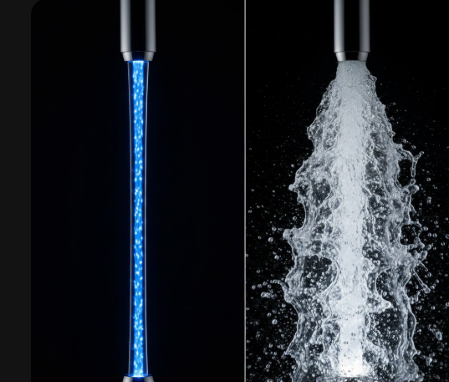
Water behaves differently depending on how it moves. Laminar flow describes smooth, parallel movement where water molecules travel in orderly layers. When you see those beautiful clear arcs of water in high-end hot tub demonstrations, that’s laminar flow. The stream remains cohesive, almost glass-like, capable of carrying LED light along its length for stunning visual effects.
Turbulent flow, by contrast, involves chaotic molecular movement with swirling eddies and mixing. This turbulence creates the white, frothy appearance of massage jets and delivers the percussive sensation that loosens tight muscles. Turbulent streams sacrifice visual elegance for therapeutic power.
Venturi valves represent the key technology enabling powerful turbulent streams. These simple devices use water pressure to draw air into the stream, dramatically increasing perceived massage intensity without requiring larger pumps. Adjustable venturi controls allow users to fine-tune the air-water ratio, softening jets for sensitive areas or maximising power for stubborn muscle tension.
Types of Water Stream Features
Modern hot tubs incorporate various stream types, each serving distinct purposes. Understanding these categories helps you identify which features genuinely enhance your experience versus those that simply inflate specification sheets.
Waterfall features use blade-style streams that cascade into the tub, typically positioned to flow across neck and shoulder areas. The gentle, consistent pressure provides a different sensation than pulsing jets, many users finding this particularly relaxing for tension headaches and neck stiffness. The visual and auditory elements contribute to overall ambience, creating a multi-sensory relaxation experience.
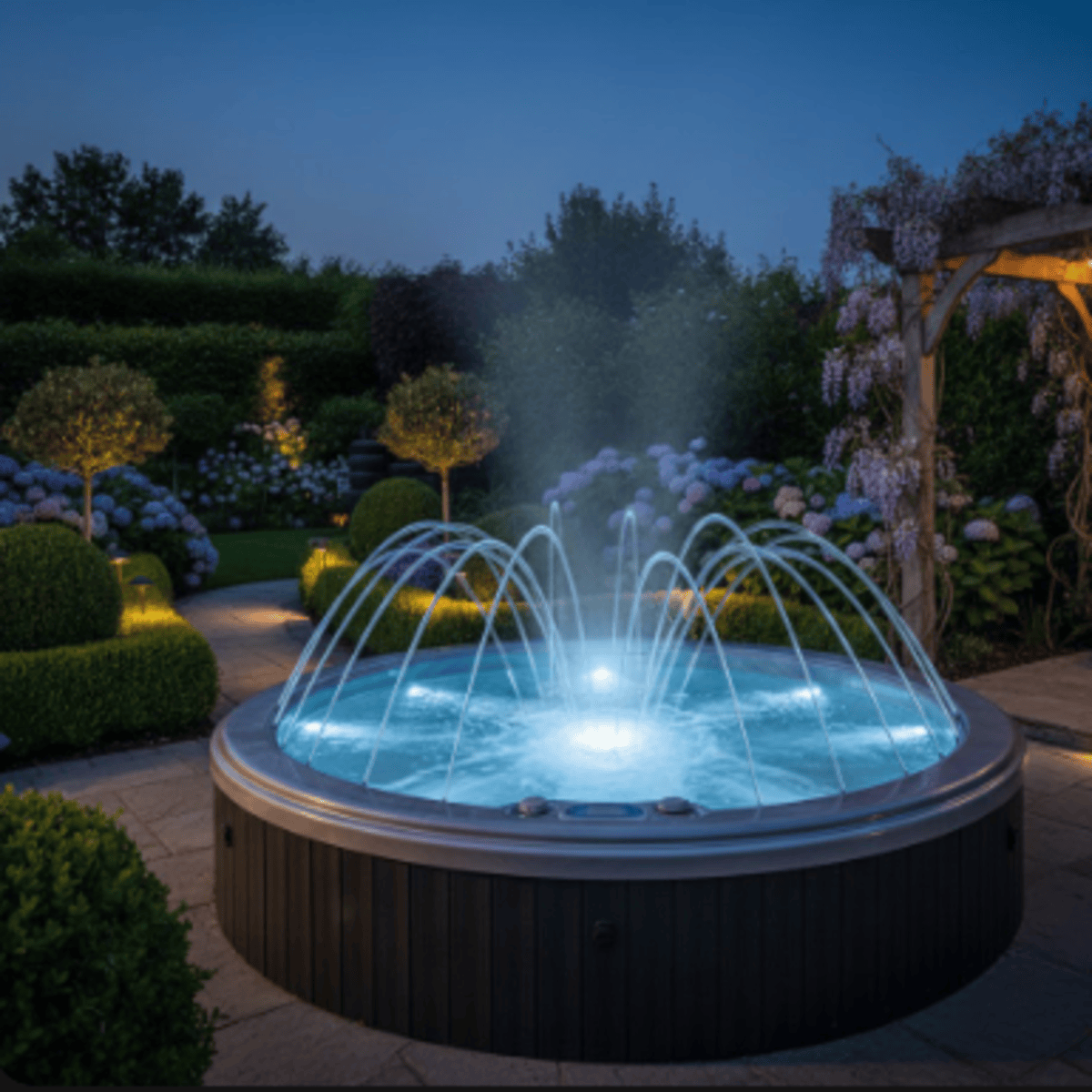
Fountain streams arc upward before falling back into the water. While primarily aesthetic, these features often incorporate RGB lighting that transforms the fountain into a chromotherapy element. The psychological benefits of coloured light therapy, while debated in clinical literature, certainly enhance the perceived luxury of evening soaks.
Volcano jets direct vertical streams upward from the footwell, targeting leg and foot areas often neglected by seat-based jets. For users who spend hours standing or walking, this focused treatment addresses muscle groups that conventional layouts miss.
Diverter valves give you control over where pump power concentrates. Rather than diluting pressure across all jets simultaneously, diverters allow you to direct full flow to specific seats or jet groups. This functionality significantly enhances therapeutic effectiveness for targeted treatment.
Therapeutic Benefits of Targeted Water Streams
The health benefits of hot water immersion combined with jet massage rest on established physiological principles rather than wishful thinking. Understanding these mechanisms helps you maximise therapeutic value from your hot tub investment.
Hydrostatic pressure, the physical force of water weight against your body, increases when submerged. This gentle compression encourages venous blood return toward the heart, improving circulation particularly in extremities. For users with mild circulatory concerns or those who experience cold feet and hands, regular hot tub use can provide measurable improvement.
Buoyancy reduces apparent body weight by approximately 90% when submerged to shoulder level. This unloading relieves joint stress, explaining why hydrotherapy features prominently in arthritis management protocols. The combination of warmth, buoyancy, and gentle massage creates conditions where stiff joints move more freely with less discomfort.
Research published in the International Journal of Aquatic Research and Education confirms that warm water immersion reduces cortisol levels, the primary stress hormone. The combination of heat, buoyancy, and massage creates measurable physiological relaxation beyond simple subjective reports of feeling better. Regular hot tub users often describe improved sleep quality, a benefit consistent with this hormonal modulation.
Stream Hot Tubs vs Swim Spas: Navigating the Difference
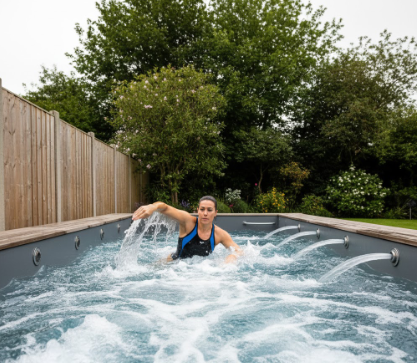
The term “stream” sometimes creates confusion between relaxation-focused hot tubs and exercise-oriented swim spas. These products serve fundamentally different purposes, and understanding the distinction prevents expensive buying mistakes.
The Concept of Endless Swimming
Swim spas generate powerful horizontal water streams that create resistance against which you swim. Unlike the massage jets in conventional hot tubs, these counter-current systems produce continuous high-volume flow rather than pulsed pressure. You swim against the stream, maintaining position while the water flows past, effectively creating an endless pool experience in a fraction of the space.
The pump technology differs substantially from hot tub systems. Swim stream propulsion typically requires dedicated motors producing massive water volumes at lower pressures than massage jets. Some systems use turbine technology rather than impeller pumps, creating smoother, more natural-feeling currents that serious swimmers prefer.
River jet systems, an alternative approach, position multiple powerful jets to create current patterns that feel more like open water. These systems often allow adjustable flow rates, accommodating everything from gentle paddling to challenging sprint resistance.
Space and Cost Comparison
The practical differences between stream hot tubs and swim spas extend well beyond water dynamics. Space requirements represent the most obvious distinction. A standard Stream hot tub occupies approximately 4 square metres, fitting comfortably in modest gardens. Swim spas typically require 10 square metres or more, immediately excluding many urban UK properties.
Installation complexity increases proportionally. While a hot tub base can often utilise existing paving with minor preparation, swim spas almost universally require purpose-built reinforced concrete foundations. The combined weight of the unit, water, and users can exceed 10,000 kg for larger swim spas, far beyond what any standard patio can support.
Purchase prices reflect these differences. Quality stream hot tubs range from £6,000 to £12,000, while capable swim spas start around £15,000 and extend well beyond £30,000 for premium models. Running costs scale accordingly, with swim spa energy consumption typically double that of hot tubs or more.
Who Needs a Swim Stream?
Your primary purpose determines which product category suits your needs. If relaxation, massage therapy, and social soaking represent your goals, a dedicated hot tub delivers superior results. The seating ergonomics, jet positioning, and energy efficiency of purpose-built relaxation tubs outperform the compromise solutions found in swim spa hot tub ends.
Fitness enthusiasts genuinely intending regular swimming exercise benefit from true swim spas despite the higher costs and space requirements. Attempting to swim in a hot tub, regardless of marketing claims about stream features, produces unsatisfying results for serious users.
Hybrid models incorporating separate zones, a swim stream area at one end and a conventional hot tub configuration at the other, attempt to serve both purposes. These dual-zone units work well when space and budget permit, though they inevitably involve compromises compared to dedicated single-purpose products.
For most UK buyers exploring One Hot Tub options, traditional stream hot tubs provide the best balance of therapeutic benefit, space efficiency, and value.
Energy Efficiency and Running Costs in the UK
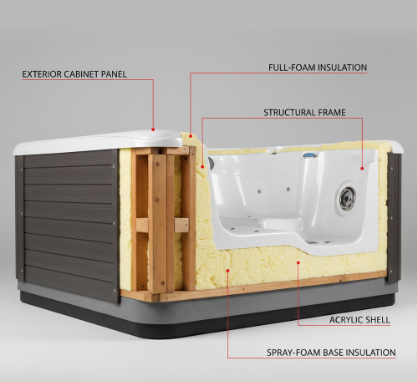
Running costs legitimately concern UK hot tub buyers, particularly given recent energy price volatility. Understanding what drives consumption helps you select efficient models and operate them economically.
Insulation Technologies for the British Climate
The UK climate, characterised by damp conditions and sustained cool periods rather than extreme cold, creates specific insulation challenges. Moisture penetration degrades some insulation materials over time, while the constant heating demand of our long winters accumulates significant energy costs.
Quality stream models typically feature Scandinavian-standard insulation, a marketing term that nonetheless indicates serious attention to thermal efficiency. These systems usually combine spray-foam base insulation with perimeter foam panels, creating a continuous thermal envelope around shell and plumbing.
Full-foam insulation fills the entire cabinet cavity, maximising heat retention but potentially complicating repairs if plumbing access becomes necessary. Polyfoam alternatives insulate critical areas while leaving some cabinet space accessible. Both approaches outperform the minimal insulation found in budget models, where only the base receives treatment.
The thermal cover represents your single most important efficiency component. Heat rises, making the water surface the primary energy loss area. Covers measuring 12 to 15 cm in thickness with tapered designs that shed rainwater dramatically outperform the thin, flat covers bundled with budget tubs. Investing in a quality cover pays for itself within a year or two through reduced heating costs.
Calculating Monthly Expenditure
Real-world running costs depend on numerous variables, making precise predictions impossible. However, reasonable estimates help budget planning and product comparisons.
A well-insulated stream hot tub with a quality cover typically consumes between 3 and 5 kWh daily during mild weather, rising to 6 to 10 kWh in winter. At current UK electricity rates averaging 28p per kWh, this translates to roughly £30 to £60 monthly during summer and £50 to £90 during winter.
Operating modes significantly influence consumption. “Ready Mode” maintains your set temperature continuously, ensuring the tub is always available. “Standby Mode” allows temperature to drop, requiring substantial heating before each use. Counterintuitively, ready mode often proves more economical for regular users because reheating cold water consumes more energy than maintaining temperature.
Thermal floating blankets, placed on the water surface beneath the main cover, add an additional insulation layer that reduces heat loss by 20% or more. At £50 to £100, these accessories offer excellent return on investment for cost-conscious owners.
Heat Pumps: The Modern Upgrade
Air-source heat pumps represent the most significant efficiency upgrade available for hot tub owners. These devices extract ambient warmth from outdoor air, concentrating it to heat water using a fraction of the electricity direct heating requires.
In favourable conditions, heat pumps deliver 3 to 4 kWh of heat for every 1 kWh of electricity consumed. This 300 to 400% efficiency compared to direct electric heating can reduce running costs by 60 to 75% over a year, though performance diminishes in very cold weather when less ambient heat is available for extraction.
Compatibility varies between hot tub models. Many stream hot tubs include external connection points specifically designed for heat pump integration, while others require modification. Checking heat pump compatibility before purchase prevents disappointment and additional costs later.
If you’re planning hot tub holidays or extended stays featuring hot tub access, understanding these efficiency factors helps you appreciate the attention quality venues pay to sustainable operation.
Installation and Site Preparation
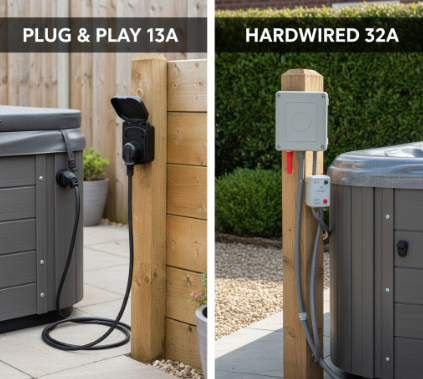
Proper installation ensures safe, trouble-free operation for years. Cutting corners during setup invariably creates problems that cost more to fix than doing things correctly from the start.
Electrical Requirements: 13A Plug and Play vs 32A Hardwired
The electrical question represents the first major decision most buyers face. Understanding the practical differences between supply options helps you choose appropriately for your usage patterns.
Plug and play models connect to standard 13A outdoor sockets, making installation straightforward and eliminating electrician costs. However, the 13A limitation forces design compromises. These units typically cannot run heaters and massage jets simultaneously, meaning water temperature drops during use and recovery takes longer afterward. For occasional users in mild conditions, this limitation proves acceptable. For regular users or those wanting winter reliability, it becomes frustrating.
Dedicated 32A supplies, professionally installed by qualified electricians, provide adequate power for simultaneous heating and full jet operation. Your soak experience remains consistent regardless of outside temperature, and the tub recovers quickly after use. The installation cost, typically £300 to £500 for straightforward runs, pays dividends throughout ownership.
Cable requirements for 32A installations specify armoured SWA cable, which resists physical damage and moisture ingress. The cable runs from your consumer unit to a weatherproof isolator positioned near the hot tub, typically mounted on a wall or post within arm’s reach. RCD protection, either at the consumer unit or through a dedicated RCD connection unit, provides essential safety isolation.
Always use electricians registered with competent person schemes like NICEIC or NAPIT. They’ll provide compliance certificates necessary if you later sell your property, and their work meets the building regulations governing outdoor electrical installations.
Base and Foundation Guidelines
Your hot tub needs a perfectly flat, level, and structurally adequate base. This requirement isn’t negotiable, and improvising creates problems that only worsen over time.
Level tolerance should be within 5mm across the entire footprint. Even slight slopes cause water to settle unevenly, putting asymmetric stress on shell and frame. Water level discrepancies also affect jet stream performance, as pump intakes and returns assume level positioning.
Reinforced concrete pads provide the gold standard for permanent installations. A 100mm thick slab over compacted hardcore, reinforced with steel mesh, supports any domestic hot tub with substantial safety margin. Pour the slab slightly larger than the tub footprint to provide access around the cabinet edges and accommodate the overhanging cover.
Existing patios often work if properly assessed. Modern block paving over compacted sub-base generally copes well, though checking for voids or settling is wise. Victorian flagstones laid on sand beds require more careful evaluation, as point loading under support legs can cause cracking or subsidence.
Composite decking manufacturers specify load ratings for their products. Many premium systems support hot tub weights without additional reinforcement, though you’ll need to verify this for your specific decking and substructure. Timber decking almost always requires professional engineering assessment and reinforcement.
Access planning deserves attention before delivery day. A filled Stream hot tub is immovable by hand, meaning final positioning happens while empty. Measure all gates, pathways, and passages your delivery team must navigate. Minimum passage width of 80cm allows most tubs through, though challenging routes may require temporary fence panel removal or crane lift into rear gardens.
Water Care and Maintenance for Stream Tubs
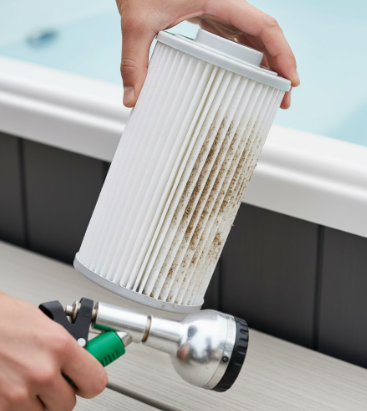
Maintaining clean, safe water protects both your health and your investment. Stream tubs, with their internal plumbing networks and multiple jets, require consistent attention to prevent problems that compromise both hygiene and performance.
Filtration Systems
Filters remove debris, body oils, and contaminants that would otherwise accumulate in your water and plumbing. Understanding your filtration system helps maintain optimal water quality with minimal effort.
Standard paper filters, more accurately called microfibre polyester pleated filters, provide excellent filtration when properly maintained. Weekly removal and rinse cleaning with a garden hose removes accumulated debris. Monthly deep cleaning with dedicated filter cleaner solution dissolves oils and body products that water alone won’t remove. Replace filters annually regardless of apparent condition, as microscopic pore degradation reduces effectiveness before visual signs appear.
Ceramic or mineral filters feature in some systems as supplementary elements rather than primary filtration. These typically release trace minerals intended to soften water and improve feel. Their maintenance requirements are minimal, usually just annual replacement.
Circulation systems using dedicated low-energy pumps filter continuously, keeping water consistently clean. Systems relying on the main massage pump for filtration only filter during programmed cycles or active use, potentially allowing contaminant accumulation between sessions. The W-EC circulation system in Stream models provides the superior continuous filtration approach.
Ozone generators inject activated oxygen into water, oxidising organic contaminants and reducing sanitiser demand. UV-C light systems achieve similar results through different chemistry, disrupting microorganism DNA to prevent reproduction. Both technologies supplement rather than replace chemical sanitisation, but they reduce the chemical load required for safe water and minimise the “chlorine smell” some users find unpleasant.
Chemical Balance Basics
Proper water chemistry protects users from pathogens while protecting equipment from corrosion and scale. The fundamentals aren’t complicated once understood, though they require consistent attention.
Chlorine and bromine represent the primary sanitiser options, each with distinct characteristics. Chlorine acts quickly and provides residual protection at lower concentrations, making it economical and effective. However, chlorine evaporates more rapidly at hot tub temperatures and can cause eye and skin irritation at higher concentrations.
Bromine remains stable at elevated temperatures and causes less irritation for many users. It costs more than chlorine and acts somewhat slower, but many hot tub owners prefer its gentler characteristics. Neither choice is objectively superior; personal preference and skin sensitivity typically guide the decision.
Maintaining proper pH between 7.2 and 7.6 ensures sanitiser effectiveness and user comfort. Low pH causes irritation and corrodes metal components. High pH reduces sanitiser effectiveness and promotes scale formation in plumbing and jet internals.
Alkalinity stabilises pH, preventing rapid swings that make maintenance frustrating. Target the 80 to 120 ppm range using alkalinity increaser or decreaser products as needed.
Regular testing, ideally before each use initially, then a few times weekly once you understand your water’s behaviour, catches imbalances before they create problems. Simple test strips provide adequate accuracy for routine maintenance, while more sophisticated test kits help troubleshoot specific issues.
Troubleshooting Common Stream Issues
Even well-maintained hot tubs occasionally develop problems. Recognising common issues and understanding their causes helps you resolve many situations without professional assistance.
Low flow error codes, typically displayed as FLO, FL1, or similar, indicate the system isn’t detecting adequate water movement. Dirty filters blocking flow represent the most common cause. Remove and clean filters as your first response. If errors persist, check the water level and ensure skimmer gates move freely. Airlocks in pump chambers, where trapped air prevents proper priming, can trigger these errors after refilling; opening the pump union slightly to bleed air while the circulation pump runs usually resolves the issue.
Weak jet pressure frustrates users expecting powerful massage streams. Beyond filter maintenance, check that diverter valves are positioned to direct flow to your desired jets rather than elsewhere in the system. Water level dropping below skimmer intake allows air ingestion that reduces pump efficiency. Some reduction in pressure as a tub ages can indicate worn pump impellers, though this typically takes many years to become significant.
Surging or pulsing jets suggest intermittent air ingestion, usually from low water levels or small leaks allowing air into the suction side of the circulation system. Check your water level first, then examine plumbing unions for signs of moisture indicating minor leaks.
Aesthetic Integration: Landscaping with Water Streams
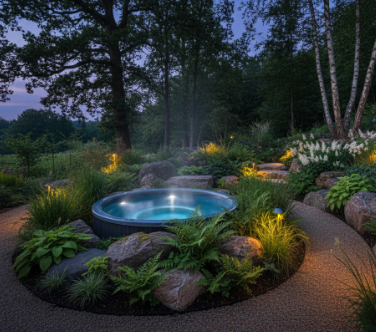
A hot tub represents a significant visual element in your garden. Thoughtful integration enhances both the bathing experience and overall outdoor aesthetics, while poor placement creates an eyesore that diminishes property appeal.
Mimicking Natural Streams
Positioning your hot tub to complement natural water features, if your garden includes them, creates harmonious visual flow. The stream features within the tub echo the movement of garden streams or ponds, establishing thematic consistency that landscape designers prize.
Even without natural water, you can create the impression of connection to water elements through careful landscaping. Rockery arrangements with drought-tolerant planting suggest the banks of streams. Gravel or pebble mulching mimics dried stream beds. Water-worn stones positioned around the tub base complete the impression of a naturally occurring pool.
Native British planting, including ferns, grasses, and water-marginal species placed in containers near the tub, softens hard edges while requiring minimal maintenance. Avoid positioning plants where falling leaves will constantly contaminate the water, but use greenery to frame views and create privacy naturally.
Lighting the steam rising from your hot tub creates magical evening atmosphere. External LED spotlights positioned to catch the vapour, combined with the tub’s internal RGB lighting reflected off the steam, produce effects that genuinely impress guests and enhance personal relaxation sessions.
Privacy and Shelter
The British climate demands weather protection if you want year-round hot tub enjoyment. Rain doesn’t prevent comfortable bathing, but wind chill dramatically reduces the pleasant experience of emerging from warm water into cold air.
Gazebos provide complete coverage, protecting both bathers and tub from precipitation while dramatically reducing heat loss. Fully enclosed gazebos with walls offer maximum wind protection, though some users find them claustrophobic. Open-sided structures with optional curtains or screens balance protection with airiness.
Pergolas with climbing plants or shade sails offer partial coverage at lower cost, providing summer sun protection and some wind reduction without the enclosed feel of full gazebos. These structures work well in sheltered gardens where wind exposure is already limited.
Privacy screening matters in UK gardens where close neighbours are common. Slatted panels allow air movement while blocking direct sightlines. Planted screens using fast-growing bamboo or evergreen hedging provide natural barriers that improve with age. Frosted glass or polycarbonate panels offer immediate privacy with contemporary aesthetics.
Those planning hot tub breaks UK style experiences in their own gardens should prioritise these shelter and privacy elements to create genuine destination-quality environments.
Conclusion: Is a Stream Hot Tub Right for You?
Stream hot tubs represent a sweet spot in the UK market, offering genuine therapeutic benefit, reliable performance, and practical features without the premium pricing of flagship models. The combination of ergonomic seating, powerful water streams, and energy-efficient design addresses the needs of most British buyers seeking quality home hydrotherapy.
The choice between plug and play convenience and 32A performance depends on your usage patterns. Occasional warm-weather bathers may find simpler electrical requirements acceptable. Regular users, particularly those wanting winter reliability and consistent jet power throughout each session, will appreciate the investment in proper electrical supply.
Water stream technology, whether targeted massage jets, soothing waterfalls, or aesthetic fountains, transforms bathing from simple soaking into active therapy. Understanding how these features work helps you prioritise the elements that matter for your specific needs rather than being swayed by impressive-sounding but irrelevant specifications.
Your next step should involve experiencing stream hot tubs firsthand. Showroom visits allow you to test seating positions, feel jet pressure, and evaluate control interfaces in ways that specifications alone cannot convey. The investment justifies taking time to choose correctly, and reputable dealers welcome informed customers who understand what they’re seeking.
Frequently Asked Questions
What is the difference between a Stream hot tub and a standard hot tub?
Stream typically refers to either a specific model range known for ergonomic lounger seating and targeted hydrotherapy jets, or the presence of laminar water features and fountains. Standard hot tubs may lack these specific design elements or premium water features, though both provide heated soaking and jet massage.
How much does it cost to run a Stream hot tub in the UK?
A well-insulated Stream hot tub typically costs between £1.50 and £2.50 daily to run in the UK. Monthly costs range from £45 to £90 depending on usage frequency, ambient temperature, electricity tariff, and whether you’ve installed an air-source heat pump for additional efficiency.
Can I plug a Stream hot tub into a normal socket?
Some Stream models offer plug and play functionality using standard 13A outdoor sockets. However, these models cannot run heaters and jets simultaneously. For full performance with simultaneous heating and jet operation, a dedicated 32A electrical supply installed by a qualified electrician is required.
Do Stream hot tubs come with a warranty?
Reputable manufacturers typically offer comprehensive warranty coverage including 10 years on shell structure, 7 years on the shell surface, and 3 years on components like pumps and heaters. Specific terms vary between retailers, so verify coverage details before purchase.
How often should I change the water in my hot tub?
For typical usage of three to four times weekly, drain and refill your hot tub every three to four months. Clean filters weekly with a hose rinse and monthly with dedicated filter cleaner to maintain powerful jet streams and hygienic water conditions.
What is a laminar stream in a hot tub?
A laminar stream is a smooth, glass-like arc of water that remains cohesive rather than breaking into droplets. These streams carry LED light along their length, creating stunning visual effects. They serve primarily aesthetic purposes rather than therapeutic massage functions.
Is a swim spa better than a hot tub for hydrotherapy?
For fitness swimming against resistance currents, swim spas are specifically designed for the purpose. For seated massage, muscle relaxation, and social soaking, dedicated hot tubs offer superior ergonomic seating and jet positioning. Your primary intended use should guide the choice.
Why are my hot tub jets pulsing or weak?
Weak or pulsing streams usually result from dirty filters restricting water flow, low water levels allowing air ingestion, or airlocks in the pump system. Check and clean filters first, verify water level reaches recommended marks, and bleed any trapped air from pump chambers.