
Table of Contents - Transform Your Backyard with the Ultimate Garden Hot Tub Guide
- What Is a Garden Hot Tub and Why Is It a Backyard Essential?
- Top 10 Garden Hot Tubs (Editor’s Picks for 2026)
- Why We Ranked These Models as the Best in Class
- Complete Buying Guide: Factors to Consider Before You Buy
- Comparative Insights: Matching the Tub to Your Lifestyle and Budget
- Site Preparation, Installation, and Ongoing Maintenance
- Addressing Common User Concerns Regarding Garden Hot Tubs
- Final Thoughts on Upgrading Your Home with a Garden Hot Tub
- Frequently Asked Questions About Garden Hot Tubs
- How much does it cost to run a garden hot tub per month?
- Do I need a building permit to install a hot tub in my backyard?
- Can I place a hot tub directly on grass or dirt?
- How long does a typical garden hot tub last?
- What is the difference between a jacuzzi and a hot tub?
- How often should I change the water in my garden spa?
This blog post may contain affiliate links. As an Amazon Associate I earn from qualifying purchases.
There’s something magical about stepping into warm, bubbling water under an open sky. A garden hot tub transforms an ordinary backyard into a personal wellness retreat, offering relaxation, connection, and therapeutic benefits right outside your door. Whether you’re unwinding after a long workday, hosting friends on a Saturday evening, or seeking relief from muscle tension, a well-chosen outdoor spa becomes the centerpiece of your home’s outdoor living space.
This comprehensive guide walks you through everything you need to know about selecting, installing, and maintaining the perfect garden hot tub. From understanding different types and materials to navigating electrical requirements and ongoing care, you’ll find practical insights drawn from real ownership experiences and industry expertise. By the time you finish reading, you’ll have the confidence to make an informed investment that enhances your lifestyle for years to come.
What Is a Garden Hot Tub and Why Is It a Backyard Essential?

A garden hot tub is a self-contained heated water vessel designed specifically for outdoor installation, combining therapeutic jets with comfortable seating to create a relaxing hydrotherapy experience. Unlike indoor spas or public facilities, these units integrate seamlessly into residential landscapes, becoming both functional wellness tools and attractive design features. Modern garden hot tubs range from portable inflatable models to permanent installations with advanced features like LED lighting, Bluetooth speakers, and smartphone-controlled temperature systems.
The appeal extends far beyond simple relaxation. Homeowners across the United States are discovering that garden hot tubs serve as gathering spots for family conversations, romantic evening retreats, and even solo meditation spaces. They bridge the gap between indoor comfort and outdoor living, encouraging people to spend more time in their yards regardless of weather conditions. A quality spa becomes an extension of your home’s living area, usable from early spring through late autumn and, with proper winterization, even year-round in many climates.
Benefits of Integrating a Spa into Your Landscape
Adding a hot tub to your garden creates immediate and lasting advantages that touch multiple aspects of daily life. Beyond the obvious pleasure of soaking in warm water, outdoor spas transform how families interact and how homeowners perceive their properties.
From a practical standpoint, a thoughtfully positioned garden hot tub encourages outdoor time that might otherwise be spent indoors watching screens. Families report using their spas for device-free conversations, creating natural opportunities for connection that feel increasingly rare. Couples often describe their evening soak as the most meaningful time they spend together each day.
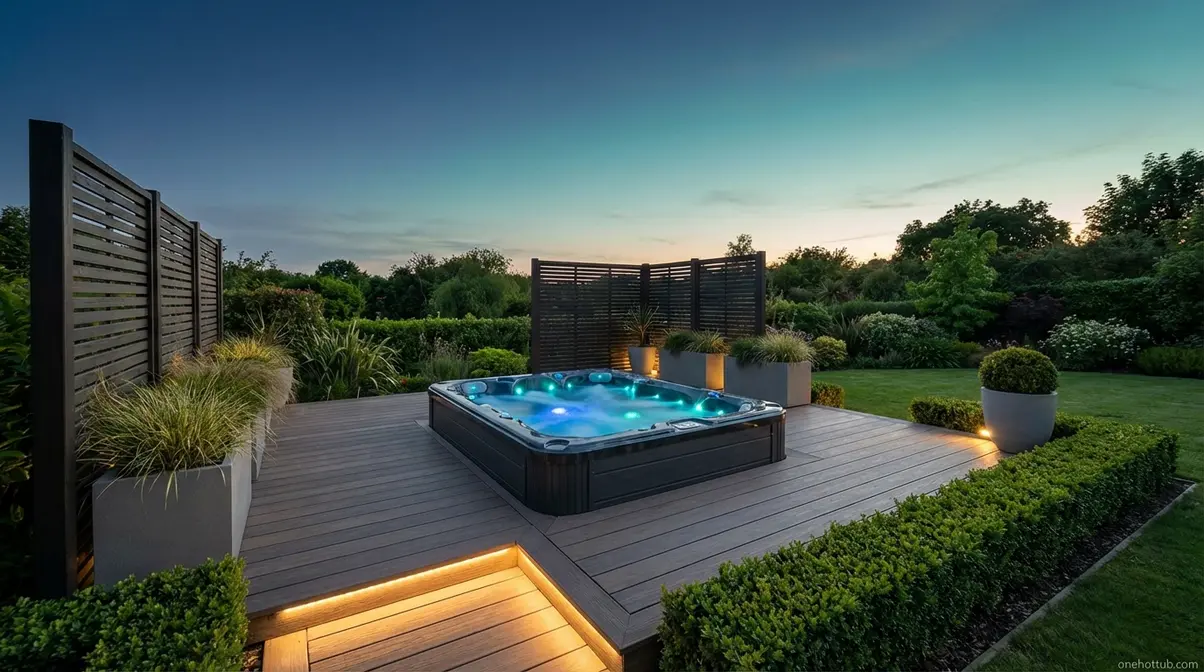
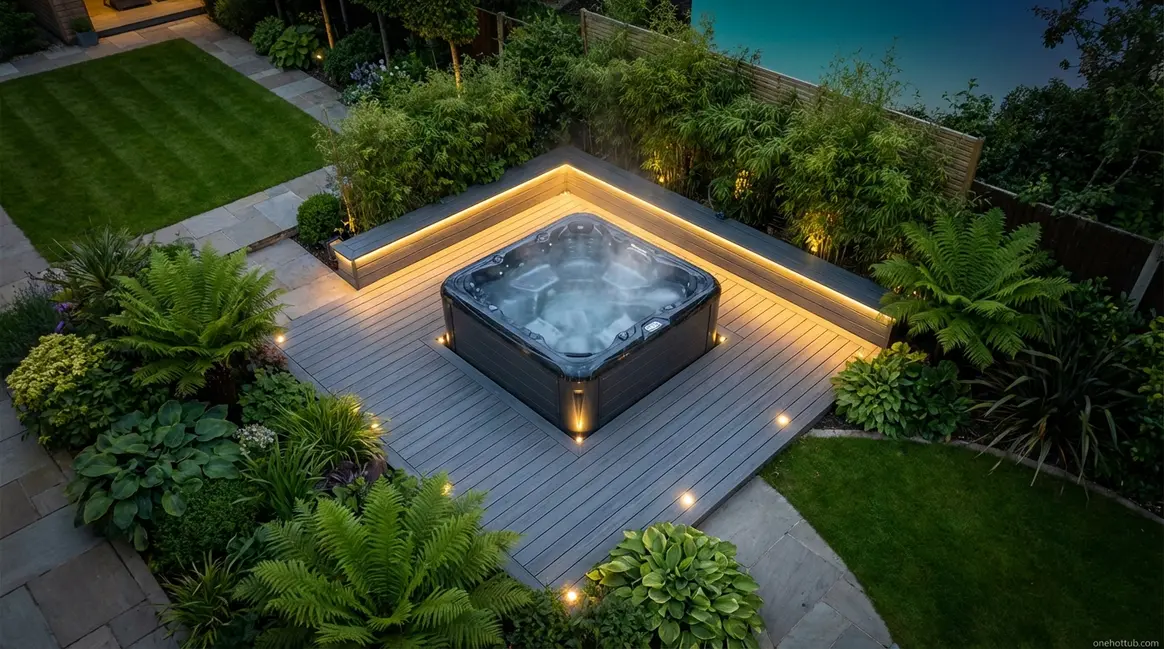
Aesthetically, a well-designed spa installation elevates the entire backyard. Strategic landscaping around the unit, appropriate decking or patio materials, and complementary lighting create an inviting atmosphere that makes the outdoor space feel intentional and complete. Many homeowners find themselves investing in additional garden improvements once their hot tub is installed, viewing it as the catalyst for a broader backyard transformation.
Wellness and Hydrotherapy Advantages
The therapeutic benefits of hot water immersion and jet massage are well-documented and deeply valued by regular users. Warm water raises body temperature, dilating blood vessels and improving circulation throughout the body. This increased blood flow delivers more oxygen and nutrients to tired muscles while helping flush metabolic waste that contributes to soreness.
Hydrotherapy jets target specific muscle groups with pressurized water streams, providing massage-like relief for tension and discomfort. Many garden hot tub owners report significant improvements in chronic conditions including lower back pain, arthritis stiffness, and fibromyalgia symptoms. The buoyancy of water reduces pressure on joints, making spa time particularly beneficial for those recovering from injuries or managing mobility challenges.
Sleep quality frequently improves among regular hot tub users. Soaking for 15 to 20 minutes before bed raises core body temperature, and the subsequent cooling triggers natural drowsiness. Researchers have found that this temperature regulation can help people fall asleep faster and experience deeper, more restorative sleep cycles. For anyone struggling with insomnia or restless nights, an evening spa routine offers drug-free relief.
Mental health benefits deserve equal attention. The combination of warm water, gentle massage, and outdoor setting creates powerful stress reduction. Cortisol levels drop during and after soaking sessions, while the production of endorphins increases. Many owners describe their garden hot tub as their primary stress management tool, a dedicated space where work pressures and daily anxieties melt away with the rising steam.
Increasing Property Value and Outdoor Appeal
Real estate professionals consistently note that well-maintained outdoor living features attract buyer interest and can positively influence property valuations. A garden hot tub, when properly installed and integrated into the landscape, signals to potential buyers that the home offers lifestyle amenities beyond basic shelter.
The key phrase is “well-maintained and properly installed.” A neglected spa with cloudy water and dated equipment can actually detract from property appeal. However, a clean, modern unit positioned on an attractive patio with appropriate privacy screening and landscaping contributes to the overall impression of a move-in-ready home with outdoor entertainment potential.
Market research suggests that quality outdoor features can return 50 to 80 percent of their cost in added home value, with higher percentages in regions where outdoor living is culturally emphasized. In states like California, Arizona, Texas, and Florida, garden hot tubs are practically expected in higher-end homes. Even in cooler northern climates, the appeal of year-round hydrotherapy resonates with many buyers.
Beyond resale considerations, the daily value you extract from your investment matters most. A garden hot tub used several times weekly delivers far more return on investment than one that sits empty. Choosing a model that fits your lifestyle, budget, and maintenance preferences ensures you’ll actually use and enjoy your spa rather than viewing it as a chore.
Top 10 Garden Hot Tubs (Editor’s Picks for 2026)
Product recommendations and detailed specifications will be added following hands-on testing and updated market research for the 2026 model year. Check back for our curated selection of the best garden hot tubs across various price points and feature sets.
- ✅【Galvanized Steel Double Roof】 Experience superior airflow with our 10×12 hardtop gazebo, designed to keep the air fresh and refreshing. The galvanized steel construction offers remarkable durability and corrosion resistance, ensuring your gazebo stands the test of time. Plus, the double roof provides excellent UV protection, safeguarding you from harmful rays while you relax outdoors.
- ✅【5-year Coverage】 Enjoy peace of mind with our 10×12 hardtop gazebo, backed by our comprehensive 5-year Coverage Services. Additionally, our 24/7 Online Customer Services are always available to assist you, providing expert support and quick solutions whenever you need them. Invest in quality and reliability, knowing you’re covered every step of the way.
- ✅【Sturdy Aluminium Frame】 The 10×12 hard top gazebo features a robust aluminum frame weighing 257.5 lbs, ensuring stability in various weather conditions. Designed with 4 anchor bases and triangular braces, it withstands wind speeds of 47-54 mph when using ground stakes and retracting netting and curtains. This structure enhances stability, allowing you to enjoy your outdoor space without worry. Ideal for family gatherings or relaxation, this gazebo offers a safe and reliable haven.
- ✅【Flame-Retardant Curtains】 Enhance your outdoor experience with the 10×12 metal gazebo’s premium 160g/m² polyester CPAI-84 flame-retardant curtains. These curtains not only ensure safety by meeting flame-retardant standards but also effectively block 90% of harmful UV rays, providing a cool and protected environment. Coupled with 35g/m² netting, you can enjoy a bug-free, comfortable space perfect for relaxation or gatherings.
- ✅【Easy to Assemble】 Enjoy hassle-free setup with the 10×12 patio gazebo, designed for easy assembly by 2-4 people in just 2-4 hours. Benefit from detailed installation videos and an illustrated manual that guide you every step of the way. Once assembled, the spacious 120 square feet area comfortably accommodates 8-12 people, making it perfect for gatherings and outdoor relaxation.
- ✅【Galvanized Steel Double Roof】 Experience superior airflow with our 10×12 hardtop gazebo, designed to keep the air fresh and refreshing. The galvanized steel construction offers remarkable durability and corrosion resistance, ensuring your gazebo stands the test of time. Plus, the double roof provides excellent UV protection, safeguarding you from harmful rays while you relax outdoors.
- ✅【5-year Coverage】 Enjoy peace of mind with our 10×12 hardtop gazebo, backed by our comprehensive 5-year Coverage Services. Additionally, our 24/7 Online Customer Services are always available to assist you, providing expert support and quick solutions whenever you need them. Invest in quality and reliability, knowing you’re covered every step of the way.
- ✅【Sturdy Aluminium Frame】 The 10×12 hard top gazebo features a robust aluminum frame weighing 257.5 lbs, ensuring stability in various weather conditions. Designed with 4 anchor bases and triangular braces, it withstands wind speeds of 47-54 mph when using ground stakes and retracting netting and curtains. This structure enhances stability, allowing you to enjoy your outdoor space without worry. Ideal for family gatherings or relaxation, this gazebo offers a safe and reliable haven.
- ✅【Flame-Retardant Curtains】 Enhance your outdoor experience with the 10×12 metal gazebo’s premium 160g/m² polyester CPAI-84 flame-retardant curtains. These curtains not only ensure safety by meeting flame-retardant standards but also effectively block 90% of harmful UV rays, providing a cool and protected environment. Coupled with 35g/m² netting, you can enjoy a bug-free, comfortable space perfect for relaxation or gatherings.
- ✅【Easy to Assemble】 Enjoy hassle-free setup with the 10×12 patio gazebo, designed for easy assembly by 2-4 people in just 2-4 hours. Benefit from detailed installation videos and an illustrated manual that guide you every step of the way. Once assembled, the spacious 120 square feet area comfortably accommodates 8-12 people, making it perfect for gatherings and outdoor relaxation.
- Upgrade Yarn-dyed Curtain: Made with advanced techniques and flame-resistant properties, our upgraded fabric offers strong fade resistance for at least 2 years and stays intact even after a month in extreme conditions.
- 4.7″ Reinforced Aluminum Frame: Our heavy-duty, reinforced aluminum construction features 4.7-inch wide posts that are 20% wider and use 60% more material than average for superior stability.
- Built-in Professional Drainage System: Engineered to efficiently channel rainwater from the heavy-duty steel roof directly through the support poles to the ground, preventing water pooling and perimeter spills for reliable year-round use.
- Reinforced Double Steel Roof: The heavy-duty galvanized steel roof resists all weather, supports 3000 lbs of snow load, and enhances overall ventilation.
- Heavy Duty 260 GSM Netting: Our high-tensile 260 GSM netting provides five times the strength of the market average and maintains stability in 10 mph winds.
- 10X10 HARDTOP GAZEBO: Designed with a tinted, hardtop roof, this gazebo allows you to lounge comfortably without the sun beaming in from above
- PLENTY OF ROOM FOR FURNITURE: Comfortably fits a full outdoor dining set or wicker sofa set, giving you the flexibility to personalize the style and functionality of your patio area
- ZIPPERED BUG NET & CURTAIN: Separate netting and rain-resistant curtains can each be strapped back to enjoy a beautiful day or zipped shut to protect you from rain, wind gusts, and more
- HEAVY-DUTY ALUMINUM FRAME: The sturdy frame can be held down with 12 included stakes (3 per base) and is treated to maintain a clean appearance for years to come
- STYLISH AND FUNCTIONAL: Make your backyard into the perfect spot for outdoor gatherings and enjoy meals and drinks under the shade of this gazebo!; OVERALL DIMENSIONS: 114.5″(L) x 112.75″(W) x 101.5″(H); Items contained in 2 separate boxes. Transportation times may vary per box.
- Upgrade Yarn-dyed Curtain: Made with advanced techniques and flame-resistant properties, our upgraded fabric offers strong fade resistance for at least 2 years and stays intact even after a month in extreme conditions.
- 4.7″ Reinforced Aluminum Frame: Our heavy-duty, reinforced aluminum construction features 4.7-inch wide posts that are 20% wider and use 60% more material than average for superior stability.
- Built-in Professional Drainage System: Engineered to efficiently channel rainwater from the heavy-duty steel roof directly through the support poles to the ground, preventing water pooling and perimeter spills for reliable year-round use.
- Reinforced Double Steel Roof: The heavy-duty galvanized steel roof resists all weather, supports 3000 lbs of snow load, and enhances overall ventilation.
- Heavy Duty 260 GSM Netting: Our high-tensile 260 GSM netting provides five times the strength of the market average and maintains stability in 10 mph winds.
- 【Galvanized Steel Top】 Designed with galvanized steel single roof, the metal gazebo is durable and sturdy enough to withstand bad conditions such as heavy snow, rain and more compared with soft tops. It is able to block most harmful UV rays and prevent water from leaking. Moreover, the structure of the roof is not easy to accumulate rainwater, which prevent the rainwater gathering problems.
- 【Sturdy Aluminum Construction】The frame is wrapped in an environmentally friendly Interpon AkzoNobel powder coat, which resists scratches, peeling, corrosion, and rust, ensuring long-lasting performance. The triangular structure guarantees unwavering stability and longevity. Expansion screws are included for added convenience.
- 【Spacious Interior】With dimensions of 10 feet L x 10 feet W x 9.58 feet H, this pergola provides ample space for seating arrangements. Gather comfortably with friends and family, ensuring everyone has room to move freely without feeling cramped. It is perfect for accommodating 6-8 individuals for various activities.
- 【Versatile Curtains & Netting】Crafted from 180g polyester, the curtains offer privacy and warmth on chilly days. For open-air enjoyment, our 40g zippered netting design ensures excellent airflow while effectively keeping mosquitoes at bay. Top hooks allow you to hang fans or other decorations, adding a personal touch to your space.
- 【Effortless Installation & Exceptional Support】All necessary hardware and numbered parts are included for straightforward assembly. Detailed, illustrated instructions guide you through the process, ensuring a smooth setup. Our excellent after-sales service provides support whenever needed.
- POLYCARBONATE ROOF- : Our 10 x12ft hardtop gazebo made of Strong powder coated aluminum frame is weather-resistant and prevents fade, rust, and corrosion; the feet contain holes and ground stakes for additional stability.
- DOUBLE LAYER MESH SIDEWALL: The hardtop gazebo comes with a double-track system for easy sliding. Removable curtains ensure UV and rain protection, while the equipped mesh curtain with zipper keeps good ventilation. Let you enjoy great privacy while having full airflow and a wide view of the outdoors.
- EASY ASEMBLY: Detailed installation videos and manual included; 2-5 people are recommended to finish assembly in 4-6 hours; The hard top gazebos on clearance package contains 2 boxes, the outer box may arrive in different time periods in your patience, thanks.
- DURABLE POLYCARBONATE TOP: This all season hardtop gazebo 10×12 made of polycarbonate roof protects against bad weather during outdoor activities; the heat insulation layer blocks 99% of harmful UV rays and reduces heat and strong light; Sleek roof slope design also prevents rain from gathering.
- SPACIOUS ROOM: The fully assembled pergola measures 12′ L X 10′ W x 9.1′ H and spacious enough to accommodate 6 to 8 people for your party. This hard top gazebo is perfect for an outdoor barbecue, sunbathing, meeting guests, or daily relaxation. It can also be set up as an outdoor parlor, or even a parking shed.
- [Hybrid Pavilion + Pergola Design] This 10’x20′ hybrid designed pavilion-pergola combines the elegance of a pavilion with the airy openness of a pergola. Perfect for outdoor relaxation, this structure provides a spacious setting, ideal for hot tubs, patio seating, dining spaces or any occasions.
- [Adjustable Shade Fabric with Magnetic Locking Design] Featuring dual adjustable shade fabrics, this gazebo allows you to control sunlight and shade with ease. Each fabric shade has a magnetic locking mechanism that holds it securely in place when closed, offering full or partial coverage as desired.
- [Durable Hardtop Roof] Designed with a robust hardtop roof, this gazebo offers long-lasting durability, effectively shielding you and your guests from the elements. The romantic wood-looking finish of the structure blends effortlessly into any outdoor setting.
- [Privacy Curtains for Added Comfort] Included privacy curtains allow you to create a secluded, comfortable retreat. Close the curtains for extra shade and privacy, or leave them open for a breezy, inviting atmosphere.
- [Perfect for Hot Tubs and Outdoor Lounging] For hot tub lovers, this 10’x20′ hybrid pavilion/gazebo and pergola is perfect for creating a luxurious, spa-like experience right in your backyard. The spacious design comfortably accommodates seating areas, making it ideal for relaxation and entertainment, the included four-sided privacy curtains adds extra privacy for your relaxing moment.
- High-quality Hardtop Gazebo: Built with a sturdy powder-coated aluminum frame and a polycarbonate or galvanized steel roof, this gazebo resists rust, fading, and harsh weather for year-round outdoor use.
- Double-Layer Sidewalls: Features dual-track removable curtains and zippered mesh panels, offering UV and rain protection, privacy, and excellent ventilation for comfortable gatherings.
- Spacious Shelter: Available in 10x12ft or 10x13ft, accommodates 6-8 people—ideal for backyard parties, barbecues, daily relaxation, or as a patio lounge or parking cover.
- Easy Assembly & Delivery: Includes detailed instructions and video guides; recommended for 2-5 people, with two-package shipping for convenience.
- Versatile Outdoor Living: Modern sloped roof design prevents water accumulation, while integrated hooks allow for lighting or fan installation, letting you customize your perfect outdoor retreat.
- 🏛️ Built to Endure, Designed to Last: Crafted with a robust steel hardtop and a solid cedar wood frame, this gazebo stands strong against sun, rain, and wind. It’s your permanent retreat for year-round enjoyment, from sunny afternoons to cozy, sheltered evenings.
- 🥂 Your Outdoor Kitchen & Bar, Elevated: Host effortlessly with two spacious built-in bar shelves. Perfect for arranging BBQ tools, marinated favorites, and refreshing drinks—everything is within reach, making you the master of every garden party and family gathering.
- 🔌 Power Where You Need It: The integrated PowerPort keeps your electric smoker humming and your grill lights glowing. Charge a speaker for ambiance or your phone to capture the moment—seamlessly blend modern convenience with the joy of open-air cooking in your ultimate BBQ gazebo.
- 🌬️ Wind & Snow Resistant: Engineered for all-season reliability, this gazebo features a robust steel roof and a sturdy frame that stand firm against harsh weather. The slanted roof design promotes rapid snowmelt drainage, creating a secure and cozy shelter for you to enjoy, rain or shine, without a worry.
- ☀️ High-efficiency Sun Protection: The 99.9% UV-blocking roof creates a large, cool shade for lazy daybeds and long lunch tables. Let kids and pets play freely, and enjoy the sunshine safely all day long.
Why We Ranked These Models as the Best in Class
Selecting top garden hot tubs requires balancing multiple factors that influence both immediate satisfaction and long-term ownership experience. Our evaluation process considers real-world performance, not just manufacturer claims, drawing from verified owner feedback, industry expert opinions, and direct product testing when possible.
The best garden hot tubs share certain characteristics regardless of price point. They deliver consistent heating, reliable jet performance, comfortable seating, and reasonable energy consumption. They come from manufacturers with established track records and responsive customer service departments. Most importantly, they meet buyers’ expectations for their specific use cases, whether that means accommodating large family gatherings or providing intimate two-person relaxation.
Evaluation Criteria for Quality and Longevity

Durability forms the foundation of any worthwhile hot tub investment. Quality shell construction, whether acrylic or rotomolded polyethylene, determines how well the unit resists cracking, fading, and surface degradation over years of use. We examine shell thickness, PVC resistance ratings, and reinforcement methods that prevent flexing and stress fractures.
Plumbing and jet components receive close scrutiny because failures in these systems cause the most common owner frustrations. High-quality hot tubs use Schedule 40 PVC plumbing, stainless steel jet internals, and reliable gaskets that maintain seals through repeated heating and cooling cycles. Brands that cut costs with inferior plumbing materials often create long-term maintenance headaches.
Insulation technology significantly impacts operating costs and heating performance. Full-foam insulation surrounds the shell and plumbing with dense polyurethane, retaining heat effectively but making repairs more difficult. Partial foam or thermal blanket systems allow easier access to components while still providing reasonable efficiency. The best models achieve an optimal balance based on their target price point.
Pump and heater specifications determine how quickly your spa reaches the desired temperature and how effectively jets deliver hydrotherapy. We evaluate flow rates, horsepower ratings, heating element wattage, and the relationship between these components and the tub’s water volume. Undersized equipment struggles to maintain temperature in larger spas, while oversized pumps may create unnecessarily high energy consumption.
Balancing Performance with Price Point
Value exists at every price level when expectations align with reality. A well-designed $3,000 rotomolded hot tub can deliver excellent satisfaction if the buyer understands what that investment provides compared to a $12,000 acrylic model.
Entry-level garden hot tubs typically offer adequate heating, basic jet configurations, and simplified controls. They serve buyers who want occasional Hydrotherapy without premium features or those testing whether hot tub ownership fits their lifestyle before committing to a larger investment. These models often use plug-and-play 110V electrical systems that simplify installation but limit heating speed and jet power.
Mid-range options between $5,000 and $9,000 represent the sweet spot for many families. These spas generally feature acrylic shells, more sophisticated jet layouts, improved insulation, and often include amenities like LED lighting and waterfalls. They typically require 220V electrical service, delivering faster heating and more powerful hydrotherapy.
Premium luxury spas above $10,000 incorporate advanced technologies, superior materials, and extensive customization options. Features might include touchscreen controls, WiFi connectivity, sound systems, programmable jet zones, and therapeutic specialty jets. These models target buyers who prioritize the spa experience and plan to use their hot tub as a central lifestyle feature rather than an occasional luxury.
The Importance of Brand Reputation and Customer Support
Manufacturer reliability matters enormously in the hot tub industry. Unlike many consumer products that can be easily returned or replaced, a garden hot tub represents a significant installation commitment. Dealing with a responsive company when issues arise transforms potential frustrations into manageable situations.
Established brands like Sundance, Hot Spring, Jacuzzi, Caldera, and Bullfrog have dealer networks providing local service and warranty support. Smaller manufacturers may offer competitive pricing but lack accessible repair technicians in certain regions. Before purchasing, verify that authorized service providers operate within reasonable distance of your home.
Warranty terms reveal manufacturer confidence in their products. Quality hot tubs typically carry shell warranties of five years or more, with coverage on plumbing, electrical components, and labor varying by manufacturer. Read warranty documents carefully, noting what circumstances void coverage and whether transferability exists for future property sales.
Online owner communities provide invaluable insight into real-world brand experiences. Forums and social media groups dedicated to hot tub ownership contain thousands of discussions about specific models, common problems, and manufacturer responsiveness. Spending time in these communities before purchasing helps identify patterns that might not appear in professional reviews.
Complete Buying Guide: Factors to Consider Before You Buy
Purchasing a garden hot tub involves more decisions than simply choosing an attractive model within budget. Thoughtful consideration of size, materials, electrical requirements, and features ensures your investment delivers lasting satisfaction. Rushing this process often leads to regrets that become apparent only after installation.
Determining the Right Size and Seating Capacity

Manufacturer seating capacity numbers require skeptical interpretation. A spa advertised as a “seven-person” model might technically accommodate seven adults, but not comfortably for extended soaking sessions. Practical capacity usually runs two to three people fewer than the stated maximum for genuinely relaxed use.
Consider your realistic usage patterns rather than occasional maximum scenarios. If your household includes two adults who will use the spa together most evenings, a four-person model provides ample room while minimizing heating costs and chemical requirements. The same couple might want a six-person spa if they frequently entertain or have teenagers who bring friends over.
Lounger seats, those full-length reclined positions featured in many models, divide opinion among owners. Some people love the immersive experience of lying back with jets along their entire body. Others find loungers occupy excessive space and prefer conventional upright seating that allows easier conversation with fellow bathers. If considering a lounger model, test one in person before committing.
Assessing Space Availability in Your Garden
Physical dimensions matter beyond the spa itself. You’ll need clearance around the unit for maintenance access, typically 24 to 36 inches on the equipment side and at least 18 inches on remaining sides. Cover removal requires additional space, particularly for manual lifting or cover lifter arms.
Weight considerations often surprise first-time buyers. A filled mid-sized garden hot tub with occupants can exceed 4,000 pounds concentrated on a relatively small footprint. Your installation surface must support this weight without settling, shifting, or cracking. Consult a structural engineer if planning deck installation rather than ground-level placement.
Visualize the spa in your intended location using measurements and temporary markers. Consider sightlines from inside your home, from neighboring properties, and from any outdoor seating areas. Think about the path you’ll walk from your house to the spa, especially on cold evenings when you want minimal exposure before entering the water.
Accommodating Family and Guests
Growing families should anticipate future needs when sizing their garden hot tub. Children currently uninterested in spa time often become enthusiastic users as teenagers. A model that feels spacious for two adults and two young children may feel cramped when those children grow to adult size and bring friends.
Guest entertainment potential influences sizing decisions differently depending on your social patterns. If hosting backyard gatherings regularly, an eight-person spa creates a natural social focal point. If your entertaining style leans toward intimate dinner parties rather than large groups, the additional capacity becomes wasted space with higher operating costs.
Jet positioning deserves attention relative to different body sizes. Families with significant height variations should test models to ensure jets align appropriately for all users. What provides perfect lower back coverage for a six-foot adult might completely miss the same area on someone five feet tall.
Shell Materials and Cabinet Durability

The materials comprising your garden hot tub’s shell and exterior cabinet determine its appearance, longevity, and maintenance requirements over the ownership period. Understanding the differences between common construction types helps match expectations to investment levels.
Acrylic vs. Rotomolded Plastic
Acrylic shells dominate the mid-range and premium hot tub market, offering durability, aesthetic appeal, and comfortable seating surfaces. These shells begin as flat acrylic sheets vacuum-formed into shape, then reinforced with fiberglass backing for structural integrity. Quality acrylic resists fading, scratching, and chemical damage while providing a smooth, easy-to-clean interior surface.
The visual appeal of acrylic allows for varied colors and patterns, including metallic flakes and marble effects that create luxurious aesthetics. Surface repairs on acrylic shells, while sometimes necessary after years of use, can be completed by professionals to restore the original appearance.
Rotomolded polyethylene construction creates shells from a single piece of molded plastic, eliminating seam failures that occasionally affect acrylic units. These one-piece shells offer excellent durability and often carry lifetime warranties against structural failure. However, the manufacturing process limits color options and creates a less premium visual appearance.
The trade-offs favor rotomolded models for budget-conscious buyers prioritizing reliability over aesthetics, and acrylic for those willing to invest more for premium appearance and feel. Both materials, when properly maintained, deliver many years of service.
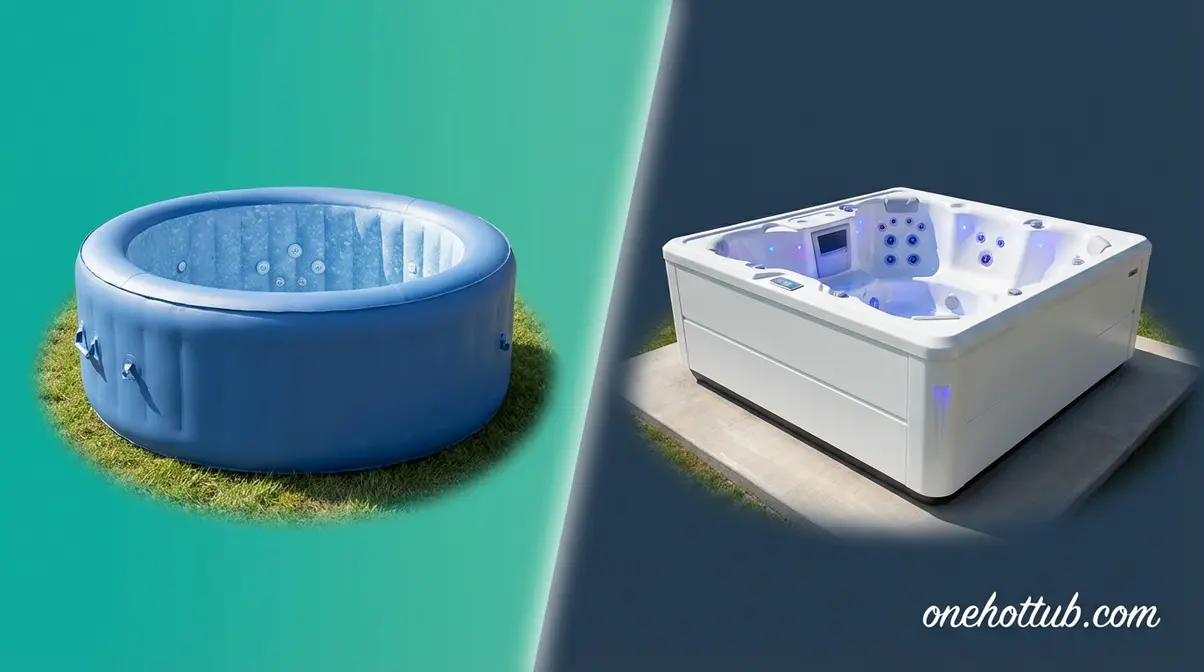
Inflatable Options for Flexibility
Inflatable garden hot tubs serve specific needs that permanent installations cannot address. Renters, those uncertain about long-term hot tub commitment, and people with limited budgets find these portable options attractive.
Modern inflatable spas have improved significantly from early models. Quality units feature reinforced vinyl construction, adequate heating systems, and bubble massage functions that provide reasonable relaxation. Top brands like Intex, Bestway, and Coleman offer models priced between $400 and $900 that provide genuine enjoyment.
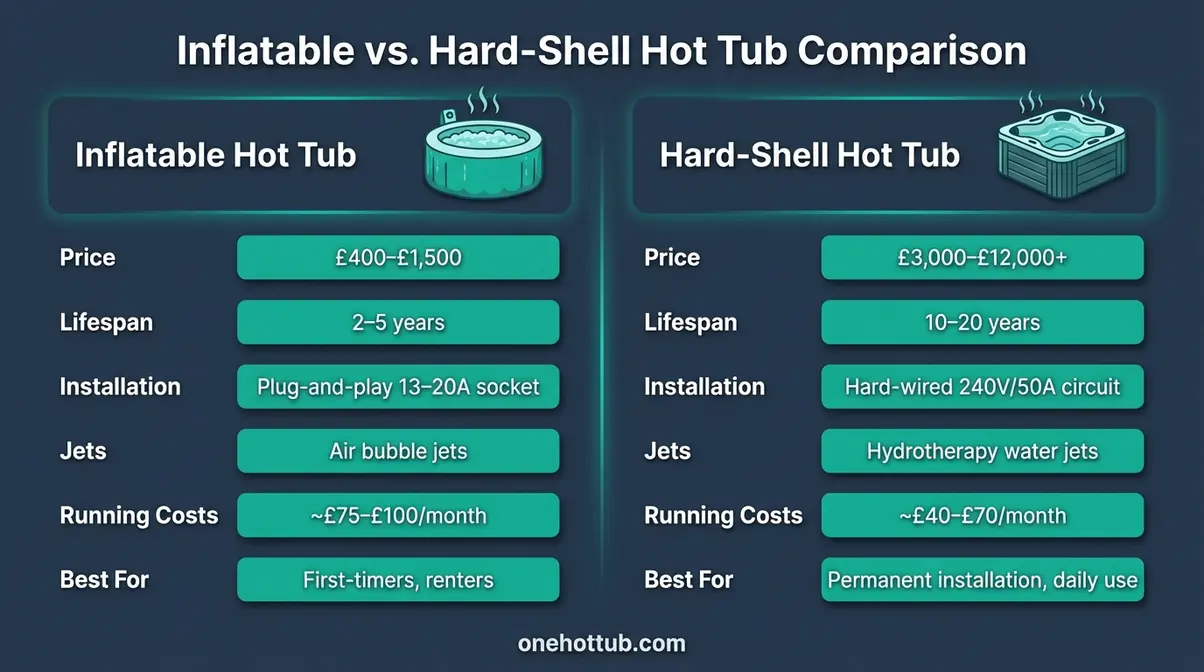
Limitations exist that informed buyers should acknowledge. Inflatable spas lack the powerful hydrotherapy jets of permanent models, offering only air bubbles for massage effect. Heating takes longer and maintaining temperature in cool weather proves challenging due to minimal insulation. Seating positions lack the ergonomic contouring of molded shells.
Durability concerns warrant realistic expectations. Inflatable hot tubs typically last two to four years with careful use before developing leaks or component failures. They’re designed as affordable, temporary solutions rather than decade-long investments.
Understanding Voltage: Plug-and-Play vs. Hardwired 220V
Electrical system selection significantly impacts installation complexity, operating costs, and spa performance. This decision often comes down to balancing convenience against capability.
Pros and Cons of 110V Plug-and-Play Models
Plug-and-play garden hot tubs operate on standard 110V household current, connecting to any grounded outdoor outlet meeting electrical code requirements. This simplicity appeals to buyers wanting immediate use without hiring electricians or pulling permits for new circuits.
Installation convenience carries performance trade-offs. Running heating elements and jet pumps simultaneously typically isn’t possible on 15 or 20-amp household circuits. Most 110V spas automatically reduce or pause heating when jets operate, extending the time needed to reach and maintain target temperatures. In cooler climates, this limitation becomes particularly noticeable.
Heating from cold to operational temperature may take 24 to 48 hours with plug-and-play systems. Once heated, maintaining temperature during moderate weather works adequately, but cold winter conditions can challenge these systems beyond their capabilities.
Energy efficiency actually suffers somewhat with 110V operation. Lower wattage heaters run for extended periods to maintain temperature, potentially consuming more electricity over time than more powerful 220V systems that heat quickly and cycle off.
Benefits of Dedicated 220V Electrical Systems
Hardwired 220V (or 240V) electrical systems require professional installation and typically permit approval. The investment typically runs $300 to $600 for electrician services plus permit fees, varying by region and distance from your main electrical panel.
The performance benefits justify this investment for serious hot tub users. Higher voltage allows simultaneous operation of multiple jet pumps and heating elements, delivering the powerful hydrotherapy that distinguishes premium spas from basic models. Heating times drop dramatically, often reaching target temperature within 8 to 12 hours from cold.
Dedicated circuits eliminate the risk of tripping breakers that protect other household circuits. Many 110V spa owners report frustration with shared circuits that disconnect refrigerators or other appliances when the spa draws power. A properly sized 220V circuit dedicated to your hot tub prevents these issues.
Most mid-range and premium garden hot tubs require 220V service and cannot operate on household current. If you’re considering these models, factor electrical installation costs into your budget from the beginning. For Hot Tub Installation guidance and professional recommendations, resources exist to help plan this essential step.
Jet Configurations and Hydrotherapy Features

Jets provide the active massage therapy that distinguishes hot tubs from simple heated pools. Understanding jet types, placement, and adjustability helps identify spas that match your therapeutic goals.
Rotating jets create circular massage patterns that many users find particularly effective for loosening tight muscles. Directional jets allow adjustment of spray angles to target specific areas. Pulsating jets alternate pressure for varied stimulation. Most quality spas incorporate multiple jet types positioned strategically throughout seating positions.
Jet count alone doesn’t indicate hydrotherapy quality. A spa with 30 properly positioned, well-designed jets may outperform one boasting 60 low-quality jets competing for limited pump pressure. Evaluate jets while the spa operates rather than counting nozzles on a showroom floor.
Pump power determines jet intensity. Spas with multiple pumps can dedicate power to specific seating zones, maintaining strong pressure even when all jets operate simultaneously. Single-pump systems divide flow among all jets, reducing individual intensity as more jets activate.
Zoned jet controls allow independent adjustment of different spa sections. This feature proves valuable when users have varying preferences, allowing one person to enjoy vigorous massage while another relaxes in gentler bubbles.
Energy Efficiency and Insulation Technologies

Operating costs concern every prospective hot tub owner. Monthly electricity expenses vary widely based on climate, usage patterns, temperature settings, and crucially, the spa’s insulation design.
Full-foam insulation fills the entire cabinet cavity surrounding the shell and plumbing with polyurethane foam. This approach maximizes heat retention and minimizes energy loss through the cabinet walls. The dense foam also dampens pump vibration, reducing operational noise. However, repairs requiring plumbing access become more difficult, sometimes necessitating foam removal.
Partial foam systems insulate the shell underside while leaving cabinet space open for easier maintenance access. Thermal blankets or reflective barriers wrap around plumbing to retain heat while maintaining accessibility. This compromise approach suits buyers prioritizing serviceability.
Cabinet insulation matters beyond just shell coverage. Insulated cabinet panels prevent heat loss through exterior walls while protecting internal components from temperature extremes. Look for R-value specifications when comparing insulation effectiveness.
Spa covers provide the primary defense against heat loss, as warm water surface area loses heat rapidly to cooler air. Quality covers feature dense foam cores, vapor barriers preventing moisture absorption, and tight-sealing hinged designs. Replacing worn or waterlogged covers often reduces energy consumption more than any other single maintenance action.
Energy-efficient pumps and heaters have improved significantly in recent years. Variable-speed pumps adjust power consumption based on actual demand rather than running constantly at full capacity. Modern heaters incorporate better elements and thermal controls that minimize wasted electricity.
Comparative Insights: Matching the Tub to Your Lifestyle and Budget
Choosing between different garden hot tub categories involves matching your priorities to product capabilities. No single type suits everyone, but understanding the trade-offs helps identify the best fit for your specific situation.
Inflatable Spas vs. Permanent Acrylic Models

The gap between inflatable and permanent hot tubs extends beyond price tags. These products serve different purposes and deliver fundamentally different experiences.
Durability Differences
Acrylic hot tubs with proper maintenance routinely last 15 to 25 years before requiring replacement. Components fail and need repair during this period, but the shell itself remains structurally sound and visually acceptable for decades. This longevity amortizes the higher purchase price across many years of enjoyment.
Inflatable spas typically require replacement within two to five years even with careful use. UV exposure degrades vinyl over time, punctures accumulate despite preventive efforts, and pump components wear without cost-effective repair options. Budget-conscious buyers should factor replacement costs into long-term calculations.
Jet quality represents the most significant functional difference. Acrylic spas feature powerful hydrotherapy jets that rotate, pulse, and deliver targeted massage. Inflatable models offer only air bubbles rising through the water, pleasant but lacking therapeutic impact.
Cost Comparison Over Time
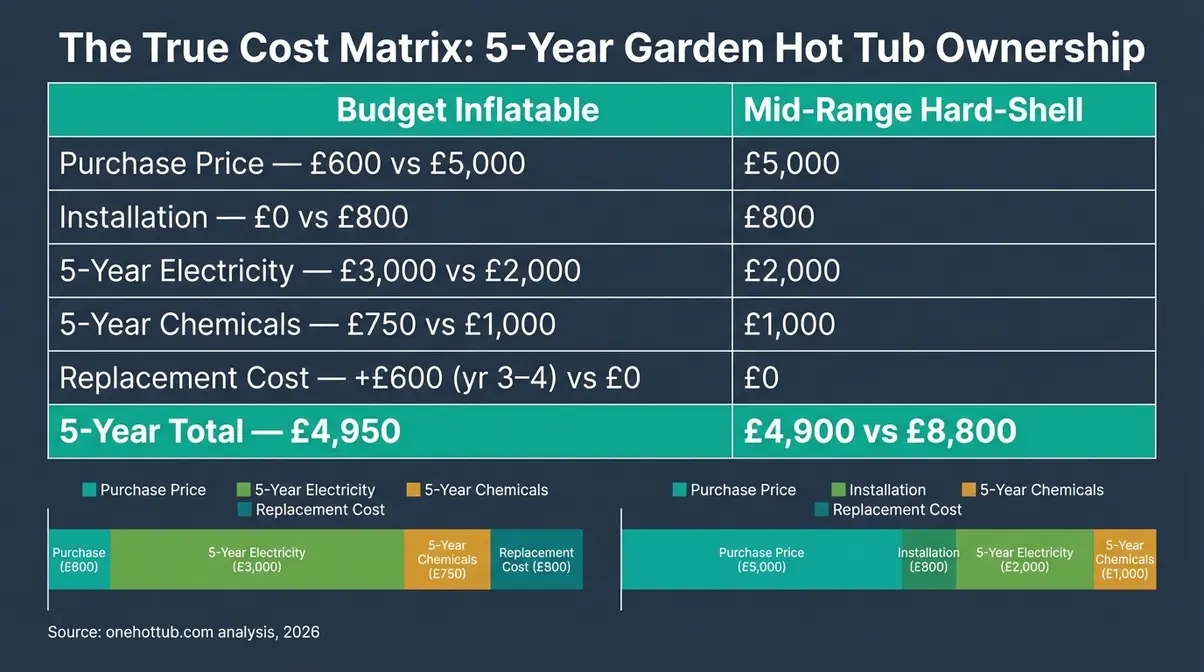
Initial purchase prices favor inflatable spas dramatically. Quality inflatable models cost $500 to $1,000 compared to $4,000 to $15,000 for permanent acrylic alternatives. For buyers uncertain about hot tub commitment, this lower entry point reduces financial risk.
Operating costs actually favor permanent spas despite higher purchase prices. Better insulation, more efficient components, and superior covers reduce monthly electricity consumption significantly. An inflatable spa running $80 monthly in energy costs might cost only $40 monthly for a well-insulated acrylic alternative.
Over a 10-year period, accounting for replacement cycles, energy differences, and maintenance costs, permanent acrylic spas often prove more economical than repeatedly purchasing inflatable alternatives. This calculation shifts based on local electricity rates, climate, and usage frequency.
Entry-Level vs. Premium Luxury Spas
Premium hot tubs command significantly higher prices than entry-level models. Understanding what justifies this price difference helps determine whether luxury features match your priorities.
What You Get for the Extra Money
Construction quality improvements include thicker acrylic shells, denser insulation, more reliable plumbing components, and better-sealed cabinet designs. Premium brands invest in materials and manufacturing processes that reduce failure rates and extend service life.
Ergonomic seating design receives more engineering attention in luxury spas. Seat contours, footwell depth, headrest positioning, and armrest placement create more comfortable extended soaking experiences. These differences become apparent during longer test soaks but may not show in brief showroom visits.
Component quality upgrades include stainless steel jet internals rather than plastic, high-efficiency pumps, digital control systems, and programmable filtration cycles. These improvements enhance daily operation and reduce long-term maintenance requirements.
Features Found in High-End Models
Entertainment integration appears in many premium spas. Bluetooth speakers, LED lighting with color programs, and touchscreen controls create resort-like experiences in home settings. Some models offer WiFi connectivity for smartphone temperature monitoring and adjustment.
Advanced hydrotherapy features distinguish luxury models. Specialty jets targeting specific body areas, adjustable air injection systems, and dedicated foot massage zones provide therapeutic experiences approaching professional spa treatments.
Water care innovations reduce maintenance burden. Self-cleaning cycles, ozone or UV sanitation systems, and simplified chemical monitoring make ownership less demanding. For busy professionals, these conveniences justify premium pricing.
For ongoing maintenance support and product recommendations, resources at One Hot Tub provide helpful guidance for owners at all investment levels.
Choosing Between Salt Water Systems and Chlorine
Water sanitization method selection affects maintenance routines, water feel, and operating costs. Both approaches effectively maintain safe, clean water when properly implemented.
Traditional chlorine or bromine systems require regular chemical additions and testing. Owners add sanitizer directly to water based on test strip readings, typically every few days during active use periods. Costs remain low, around $20 to $40 monthly for chemicals, but the ongoing attention requirement bothers some owners.
Salt water systems generate chlorine automatically from dissolved salt using electrolytic cells. This produces consistent, low-level sanitization without manual chemical additions. Water feels softer on skin, and the characteristic chlorine smell diminishes. However, salt cells require replacement every two to five years at costs ranging from $200 to $600.
Neither system eliminates maintenance entirely. Both require pH balancing, periodic shocking, and filter cleaning. Salt water systems reduce daily chemical handling but introduce different component maintenance requirements.
Some owners develop skin sensitivity to either traditional chlorine or salt-generated chlorine. If you have known sensitivities, test both water types at dealerships or friends’ spas before committing to a sanitization system.
Site Preparation, Installation, and Ongoing Maintenance
Proper preparation prevents problems that might otherwise emerge months or years after installation. Investing time and resources in foundation, electrical, and landscape preparation pays dividends throughout your ownership experience.
Choosing the Best Foundation for Your Garden Spa
Your garden hot tub’s foundation must support significant weight while remaining level and stable through seasonal ground movement. Foundation failures cause structural stress that can crack shells and damage plumbing connections.
Concrete Pads vs. Reinforced Decks
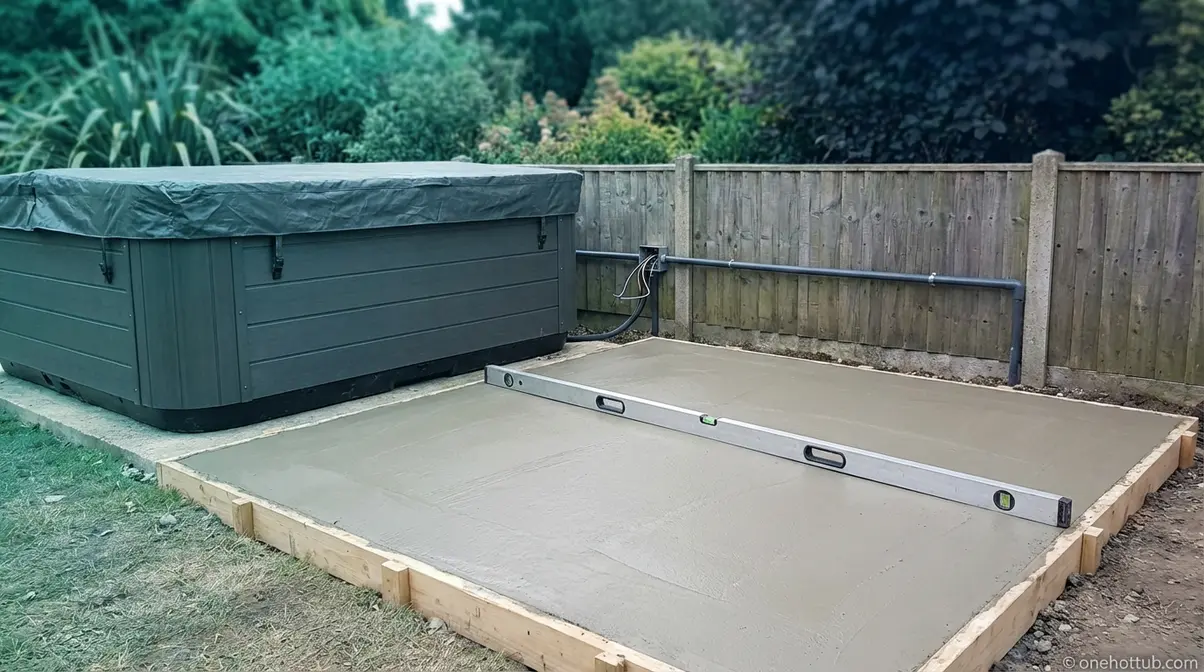
Poured concrete provides the most reliable hot tub foundation. A properly prepared pad, typically four inches thick with reinforcing mesh, distributes weight evenly and resists settling. Concrete costs more than alternative foundations but eliminates concerns about adequacy.
Specifications for hot tub concrete pads should include 3,500 PSI concrete minimum, wire mesh or fiber reinforcement, appropriate drainage slope away from the spa location, and dimensions extending six inches beyond the spa footprint on all sides.
Existing concrete patios may serve adequately if they meet thickness and condition requirements. Have a contractor evaluate existing slabs before assuming suitability, particularly for larger spas with water weight exceeding 5,000 pounds.
Deck installations require structural evaluation by qualified professionals. Standard residential decking often lacks the beam sizing and post spacing necessary for concentrated hot tub loads. Reinforcement typically involves additional posts, doubled joists, and potentially larger beam lumber. Never assume an existing deck can support a filled hot tub without professional verification.
Gravel and Paver Considerations
Compacted gravel provides an economical foundation option when properly prepared. Excavate six to eight inches, install landscape fabric, and compact successive two-inch gravel layers. The finished surface should be perfectly level and extend well beyond the spa footprint.
Gravel foundations work best for smaller, lighter hot tubs. Larger acrylic spas benefit from concrete’s superior stability, though reinforced gravel installations can serve adequately with proper preparation.
Paver installations create attractive surfaces that handle hot tub weight when properly supported. The paver layer alone isn’t sufficient; underlying compacted gravel or sand provides structural support. Polymeric sand between pavers prevents shifting under load.
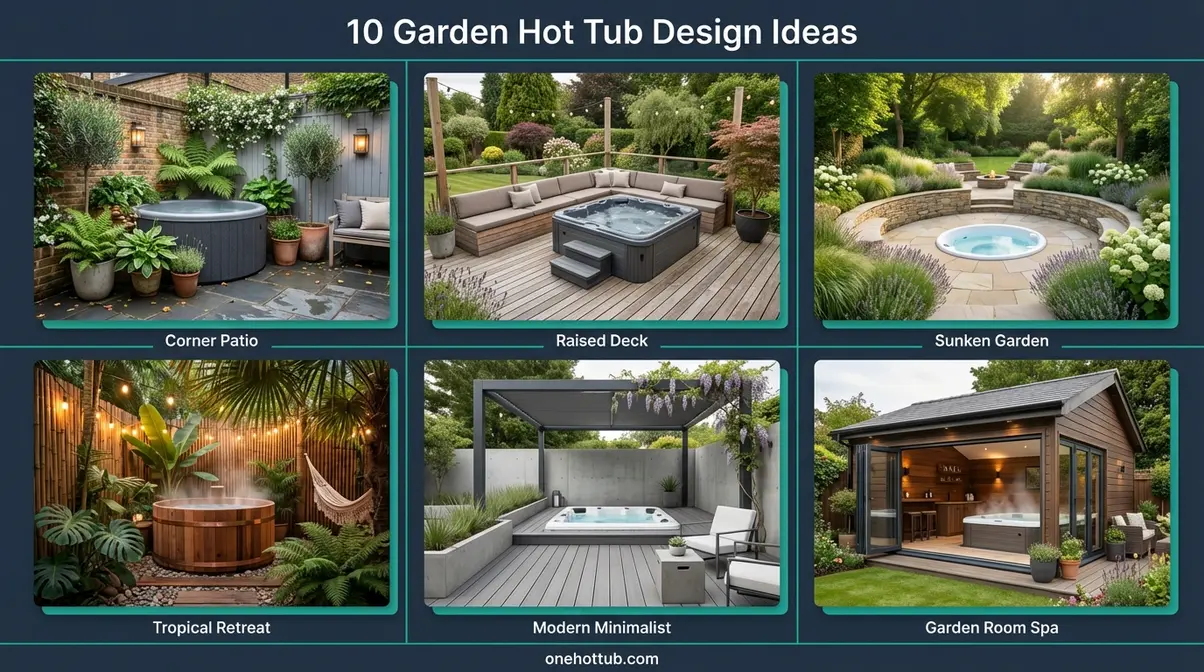
Privacy and Landscaping Integration Ideas
Thoughtful landscaping transforms a hot tub from equipment into a destination. Privacy screening, attractive plantings, and ambient lighting create environments that encourage regular use.
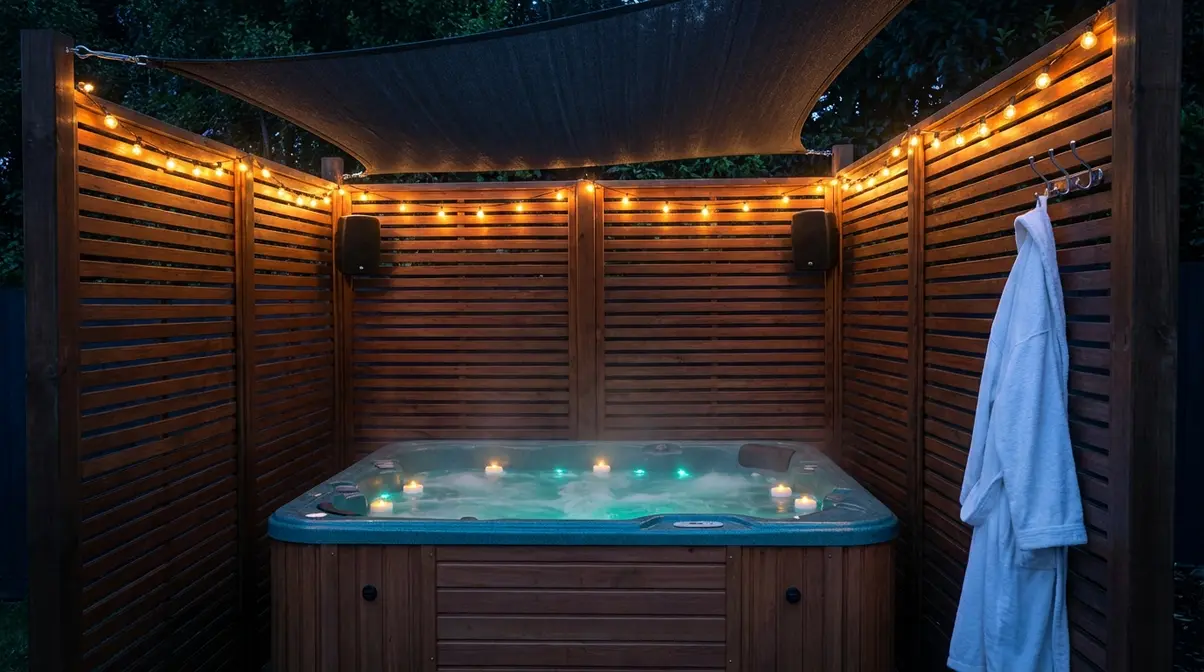
Privacy solutions range from natural to structural. Evergreen hedge plantings provide year-round screening that improves with time. Ornamental grasses create softer boundaries while allowing filtered views. Lattice panels with climbing vines offer relatively quick privacy with visual interest. Solid fence sections provide immediate, complete screening.
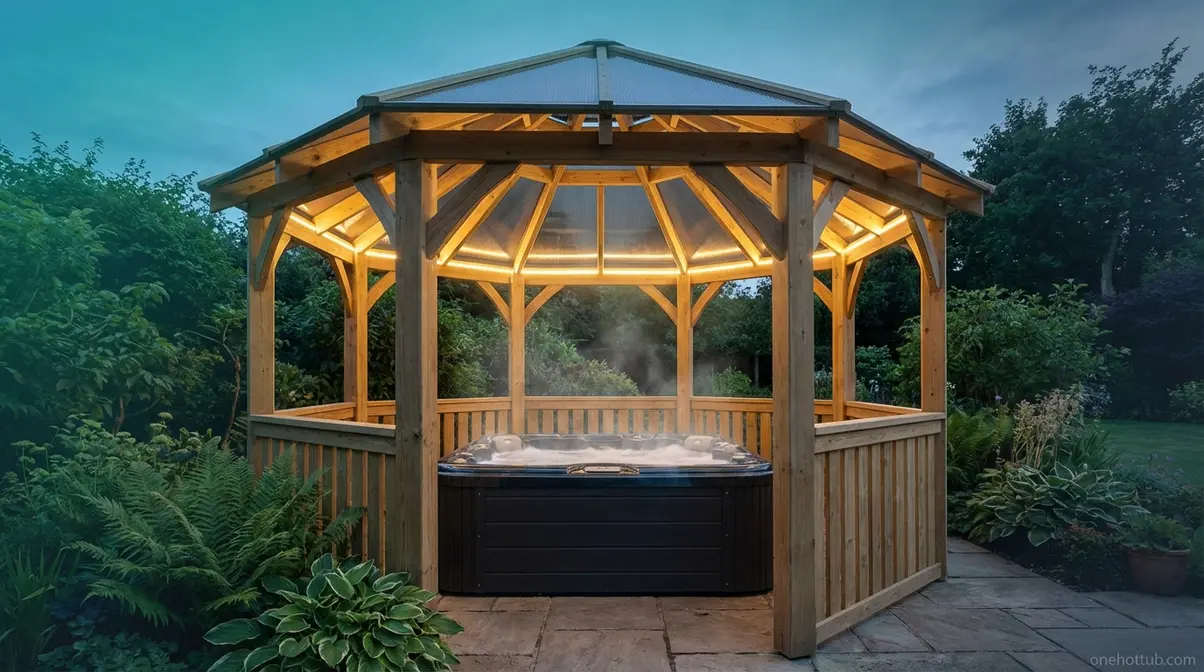
Consider views from neighboring second-story windows that ground-level fencing doesn’t address. Pergolas or shade structures overhead provide privacy from above while adding architectural interest. These structures also support accessories like retractable shades or string lighting.
Plantings near hot tubs should avoid species that drop excessive leaves, seeds, or flowers into the water. Deciduous trees, while beautiful, create maintenance burden during autumn months. Evergreen options with minimal debris reduce cover removal and filter cleaning frequency.
Pathway lighting ensures safe navigation after dark while creating welcoming ambiance. Solar-powered options require no wiring, though performance varies based on sun exposure. Low-voltage LED systems provide reliable illumination with minimal energy consumption.
Essential Water Care and Filtration Tips
Maintaining clean, balanced water ensures enjoyable, safe soaking while protecting equipment from damage. Understanding fundamental water chemistry and establishing consistent routines prevents most common problems.
Understanding Cycles and Chemicals
pH levels between 7.2 and 7.8 create comfortable water that maximizes sanitizer effectiveness. Lower pH causes eye irritation and can corrode metal components. Higher pH reduces chlorine or bromine effectiveness while creating scale deposits. Test pH at least twice weekly and adjust using appropriate pH increase or decrease products.
Alkalinity acts as a pH buffer, preventing rapid fluctuations that complicate water management. Maintain total alkalinity between 80 and 120 ppm for stable, predictable water chemistry. Adjust alkalinity before attempting pH corrections for best results.
Sanitizer levels require regular monitoring and maintenance. Chlorine should remain between 1 and 3 ppm, bromine between 2 and 4 ppm. These levels prevent bacterial growth while avoiding skin irritation or chemical odors associated with excessive concentrations.
Calcium hardness between 150 and 250 ppm protects acrylic shells and equipment from corrosive soft water while preventing scale formation from excessively hard water. Test monthly and adjust as needed based on your source water characteristics.
Shocking, or oxidizing, water weekly removes organic compounds that accumulate from bather use. Non-chlorine shock products work for routine maintenance, while chlorine-based shock addresses more significant contamination. Always shock after heavy use or extended periods without water care.
For reliable Hot Tub Cleaners that simplify maintenance routines, quality products make a noticeable difference in water clarity and surface condition.
Routine Filter Cleaning
Filters capture debris and organic matter that would otherwise cloud water and strain equipment. Neglected filters reduce water flow, decrease heating efficiency, and allow contaminants to accumulate.
Weekly filter rinses with garden hose spray remove surface debris between deeper cleanings. Monthly chemical soaks in filter cleaning solutions dissolve oils and organic buildup that rinsing misses. Annual filter replacement, sometimes more frequently with heavy use, maintains optimal filtration.
Filter quality varies significantly between manufacturers. Premium filters cost more but capture finer particles and resist degradation longer. Keeping spare filters on hand allows rotation during cleaning and ensures filtration continues uninterrupted.
Most garden hot tubs run filtration cycles several times daily, typically two to four hours total. Extending filtration during periods of heavy use or hot weather improves water clarity. Programmable controls allow scheduling filtration during off-peak electricity hours where time-of-use rates apply.
Quality Hot Tub Filters UK and appropriate replacements suited to your specific model ensure optimal performance throughout the filter lifecycle.
Winterizing Your Garden Hot Tub
Many owners continue using their garden hot tubs throughout winter, finding the contrast between cold air and hot water particularly enjoyable. However, those in extremely cold climates or planning extended absences should understand winterization options.
Continued winter operation requires attention to freeze prevention. Running circulation pumps during freezing conditions keeps water moving through pipes that might otherwise freeze. Many spas include freeze protection features that automatically activate pumps when temperatures drop. Verify your model’s freeze protection capabilities before assuming winter operation is safe.
Complete winterization for extended closure involves draining the spa, blowing water from plumbing lines with shop vacuums or compressors, adding antifreeze to any remaining water traps, and protecting the interior from weather and debris. This process takes several hours but prevents freeze damage that might cost thousands to repair.
Partial winterization covers situations where you’ll be away for a few weeks during cold months. Lowering the temperature reduces energy consumption while maintaining enough heat to prevent freezing. Adjusting filtration schedules and adding slightly elevated sanitizer levels maintains water quality during your absence.
Spring startup after winterization involves refilling with fresh water, bringing the spa to temperature, balancing water chemistry, and running jets to flush any residual antifreeze. Plan for a day or two before the spa is ready for use.
Addressing Common User Concerns Regarding Garden Hot Tubs
Prospective owners frequently raise specific concerns that influence purchase decisions. Understanding realistic expectations for energy costs, noise levels, and safety helps set appropriate expectations.
Managing Monthly Energy Costs
Electricity consumption represents the most significant ongoing expense for garden hot tub ownership. Actual costs vary widely based on factors within and beyond owner control.
Climate dramatically influences energy requirements. Spas in mild California climates might cost $20 to $40 monthly while identical units in Minnesota could run $75 to $120 during winter months. Temperature settings make a difference too. Each degree of reduction saves approximately 10 percent on heating costs.
Usage patterns affect consumption meaningfully. Removing the cover for soaking sessions releases heat that must be replaced. Frequent, extended sessions with multiple bathers increase energy demand beyond occasional, brief use. Running jets consumes electricity beyond simple heating and filtration.
Insulation quality creates the largest variance between similar spas. A well-insulated hot tub with a tight-fitting, new cover might cost half as much to operate as a poorly insulated model with a worn, waterlogged cover. Before purchasing, compare insulation specifications carefully. After purchasing, maintain or replace covers before they become saturated.
National average monthly operating costs range from $25 to $75, though outliers in either direction occur based on the factors described. Request energy consumption data from dealers for specific models you’re considering.
Dealing with Noise Levels in Residential Areas
Pump noise concerns many buyers considering spa installation near property lines or bedroom windows. Modern equipment runs quieter than older generations, but complete silence isn’t realistic.
Pump operation generates the most noticeable noise, particularly when jets run at full power. Quality pumps with rubber mounting isolation and sound-dampening covers reduce noise transmission. Full-foam insulation muffles sound that would otherwise radiate through cabinet walls.
Positioning influences perceived noise levels. Placing the equipment side of your spa away from neighboring homes, toward your own property’s open areas, reduces the impact on others. Solid fencing or landscaping between the spa and sensitive areas provides additional sound barriers.
Filtration cycle scheduling puts pumps in operation during less sensitive hours. Programming primary filtration for midday rather than early morning or late evening minimizes disturbance to sleeping neighbors and household members.
Air blower systems, included on some spas for enhanced bubble effects, generate more noise than circulation pumps. If noise sensitivity matters in your situation, consider models with jet-only massage rather than blower-assisted air injection.
Safety Features for Families with Children
Families with young children should prioritize safety features and establish clear usage rules before installation. While garden hot tubs provide wonderful family experiences, they also present drowning and burn hazards requiring appropriate precautions.
Locking covers prevent unsupervised access by young children. These covers secure with key locks or combination mechanisms, preventing children from opening them without adult assistance. Cover locks should be engaged whenever the spa isn’t in active use under adult supervision.
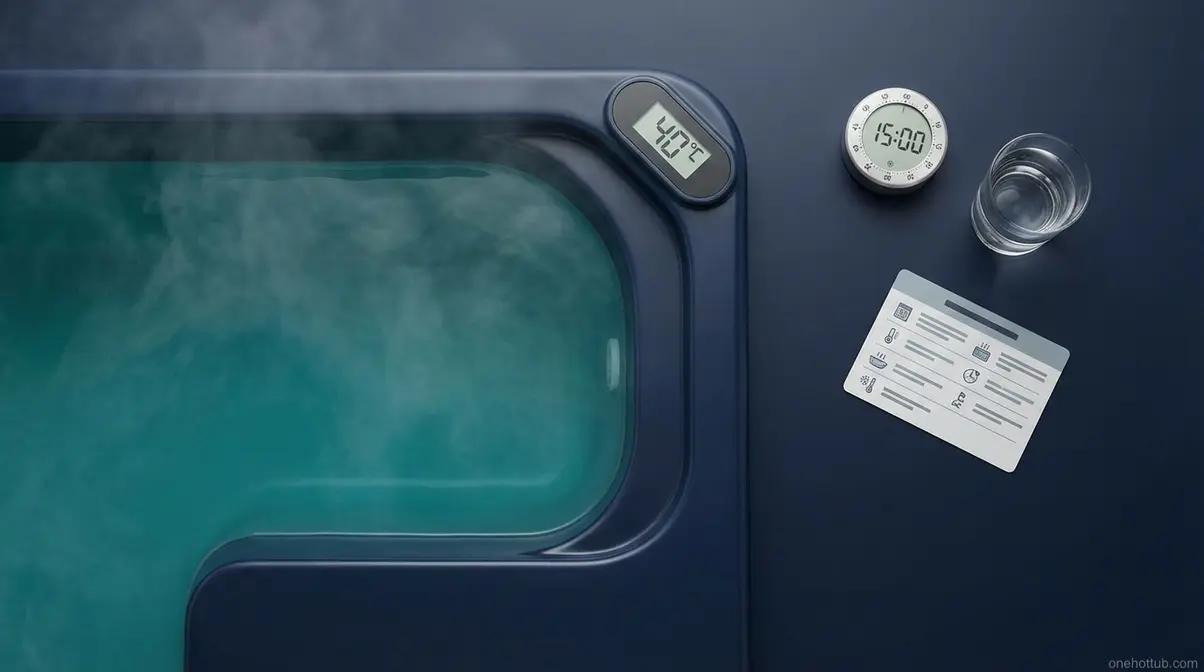
Temperature settings require attention when children use the spa. Adult-comfortable temperatures around 104 degrees Fahrenheit may cause overheating in children more quickly than adults. Lower temperatures to 100 degrees or below when children will be soaking, and limit session duration to 10 to 15 minutes for young users.
GFCI protection, ground fault circuit interrupter outlets, prevents electrocution by immediately cutting power if current leakage occurs. All outdoor electrical installations serving hot tubs should incorporate GFCI protection, a code requirement in most jurisdictions but worth verifying on older installations.
Slip-resistant steps and handrails facilitate safe entry and exit. Wet surfaces become slippery, and the transition between water buoyancy and standing requires stability assistance. Quality step systems include textured surfaces and sturdy railings.
Teaching children appropriate hot tub behavior reduces accident risk. Rules against running, diving, submerging heads, and roughhousing should be clearly established and consistently enforced. Supervision by attentive adults remains essential whenever children use the spa.
Final Thoughts on Upgrading Your Home with a Garden Hot Tub
A garden hot tub represents more than equipment; it becomes part of how you live and connect with those you care about. The decision to invest in one deserves careful consideration of your specific needs, available space, budget constraints, and lifestyle goals.
The ideal spa for your situation exists somewhere in the market, whether that means a flexible inflatable option while you test your commitment, a reliable mid-range acrylic model offering the best value for most families, or a premium luxury spa delivering resort-quality experiences at home.
Take time to visit dealers, test different models while filled and running, and speak with current owners about their experiences. The insights gained through hands-on evaluation and honest conversations prove invaluable in making a decision you’ll feel good about for years to come.
Your backyard holds untapped potential for relaxation, connection, and wellness. A well-chosen garden hot tub transforms that potential into daily reality, creating a space where stress dissolves, conversations deepen, and simple pleasures become routine luxuries.
Frequently Asked Questions About Garden Hot Tubs
How much does it cost to run a garden hot tub per month?
Monthly operating costs typically range from $25 to $75 depending on climate, insulation quality, and usage patterns.
Electricity represents the primary expense, with heating consuming the most energy. Well-insulated spas in mild climates cost less to operate than poorly insulated models in cold regions. Maintaining tight-fitting covers in good condition significantly reduces energy waste. Setting temperatures a few degrees lower than maximum also decreases consumption meaningfully.
Do I need a building permit to install a hot tub in my backyard?
Most jurisdictions require permits for permanenthot tub installations, particularly those involving electrical work.
Permit requirements vary by location, with some areas treating portable spas differently than in-ground installations. The electrical work required for 220V service almost always requires permit and inspection regardless of the spa type. Contact your local
Can I place a hot tub directly on grass or dirt?
Placing a hot tub directly on grass or bare ground is not recommended due to weight, stability, and moisture concerns.
Filled hot tubs weigh thousands of pounds concentrated on small footprints. Grass and soil compress unevenly under this weight, causing the spa to settle and potentially crack from uneven stress. Ground moisture promotes cabinet degradation and creates pest-friendly environments beneath the unit. Proper foundations including concrete pads, compacted gravel, or reinforced decking provide appropriate support.
How long does a typical garden hot tub last?
Quality acrylic hot tubs with proper maintenance typically last 15 to 25 years before requiring replacement.
Longevity depends significantly on construction quality, maintenance consistency, and component repair when issues arise. Pumps, heaters, and control systems may need replacement during this lifespan, but shells remain functional for many years. Inflatable spas have much shorter lifespans, typically two to five years. Investing in quality construction and maintaining water chemistry properly extends service life substantially.
What is the difference between a jacuzzi and a hot tub?
Jacuzzi is a brand name that has become commonly used as a generic term for hot tubs and whirlpool baths.
The Jacuzzi company pioneeredhydrotherapy jets in the 1950s, and their brand became so associated with the product category that many people use the terms interchangeably. Technically, a Jacuzzi is a hot tub manufactured by that specific company, while hot tub refers to any heated spa with jets. Other manufacturers produce excellent products, but the Jacuzzi name remains synonymous with the category in common usage.
How often should I change the water in my garden spa?
Complete water changes should occur every three to four months under typical usage conditions.
Water accumulates dissolved solids, body oils, and treatment chemicals over time that routine maintenance cannot remove. The standard guideline suggests dividing gallons of water by three, then dividing by average daily bathers to estimate days between changes. Heavy use requires more frequent changes. Between complete changes, maintaining proper chemical balance and filtration keeps water safe and clear for enjoyable soaking.